

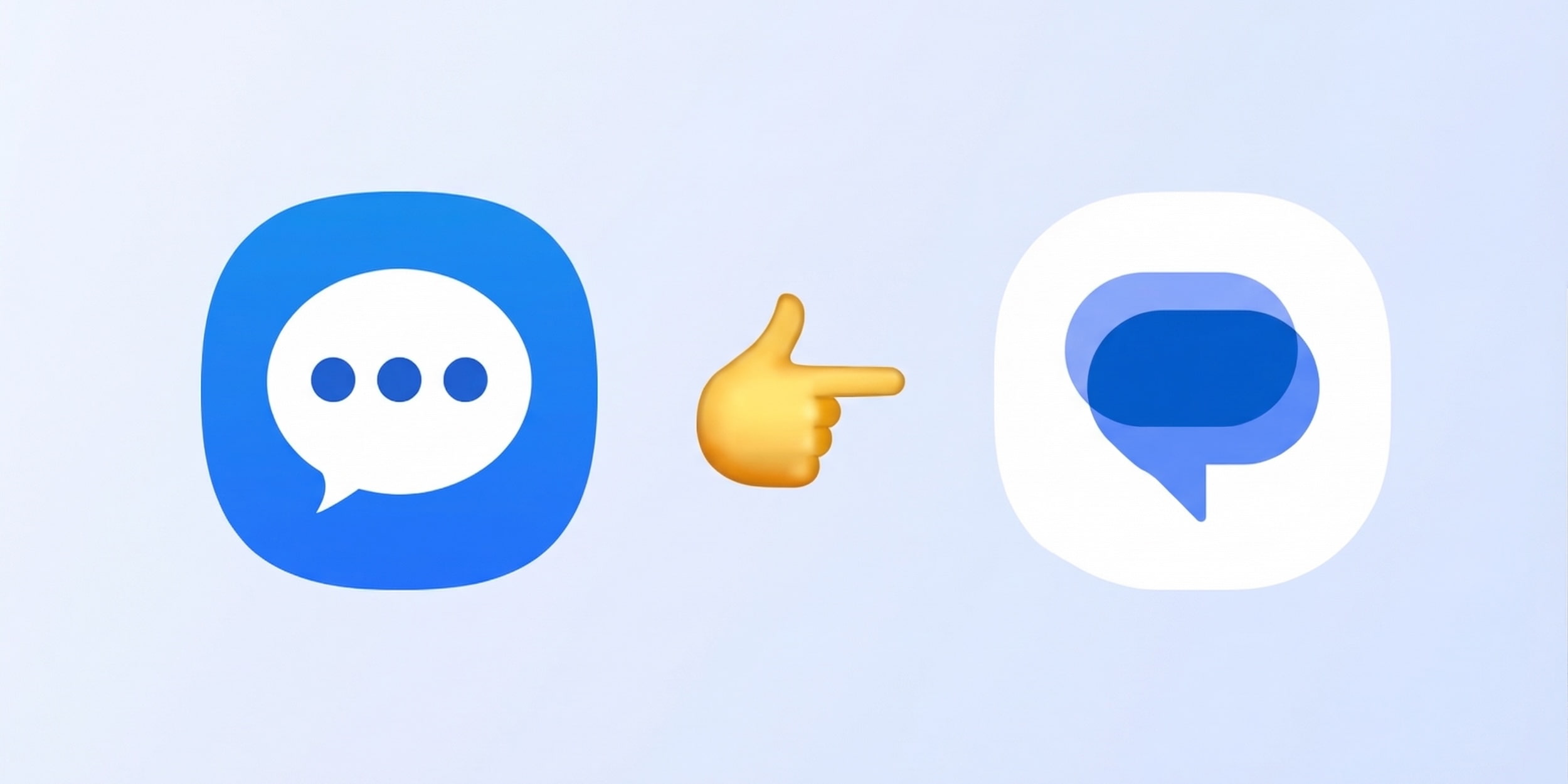
A significant change is coming for Samsung smartphone users in the United States. Samsung’s own Messages app is officially being discontinued, with its service set to end in July 2026. This move paves the way for a more unified messaging experience, as users will transition to Google Messages.
This development is part of a broader industry shift towards standardized and enhanced communication protocols on Android devices. Samsung has been working closely with Google to streamline the messaging landscape, making Google Messages the primary application for texting.
The End of Samsung Messages
Samsung has shared an “End of Service Announcement” for its proprietary Messages application within the US. By July 2026, the app will no longer be supported on Samsung devices in the region, requiring users to switch to an alternative messaging solution.
This decision reflects a growing trend within the Android ecosystem to consolidate messaging services. The aim is to create a consistent and feature-rich platform for all Android users, regardless of their device manufacturer.
Why the Switch to Google Messages?
The discontinuation of Samsung Messages is a direct outcome of the ongoing collaboration between Samsung and Google. Their joint effort focuses on providing a uniform and advanced messaging service across all Android devices. Google Messages, powered by Rich Communication Services (RCS), offers a modern upgrade from traditional SMS/MMS.
RCS introduces several significant enhancements that users have come to expect from contemporary messaging applications. These features are designed to improve the overall texting experience, making it more interactive and functional.
Key Features of Google Messages (RCS)
- Read Receipts: Users can see when their messages have been successfully delivered and read by the recipient.
- Typing Indicators: Know when the person you are chatting with is actively typing a response.
- High-Quality Media Sharing: Send larger, higher-resolution photos and videos without the typical compression issues of older messaging standards.
- Group Chat Enhancements: Enjoy improved group messaging capabilities, including better management and more interactive features.
- End-to-End Encryption: For one-on-one conversations, ensuring that your messages remain private and secure from prying eyes. You can explore more about Google Messages and its functionalities on the official Google Messages website.
What This Means for Samsung Users
For current Samsung Messages users in the US, the transition process will be guided directly on their devices. Samsung plans to assist users in migrating to Google Messages as the July 2026 deadline approaches. It is anticipated that existing message history will be transferable, though users should always consider backing up important conversations.
This change simplifies the messaging landscape on Android devices. Rather than having multiple default messaging apps, Google Messages is becoming a universal standard, offering a consistent experience across various Android phone brands. Users can also download Google Messages directly from the Google Play Store.
Preparing for the Change
While July 2026 might seem distant, it’s a good idea for Samsung users to familiarize themselves with Google Messages now. Many Samsung devices already have Google Messages pre-installed or are compatible with an easy download. Proactively making the switch can ensure a smooth transition and allow users to enjoy the advanced features sooner.
Furthermore, this consolidation enhances the entire Android messaging ecosystem. It accelerates the adoption of RCS, making cross-platform communication between Android devices more seamless and feature-rich, akin to how Apple’s iMessage operates within its own ecosystem.
Conclusion
The discontinuation of Samsung Messages in the US signifies a crucial step towards a more unified and advanced messaging experience on Android. By embracing Google Messages and its robust RCS capabilities, Samsung users can look forward to richer, more secure, and more interactive conversations. This change, scheduled for July 2026, ultimately benefits the entire Android community by standardizing and enhancing core communication features.