





Chinese startup Lisuan has launched its new budget graphics processing unit (GPU), the LX 7G100, which sold out instantly upon release. This marks a notable entry into a market predominantly controlled by NVIDIA.
The immediate sell-out of the Lisuan LX 7G100 indicates strong consumer demand for alternative graphics card options, particularly within the budget segment. This demand emerged despite reports that the new hardware trails the performance of more established competitors like NVIDIA’s RTX 4060.
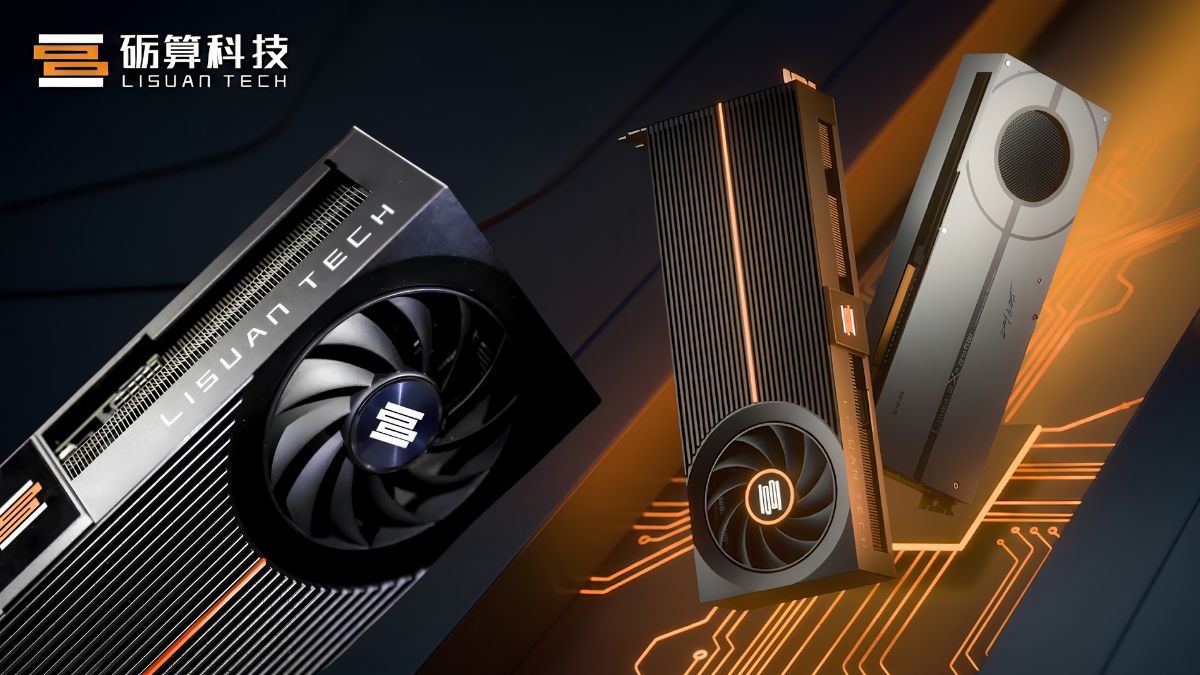
NVIDIA currently holds a commanding position in the discrete graphics card and AI accelerator market, securing 94% of the GPU add-in board (AIB) market in Q4 2025. The Lisuan LX 7G100 is equipped with 12 GB of GDDR6 memory and utilizes a 6 nm GPU chip. Performance benchmarks indicate the card falls approximately 30% behind mainstream options such as the NVIDIA GeForce RTX 4060, with some reviewers comparing its capabilities closer to an RTX 3060.
Pricing for the Lisuan LX 7G100 in China is reported to be around the equivalent of $485. This price point places it in direct competition with other mid-range offerings from established manufacturers, despite its performance differences. The card also features notable compatibility, being the first Chinese GPU outside of AMD, Intel, or NVIDIA to receive Microsoft WHQL certification. It supports modern APIs including DirectX 12, Vulkan 1.3, OpenGL 4.6, and OpenCL 3.0.
The global GPU market has historically been dominated by a few major players, with high barriers to entry due to extensive research and development requirements. The introduction of new manufacturers like Lisuan, particularly from China, signifies an evolving competitive landscape. This development could foster greater innovation and provide more diverse options for consumers seeking graphics solutions, especially those prioritizing budget-friendly hardware.
The instant sell-out further highlights a significant domestic market appetite for locally produced technology within China. This trend could encourage further investment in indigenous GPU development and potentially lead to a more diversified global market. However, its broader international availability and long-term market impact will depend on scaling production, distribution, and future product advancements.