



Valve’s long-anticipated Steam Machine has launched to an underwhelming reception, with its raw performance disappointing many eager gamers. Its initial output falls short of the console and PC killer status many expected, leaving enthusiasts disappointed.
This performance shortfall is prompting consumers to actively explore alternative gaming hardware available in 2026, seeking more capable and versatile options that deliver a stronger gaming experience.
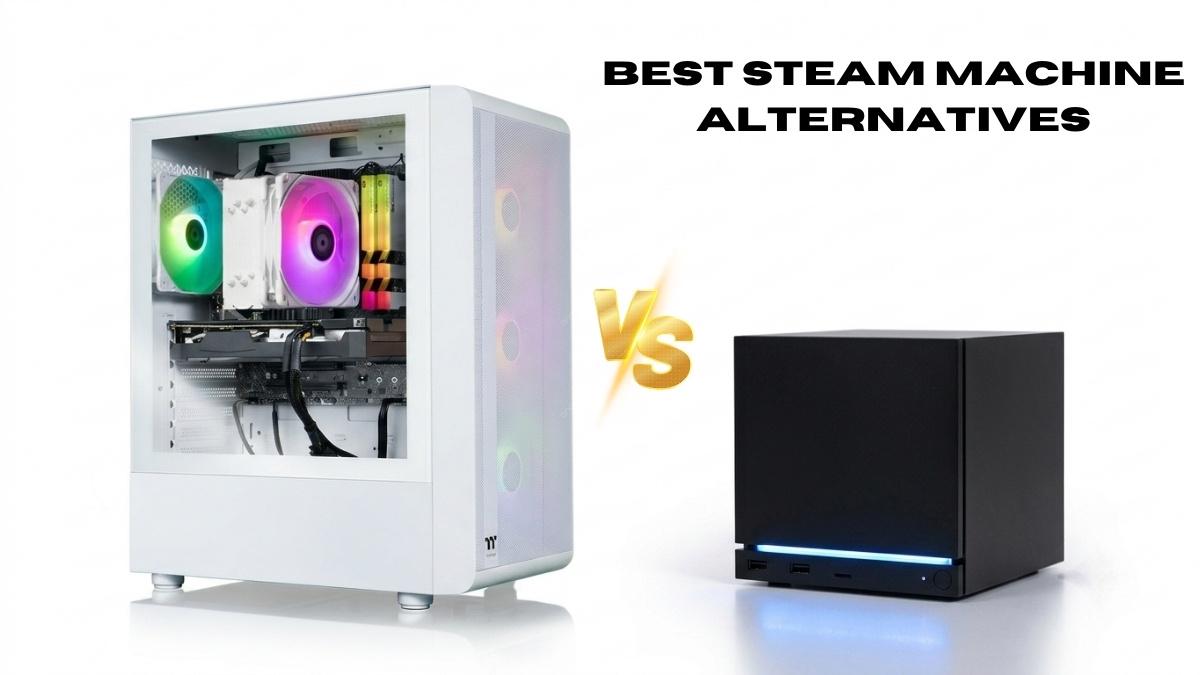
Many industry observers now suggest that dedicated PC gaming handhelds and compact mini PCs offer superior performance and versatility. These alternatives often feature more powerful processors and dedicated graphics units, providing a significantly more robust gaming experience out of the box. They typically support higher resolutions and frame rates, which are critical for modern titles.
Furthermore, these devices often boast greater customization options and access to a wider range of software and peripherals compared to the more closed ecosystem of the Steam Machine. Consumers are finding better value in these established categories, which have continued to evolve with advanced hardware.
For instance, products from brands like ASUS ROG and devices such as the Lenovo Legion Go are frequently cited as examples of hardware delivering a more compelling gaming experience than the new Steam Machine. These alternatives allow gamers to access their extensive libraries, including titles from the Steam Store, with enhanced graphical fidelity and smoother gameplay.
The Steam Machine was initially anticipated as a potential disruptor to both console and traditional PC gaming markets, fueled by Valve’s reputation. However, its current iteration fails to meet these high expectations, leading gamers to actively explore other platforms for their gaming needs that offer tangible performance benefits.
