


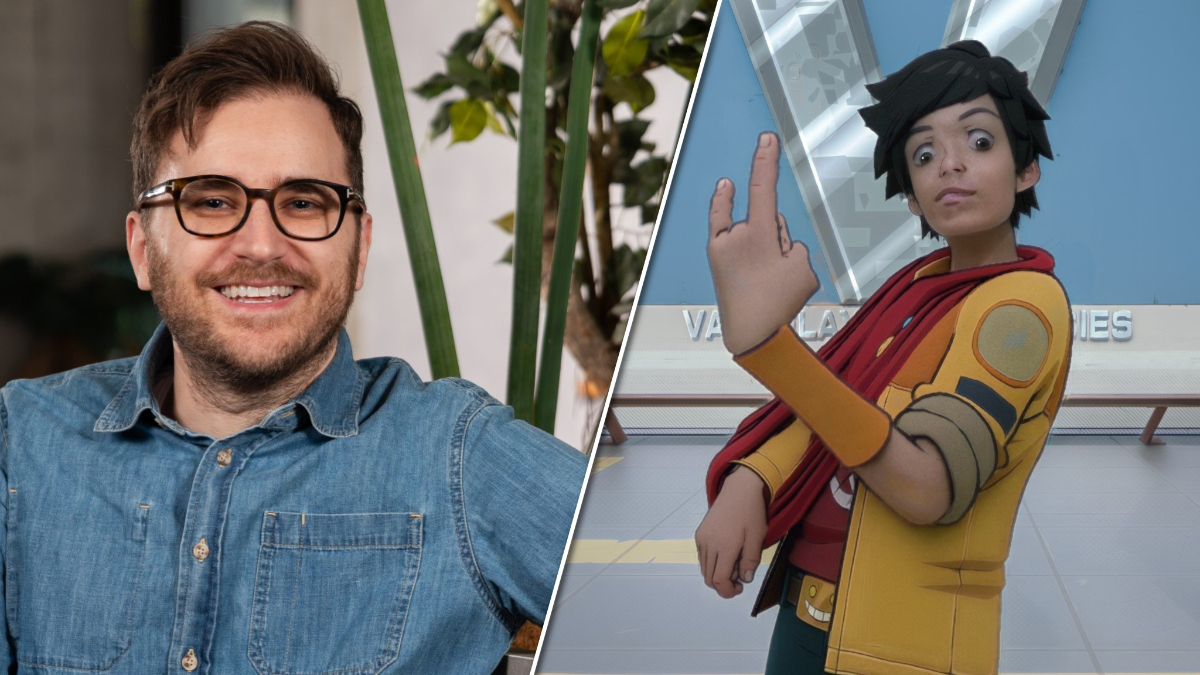
Hi-Fi Rush director John Johanas publicly criticized NVIDIA’s recently unveiled DLSS 5 upscaling technology, responding with a blunt “Perfect, No Notes” amid widespread gamer discontent.
This public statement from Johanas adds a notable voice to the ongoing debate surrounding DLSS 5, which has faced significant backlash and skepticism from the gaming community since its reveal in March 2026. Such high-profile criticism could further influence public perception of the upscaling technology.
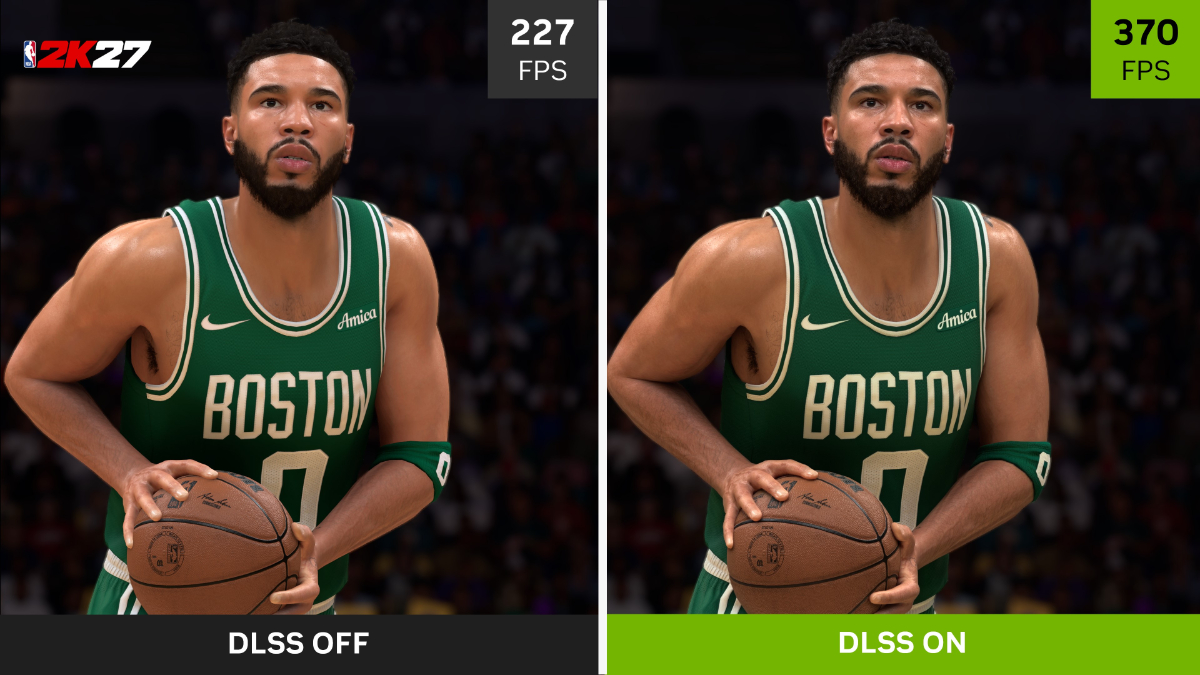
NVIDIA’s Deep Learning Super Sampling (DLSS) is an artificial intelligence-powered rendering technology designed to boost frame rates by upscaling lower-resolution images to higher resolutions. The fifth iteration, DLSS 5, was revealed in March 2026 and has since become a central point of contention within the gaming community. Many players have voiced strong criticism, frequently describing the visual output of the technology as “AI slop.”
Johanas, known for his work on the rhythm-action game Hi-Fi Rush, made his remark amidst these ongoing discussions. His blunt “Perfect, No Notes” response to DLSS 5’s perceived shortcomings quickly gained traction among critics of the technology. This type of high-profile comment can often amplify broader discussions within the tech and gaming sectors.
The core concept behind DLSS is to leverage artificial intelligence and machine learning to reconstruct detailed frames, offering improved performance without a significant loss in visual fidelity. However, with DLSS 5, some users have reported specific issues such as reduced image clarity, visual artifacts, or a perceived artificiality in rendered scenes, particularly with fine details or fast-moving objects. This has fueled the “AI slop” descriptor, suggesting that the AI-generated elements lack the natural detail and consistency often expected from native rendering. The debate highlights a growing tension between performance gains offered by upscaling technologies and the desire for uncompromised visual quality among dedicated gamers. NVIDIA has yet to publicly address the specific criticisms surrounding DLSS 5’s performance or visual output, though the company continues to promote its DLSS technology as a key feature for enhancing gaming experiences on compatible GeForce RTX graphics cards.