





The European Commission will unveil the EU Kids Act on Thursday, proposing a total ban on social media use for children under the age of 13 across all 27 member states.
Key points
- Children under 13 face a complete ban from social media under the EU Kids Act.
- Teens aged 13 to 15 require parental consent for restricted accounts capped at one hour daily.
- Platforms that fail to enforce verification face fines up to 6% of global annual revenue.
- The regulation also applies to online gaming networks and conversational AI chatbots.
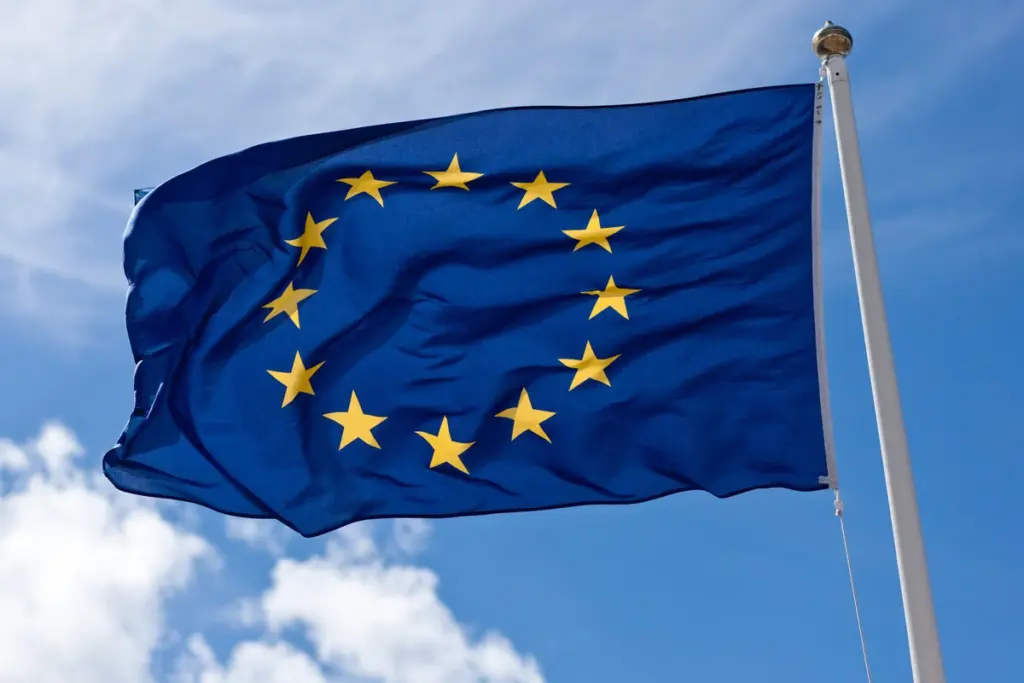
The legislative draft introduces tiered access restrictions for minors, targeting social media platforms, online gaming services, and conversational AI chatbots. In her annual address to the European Parliament, European Commission President Ursula von der Leyen confirmed that the bloc will mandate strict age-gating and shift legal burdens onto online services.
“No social media under the age of 13. No personal account under the age of 15. Europe has the power to act. It is us who decide the rules, not big tech.”
Tiered Access Restrictions Under the EU Kids Act
The draft rules establish clear operational tiers based on a minor’s age. Platforms operating in the EU must adapt their sign-up processes and platform architectures to follow three distinct regulatory categories:
- Under 13 years old: Fully prohibited from creating accounts or accessing social media services.
- Ages 13 to 15: Allowed only through supervised “mini accounts” managed by parents, restricted by default to a one-hour daily usage limit.
- Ages 15 to 18: Allowed independent accounts, but services must enforce mandatory safe-design rules, including default private profiles and disabled algorithmic recommendation loops.
The rules target features built to encourage addictive interactions, including infinite scrolling and constant push notifications. Services offering AI companions and chatbots will also be barred from employing designs that foster unhealthy psychological attachments in young users.
Enforcement and Revenue-Based Penalties
To enforce these age tiers, technology companies will have to integrate an official EU-backed age-verification tool. The system relies on zero-knowledge cryptographic proofs, verifying a user’s age threshold without disclosing their identity or personal documents directly to online services.
Companies that fail to integrate the system or bypass the restrictions face financial penalties of up to 6% of their global annual revenue. This matches the maximum penalty tier under the European Union’s Digital Services Act and the AI Act.
During the announcement, von der Leyen stated the bloc must intervene against services that compromise the mental health of minors.
“What we are witnessing is a great capture of our children. A capture of their attention, their focus, their minds. This is depriving children of their childhood.”
Member State Pressure and Global Precedents
The initiative follows sustained pressure from national governments within the bloc. Member states including Greece and France have pushed for harmonized European action. In August 2026, France’s Constitutional Council struck down a domestic French statute barring children under 15 from social platforms due to constitutional free-expression protections, prompting French lawmakers to advocate for a standardized EU regulation instead.
The EU framework also draws from international measures, notably Australia, which passed a nationwide ban in December 2025 restricting minors under 16 from social platforms. Regulators are also pointing to ongoing legal actions in the United States, including settlements reached by Meta over youth mental health claims, as justification for strict limits.
The official text outlined in the State of the Union 2026 initiatives package begins formal legislative review on Thursday. The proposal must now move through negotiations between the European Parliament and the European Council before it can be enacted into law across member states.