



Microsoft co-founder Bill Gates warned that world governments remain dangerously unprepared for rapid artificial intelligence disruption, urging the United States and China to establish diplomatic cooperation to regulate the emerging technology.
Key points
- Bill Gates warned that global governments remain unprepared for rapid artificial intelligence disruption.
- Gates urged direct cooperation between the United States and China to regulate frontier artificial intelligence systems.
- The Gates Foundation pledged at least $1 billion over two years to bring AI tools to lower-income regions.
- Gates discussed AI concerns with US President Donald Trump and plans to meet with Chinese President Xi Jinping.
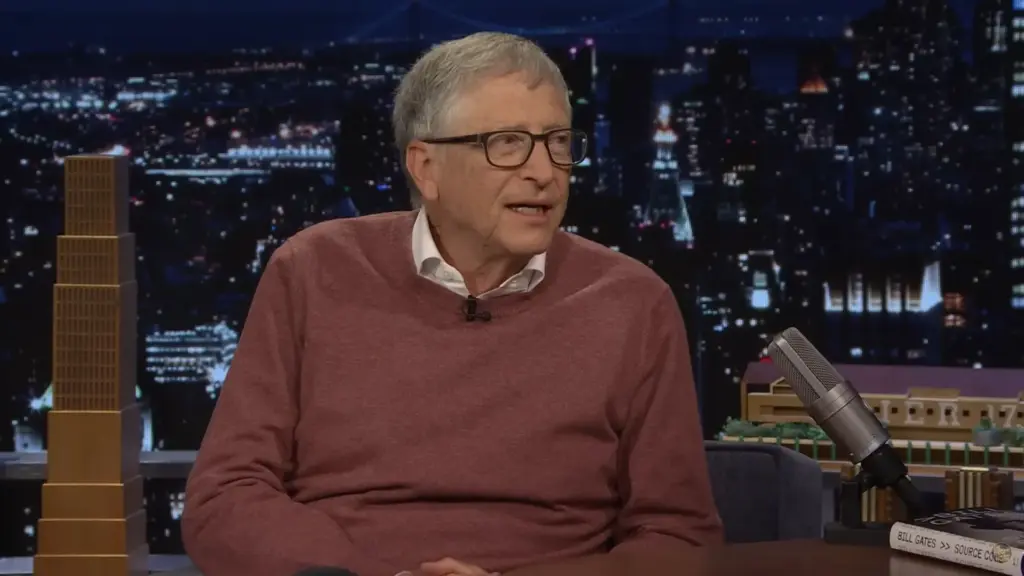
Speaking in an interview with Reuters, Gates compared artificial intelligence to an external shock that demands coordinated international action. The warning comes as policymakers worldwide weigh aggressive restrictions against competitive pressures in enterprise software and consumer technology.
There’s all sorts of movies where some aliens are coming, and magically, the U.S. and China and everybody comes together to solve the problem. AI is kind of like this alien intelligence. It’s here, and we better do like it shows in those movies.
Diplomatic Talks and Labor Displacement Risks
Gates confirmed he is engaging world leaders directly about AI policy. He has already met with US President Donald Trump and administrative staff to address the pace of technological development, and he stated plans to hold discussions with Chinese President Xi Jinping later this year. According to reporting on how Gates urges US and China cooperation, bridging geopolitical tensions remains central to preventing unchecked deployment across critical systems.
A primary concern cited by Gates involves the speed of economic disruption. Microsoft AI Chief Executive Officer Mustafa Suleyman previously cautioned that software agents could replace every white-collar role within 18 months. To mitigate sudden job losses, Gates suggested governments could evaluate policy designations that classify specific occupations as human reserved.
Gates also pointed to secondary hazards, including network security vulnerabilities and the psychological effects associated with chronic reliance on companion bots. Gates stressed that administrative bodies lack the institutional readiness necessary to manage these developments.
I don’t think any government is nearly as deep on this as they have to be. Governments are way behind on this one.
Legislative Approaches and Federal Gridlock
In Washington, lawmakers have introduced differing proposals to oversee generative models and autonomous agents. Senator Bernie Sanders and Representative Greg Casar introduced the Ban Artificial Superintelligence Act, a legislative measure that seeks a temporary moratorium on frontier training runs and establishes criminal penalties of up to 20 years in prison for noncompliance.
Sanders has also floated an AI sovereign wealth fund intended to capture machine productivity for public benefit. However, federal adoption of broad limits faces hurdles, as the current administration has largely prioritized market dominance over Beijing and dismissed claims of catastrophic risks as overblown. The resulting policy divide has stalled enforceable standards across domestic tech sectors, as outlined in analysis of how Gates compares AI to alien intelligence needing urgent oversight.
Gates Foundation Pledges $1 Billion for Developing Nations
Alongside regulatory warnings, Gates stated that artificial intelligence can provide substantial public benefits if software access is distributed equitably. The Bill & Melinda Gates Foundation committed at least $1 billion over the next two years from its $9 billion annual operating budget to deploy machine learning software across low-income regions.
The foundation plans to focus these resources across three development sectors:
- Healthcare: Supplying automated diagnostics to frontline medical staff, expediting clinical vaccine research, and testing novel pharmaceutical treatments.
- Agriculture and Education: Developing agronomic modeling tools for local crop management and distributing personalized tutoring software to rural classrooms.
- Language Support: Expanding large language models to run natively across all global spoken languages, reducing regional linguistic divides.
Gates also addressed questions regarding past congressional scrutiny over his historical meetings with Jeffrey Epstein, confirming the inquiries caused no loss of standing or diplomatic access with foreign heads of state. The foundation intends to commence initial healthcare and language deployments through its partner networks in early 2027.