First-generation Google Chromecast streaming devices, released in 2013, are reportedly failing for some users thirteen years after their debut. This issue, impacting one of Google’s early successful hardware products, potentially leaves some long-time owners without a functional media streaming solution.
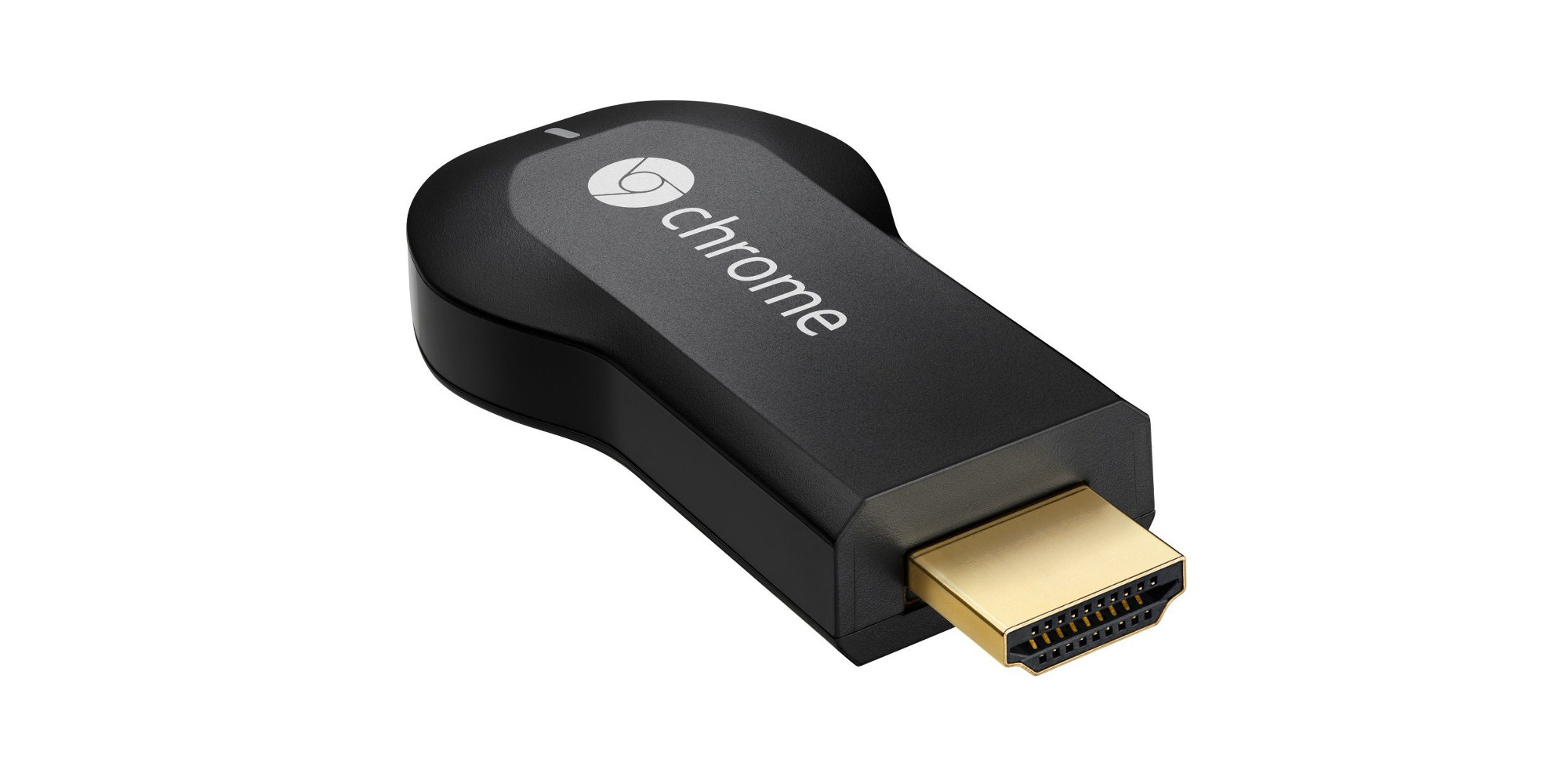
Reports indicate that the original Chromecast units are suddenly ceasing to function. Users describe the devices becoming unresponsive, failing to connect to Wi-Fi networks, or displaying generic error messages on connected televisions. These first-gen Chromecast failures appear to be widespread enough to draw attention across various tech communities and forums. The sudden nature of the failures, after years of consistent operation, has surprised many owners.
The original Chromecast was introduced in July 2013, priced at $35, offering a simple and affordable way to stream content from mobile devices or web browsers to a television. It quickly became a popular choice for consumers seeking an entry-level smart TV upgrade due to its ease of use and broad compatibility with apps like YouTube and Netflix. Google has since released several newer iterations of the Chromecast line, including models with Google TV that integrate a full user interface and remote control.
While specific causes for the failures remain unconfirmed by Google, the age of the devices suggests potential hardware degradation or component fatigue. Many electronic devices have a finite lifespan, and thirteen years represents a significant operational period for consumer electronics. Consumers experiencing issues with their first-generation devices may consider upgrading to newer Google streaming hardware, which offers enhanced features, improved performance, and continued software support. Newer models like the Chromecast with Google TV 4K provide support for modern streaming standards, higher resolutions up to 4K, and a dedicated remote control for easier navigation.