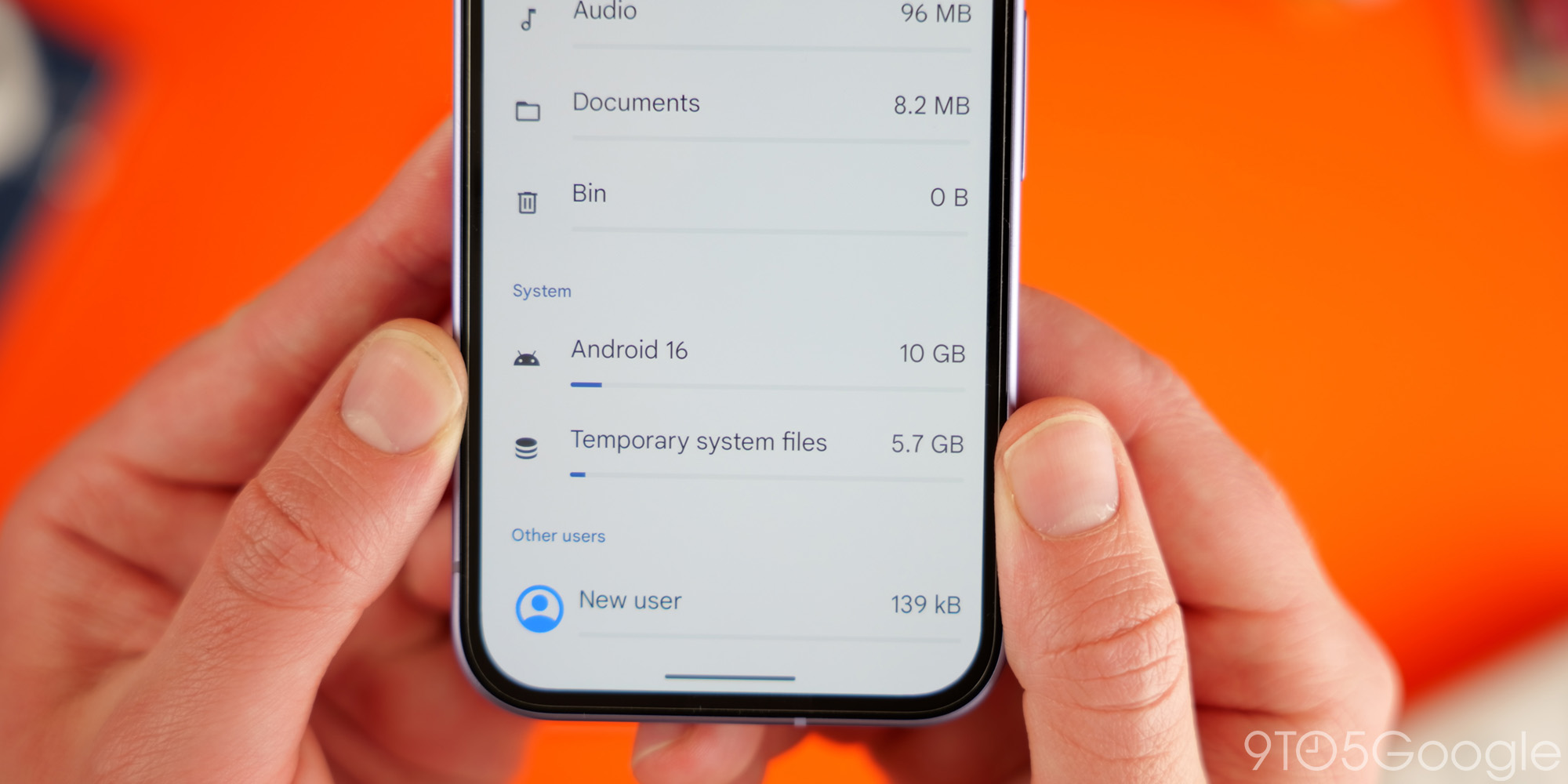
Google has clarified why its Android AICore, a system service enabling on-device generative AI features, may occasionally consume additional storage on Android phones and tablets. The company stated that temporary increases in Android AICore storage are a normal part of background updates.
This explanation addresses user inquiries regarding the local storage footprint required for AI models such as Gemini Nano, which run directly on device hardware. On-device processing ensures enhanced privacy and allows AI-powered functions to operate without an internet connection.
Android AICore functions as a core system service for devices running Android 14 and higher. It manages large-scale Artificial Intelligence (AI) models, facilitating their execution directly on the phone or tablet’s hardware. This includes handling model management, runtimes, and safety features, simplifying development for Android app creators.
Furthermore, AICore powers Gemini Nano, Google’s efficient AI model specifically designed for mobile devices. Gemini Nano models are available in different sizes, such as 1.8 billion and 3.25 billion parameters, which can influence the storage required on a device. These models enable features like smart replies in messaging apps, text summarization, and advanced proofreading.
The shift towards on-device AI, managed by AICore, offers significant advantages. Processing sensitive information locally ensures it remains on the device and is never sent to the cloud. This approach also provides faster and more consistent performance compared to cloud-based services by eliminating network latency.
Additionally, AICore leverages specialized device hardware, including Neural Processing Units (NPUs), to optimize the efficiency and speed of AI workloads. This enables sophisticated AI experiences without compromising battery life or overall device performance.
Google initially introduced Gemini Nano as its most efficient model for on-device tasks in December 2023. It was first integrated into devices like the Pixel 8 Pro via AICore. More details on the service are available on the About Android AICore Google Help page.
The availability of AICore-powered features and the specific storage consumption can vary by device and manufacturer.