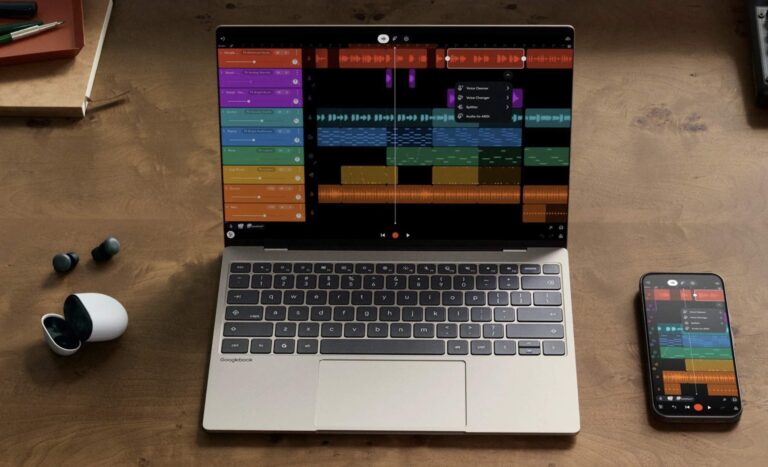
Google has officially launched its new Googlebook laptop platform, designed to directly compete with Apple’s affordable MacBook Neo. The announcement was made during the company’s recent Android Show, also referred to as its annual I/O event.
The Googlebook devices merge Android and ChromeOS into a unified operating system, deeply integrating Google’s Gemini artificial intelligence. This initiative aims to offer a compelling alternative in the mainstream laptop market, which saw significant disruption following the MacBook Neo’s launch in March.

Key Googlebook Features
The new Googlebook platform emphasizes AI-driven functionality. Devices will feature Gemini AI at their core, enabling a more personalized and proactive user experience. A notable feature is the ‘Magic Pointer,’ which allows users to activate Gemini for contextual suggestions and answers by simply wiggling the cursor over on-screen elements.
Furthermore, Googlebook laptops are designed for seamless integration with Android smartphones. This includes direct access to phone apps and files, offering a feature set similar to Apple’s iPhone Mirroring for enhanced cross-device workflow.
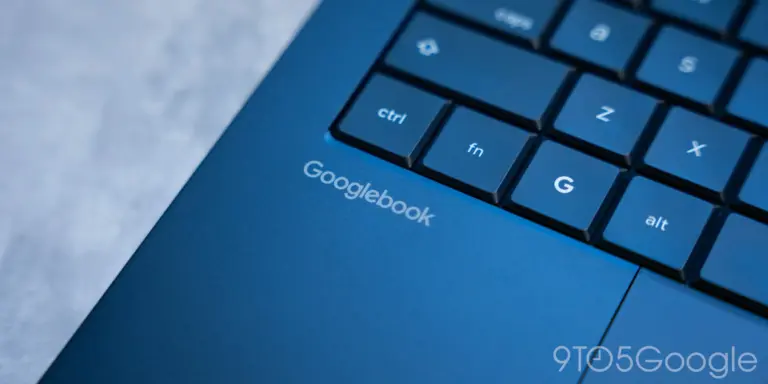
Google has confirmed partnerships with several manufacturers, including Acer, Asus, Dell, HP, and Lenovo, to produce the first Googlebook models. These devices are expected to feature premium craftsmanship and materials, unified by a distinct ‘Glowbar’ LED strip on the lid.
While specific pricing details remain unannounced, Googlebooks are anticipated to be available this fall. Pricing could potentially match or undercut the MacBook Neo, aiming for a competitive position in the affordable laptop segment.
Market Context
Apple’s MacBook Neo launched in March 2026, creating significant ripples in the PC market. Priced at £599/$599, with a student discount bringing it to £499/$499, it marked Apple’s most affordable MacBook to date. The MacBook Neo features an A18 Pro chip and has been praised for its build quality and performance in everyday tasks.
Google’s entry with Googlebook signals a direct response to this market shift, leveraging its software ecosystem and AI capabilities. Existing Chromebooks will continue to receive support, with many eligible to transition to the new Googlebook experience once it rolls out.
Readers can learn more about Google’s products on the Google Store or explore Apple’s offerings on Apple Mac.