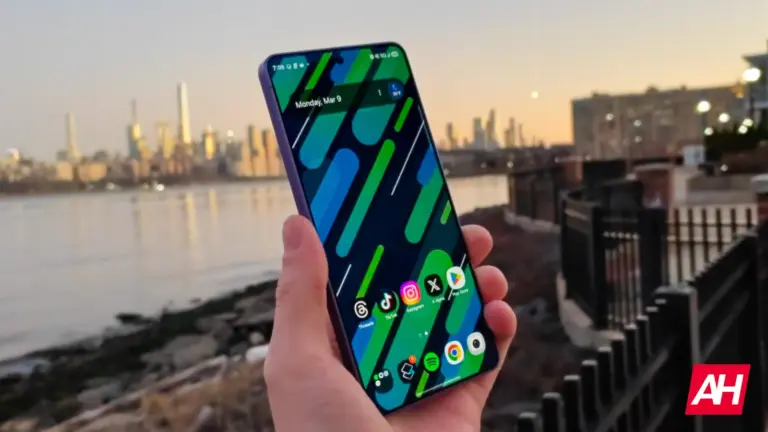
Samsung’s latest Galaxy S26 series showcases a bold design statement, with its distinctive vertical camera array being touted by executives as a “core identity.” However, this signature look, while instantly recognizable, also presents some notable challenges for the user experience and engineering team.
Recent interviews with Samsung executives shed light on the company’s evolving design language, moving towards a “human-centered design” philosophy that prioritizes user experience. Lee Il-hwan, Vice President and head of Samsung’s mobile design team, specifically referred to the vertically arranged triple-camera system as “the core identity of the Galaxy.”
The Design Philosophy Behind the Galaxy S26 Vertical Camera
Samsung’s design approach for the Galaxy S26 emphasizes “Essential, Innovative, and Harmonious” principles, aiming for products that blend naturally into daily life. The S26 series, including the Ultra model, now features a unified design with an “optimal corner curvature” of 7R. This consistent aesthetic extends across almost all recent Galaxy-branded phones, reinforcing the vertical camera’s role as a brand identifier.
Balancing Aesthetics with Functionality
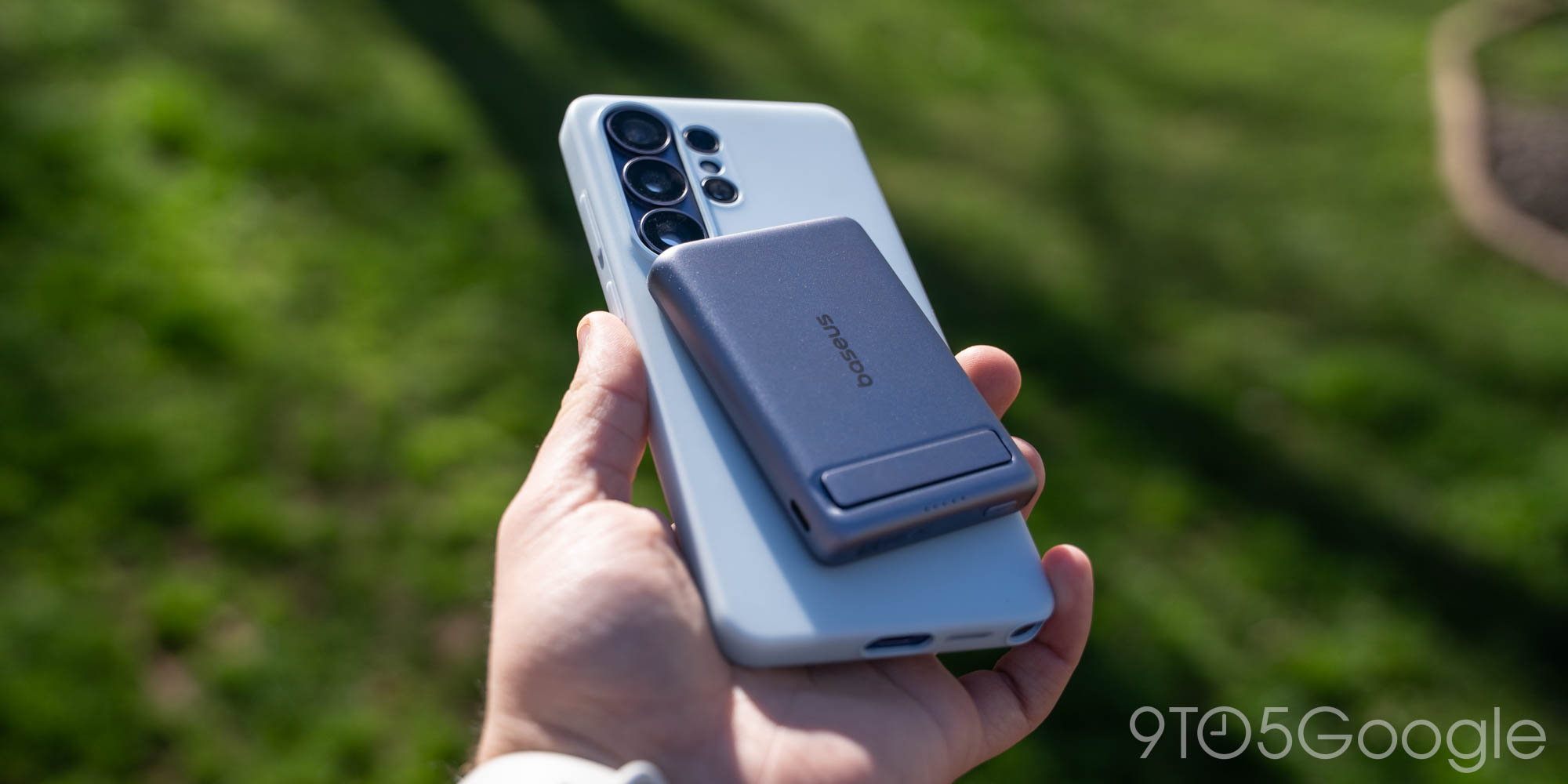
While the vertical camera layout is a strong visual cue for Samsung, it also introduces practical drawbacks. Many users find that the prominent camera bump causes the phone to wobble when placed on a flat surface, making it awkward to use without holding it. Furthermore, some users have reported issues with wireless charging and compatibility with magnetic accessories due to the camera’s placement.
Camera Performance and User Concerns
Despite the design’s “core identity” status, the actual camera hardware for the base Galaxy S26 and S26+ models has seen no major upgrades, retaining the same specifications as the Galaxy S22 series. This has left some users hoping for more significant advancements in photography capabilities.
Specific Issues for the Galaxy S26 Ultra
The premium Galaxy S26 Ultra has also faced its share of camera-related complaints. Early adopters reported blurry photos when using the 3x zoom, an issue Samsung quickly addressed with a software update. Additionally, some users have experienced the camera “jumping” between lenses when trying to focus on close-up objects. This particular problem stems from a change in the telephoto lens, moving from a periscope design to an All Lenses on Prism (ALoP) assembly, which effectively doubled the minimum focus distance.
The 3x camera on the S26 Ultra, which is a 10-megapixel lens, sometimes relies heavily on AI to fill in details, leading to inconsistent results that can appear “muddy” compared to competitors with larger sensors.
Why It Matters
Samsung’s commitment to the vertical camera design highlights the delicate balance between brand identity and practical engineering. While a consistent design helps establish brand recognition, as seen with other major smartphone manufacturers, it also means navigating the technical challenges of fitting increasingly powerful camera technology into a sleek form factor. Consumers expect both distinctive aesthetics and top-tier performance, pushing manufacturers like Samsung to innovate within their chosen design language. For more information on Samsung’s latest devices, you can visit the official Samsung Galaxy S26 product page or explore their broader mobile offerings.
Conclusion
The Galaxy S26 vertical camera array is undeniably a defining feature for Samsung, embodying its design philosophy and brand identity. However, this commitment comes with compromises, from user convenience issues like phone wobbling to technical hurdles in camera performance. As Samsung continues to refine its “human-centered design,” the challenge will be to maintain this recognizable aesthetic while delivering consistent, cutting-edge camera experiences that meet and exceed user expectations across all models.
Source