




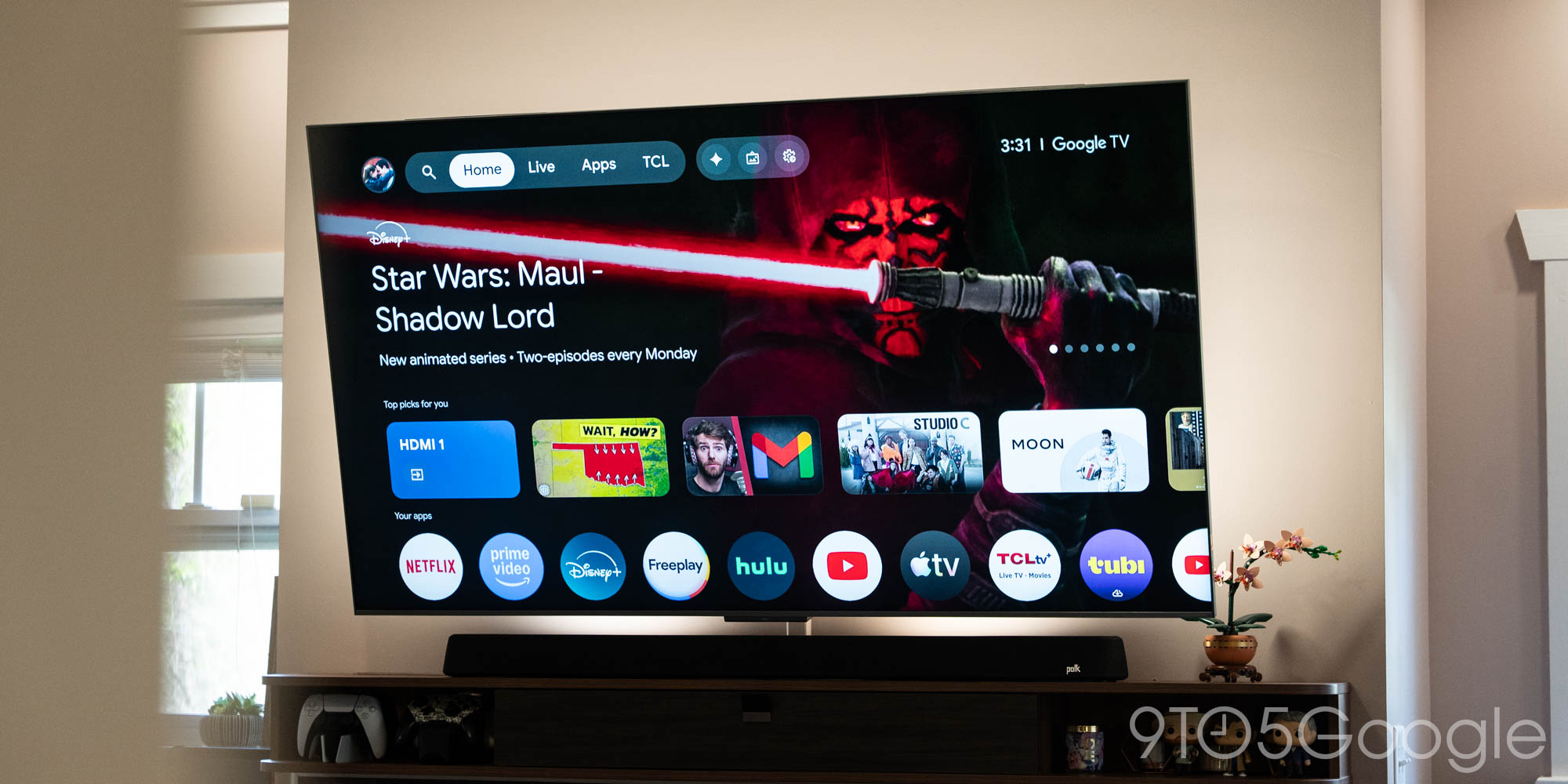
Imagine walking into your living room and your TV magically springs to life. This isn’t science fiction anymore, thanks to a new Google TV presence sensing feature found on the latest TCL QM9K models. It’s a fascinating step forward, offering undeniable convenience, but it also raises questions about personal space and privacy.
What is Google TV Presence Sensing?
Traditionally, smart TVs have relied on you to pick up the remote and manually power them on. However, TCL’s new QM9K Google TV series introduces a clever technology that actively detects your presence in the room. This means your television can automatically power on when you enter, ready for viewing the moment you sit down.
How Does It Work?
The presence sensing feature likely utilizes a small, integrated sensor, such as a camera or an infrared detector, to monitor movement within its field of view. When it senses a person, it triggers the TV to turn on. Furthermore, if no one is detected for a set period, the TV can intelligently turn itself off, potentially saving energy.
The Experience: Convenience vs. Privacy
For many, the idea of a TV that anticipates your needs is incredibly convenient. No more fumbling for remotes or waiting for lengthy boot-up screens. It’s a prime example of “ambient computing,” where technology seamlessly integrates into your environment, making interactions smoother and more intuitive.
However, the concept of a device constantly watching for your presence can feel a bit unsettling. Privacy concerns naturally arise when a camera or sensor is always active in a personal space. Users will undoubtedly want clear assurances about how this data is handled and, crucially, if the feature can be easily disabled or adjusted to their comfort level.
What This Means for Your Living Room
This new Google TV presence sensing capability marks a significant shift in how we interact with our home entertainment systems. It hints at a future where devices are more proactive and responsive to our daily lives. Here’s why this innovation matters:
- Instant Entertainment: Your favorite shows, movies, or smart home dashboard can be ready the moment you walk into the room.
- Energy Efficiency: The TV can automatically turn off when a room is empty, potentially reducing power consumption and helping the environment.
- Enhanced Smart Home Integration: This technology could pave the way for other smart home devices to react to your presence, creating a truly connected and automated home experience. For more on smart home devices, check out Google’s Connected Home products.
Looking Ahead: The Future of Smart TVs
TCL’s innovation with Google TV presence sensing is just one example of how smart televisions are evolving beyond just picture quality and resolution. We can expect more manufacturers to explore similar proactive features in the future, perhaps integrating advanced AI for even more personalized content recommendations or environmental adjustments.
However, the widespread success of such features will heavily depend on user acceptance. This means striking a careful balance between cutting-edge technology, robust privacy controls, and clear communication with consumers. You can learn more about TCL’s latest TV models and technologies on their official website, such as the TCL TVs page.
Conclusion
The arrival of Google TV presence sensing on the TCL QM9K is a fascinating development, pushing the boundaries of what we expect from our televisions. While the convenience of an automatically responsive TV is undeniable, the ongoing conversation around privacy and user control will undoubtedly continue to shape the future of these intelligent devices. It’s an exciting, albeit slightly “watched,” new era for smart home entertainment.