





PlayStation users are currently discussing a “30-day DRM timer,” a digital rights management feature that has drawn varied reactions within the gaming community. This system, seen by some as a measure against piracy, reportedly requires periodic online verification for certain game content.
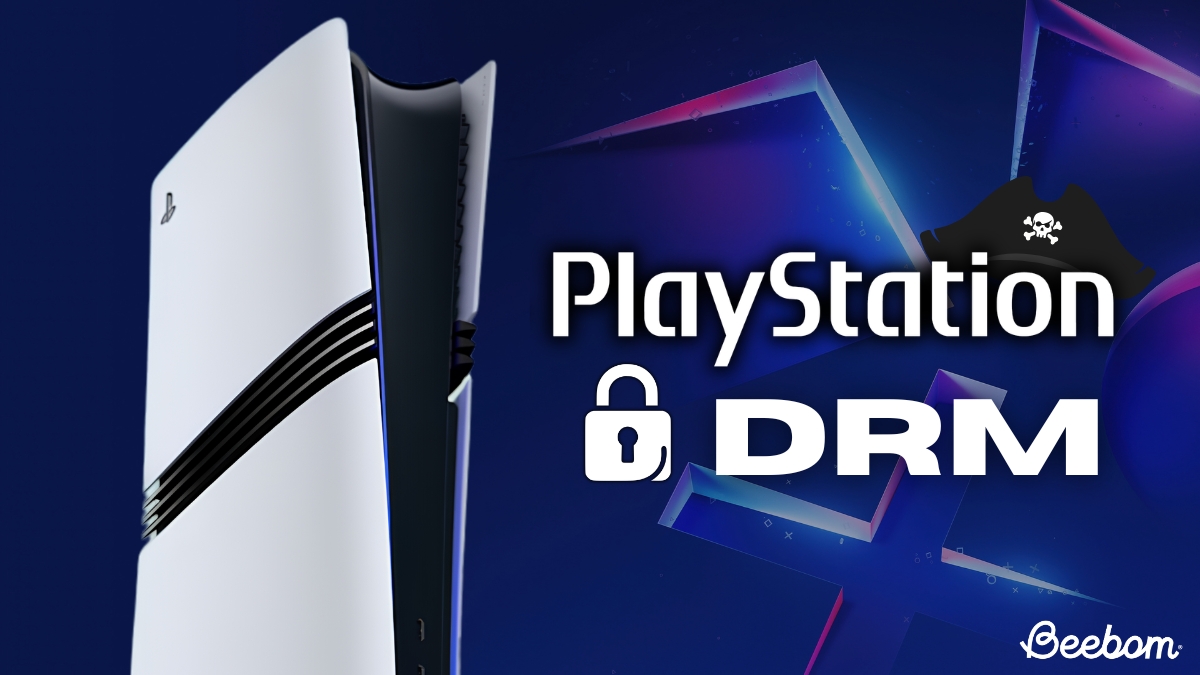
The implementation of a 30-day DRM timer on PlayStation platforms impacts how players access and retain ownership of their digital game libraries. While some view the 30-day DRM as a necessary deterrent to unauthorized distribution, others express concerns about potential restrictions on legitimate content access.
Understanding PlayStation’s 30-Day DRM
Digital rights management (DRM) refers to technologies that control access to copyrighted material. The PlayStation 30-day DRM timer reportedly mandates that certain digital games or content require an online check-in every 30 days. This verification process ensures the user’s license remains valid.
However, if a console remains offline for an extended period beyond the 30-day window, access to the affected content may be temporarily revoked until an internet connection is re-established. This has prompted discussions among gamers regarding implications for offline play and long-term game preservation. More information on PlayStation’s offerings can be found on the official PlayStation website.
Community Reactions and Industry Context
The gaming community’s response to the 30-day DRM timer is divided. Proponents argue that such measures are vital for protecting intellectual property and ensuring developers receive fair compensation for their work. They highlight the ongoing challenge of game piracy in the digital age.
Conversely, critics voice apprehension over the potential for legitimate players to lose access to their purchased games due to internet outages, server issues, or future platform changes. These concerns often revolve around the concept of true digital ownership, a topic frequently debated in the broader tech industry. For a deeper understanding of digital rights and consumer expectations, resources like the Electronic Frontier Foundation offer insights into digital rights issues.
Furthermore, the use of DRM is not unique to PlayStation. Many digital platforms across various industries employ similar technologies to manage content licenses. This includes streaming services, PC game launchers like Steam, and other console ecosystems.
The ongoing discourse underscores the tension between content creators’ desire for protection and consumers’ expectations for uninterrupted access to their digital purchases.
