





The arrival of the Google Home Speaker signals a new direction for Google’s smart home ecosystem, prompting discussions on the future design and functionality of Google Home Displays. This shift suggests Google is re-evaluating its display offerings to align with the evolving capabilities introduced by the new speaker hardware, potentially redefining the role of smart displays in homes.
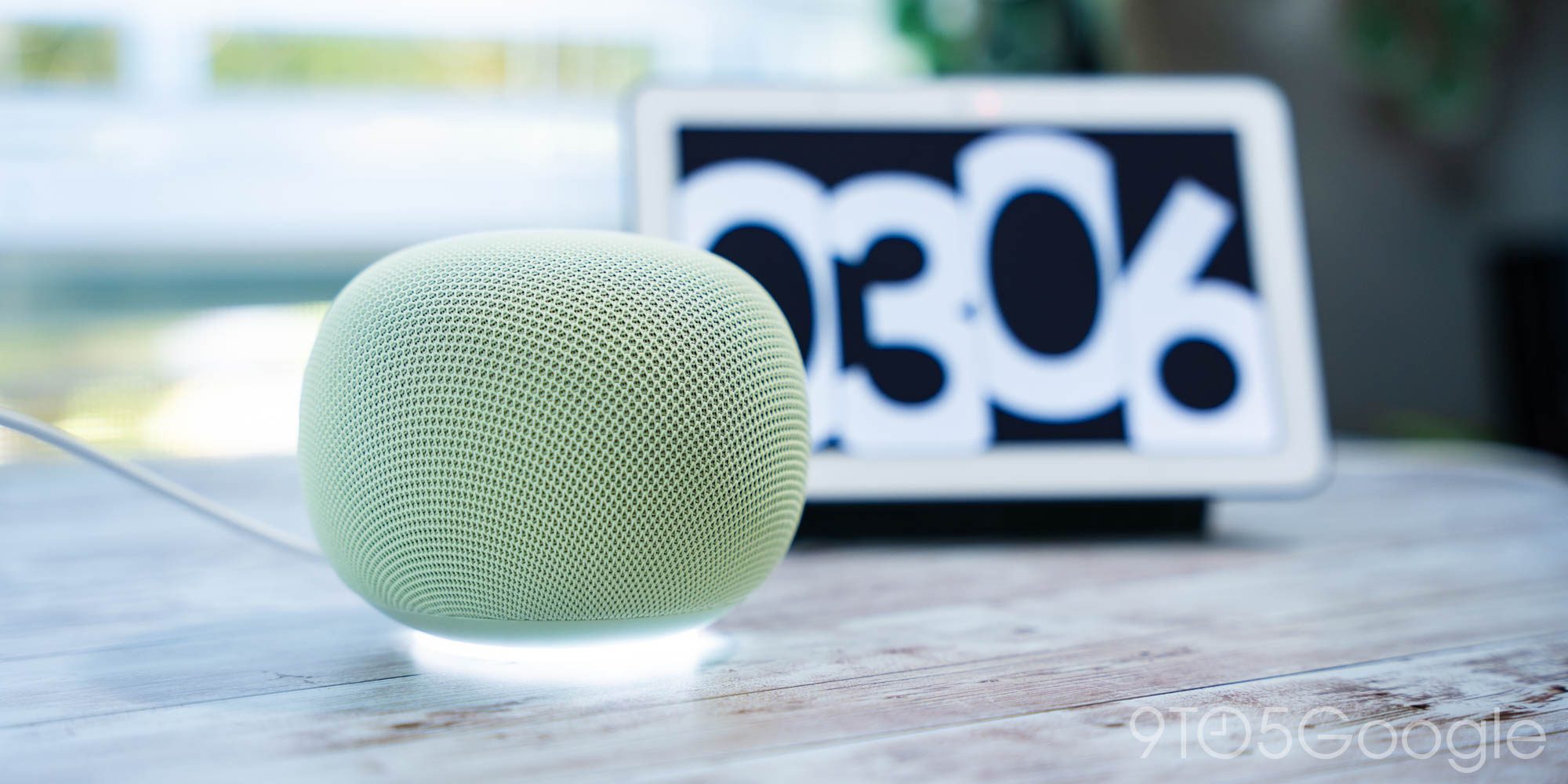
Discussions are emerging about integrating advanced audio features, enhanced privacy controls, and more intuitive user interfaces into future display devices. Ideas include displays with improved sound architecture, perhaps drawing from the audio quality and spatial audio capabilities of the new Google Home Speaker. Furthermore, speculation suggests potential for modular designs or more robust contextual awareness through on-device artificial intelligence.
However, the core challenge for a new Google Home Display will be to differentiate itself from existing smart displays while leveraging the strengths of the new speaker. The focus could shift towards ambient computing, where the display provides glanceable information without demanding constant attention. This approach would complement the audio-first interactions of the Google Home Speaker.
Google’s current smart display lineup, including the Nest Hub Max and Nest Hub (2nd Gen), primarily serves as visual interfaces for smart home control, media consumption, and video calls. The Google Home Speaker’s emphasis on audio quality and potentially deeper ambient computing features could pave the way for displays that are more integrated into daily routines without requiring constant visual interaction.
Meanwhile, other considerations for future Google Home Displays include improved camera technology for video conferencing and security, alongside enhanced sensor arrays for environmental monitoring. The integration of advanced gesture controls or even projected interfaces could also be explored. These developments aim to make smart displays more adaptable and less intrusive within the home environment.
Additionally, sustainability in design and manufacturing is becoming a significant factor. Future devices may prioritize recycled materials and energy-efficient operation, aligning with broader consumer-tech industry trends. The evolution of the Google Home Display is expected to reflect Google’s broader strategy for ambient intelligence.
