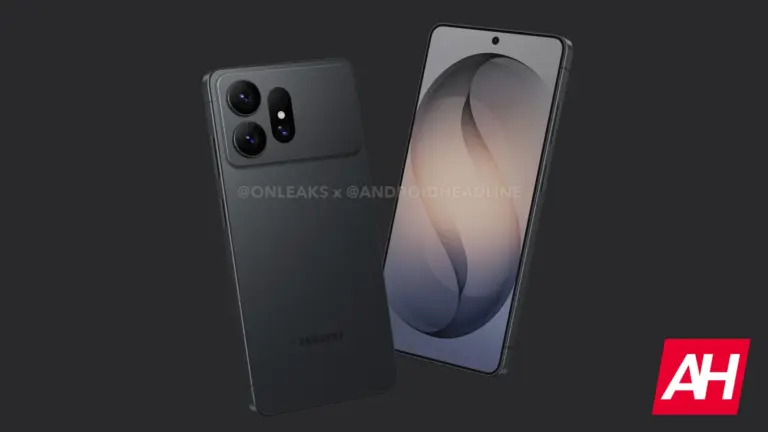
The tech industry is exploring how artificial intelligence (AI) agents could fundamentally change smartphone interaction, potentially moving beyond current app-based systems. This shift could redefine how users interact with digital services, offering a more intuitive, AI-driven personal assistance rather than a collection of disparate applications.
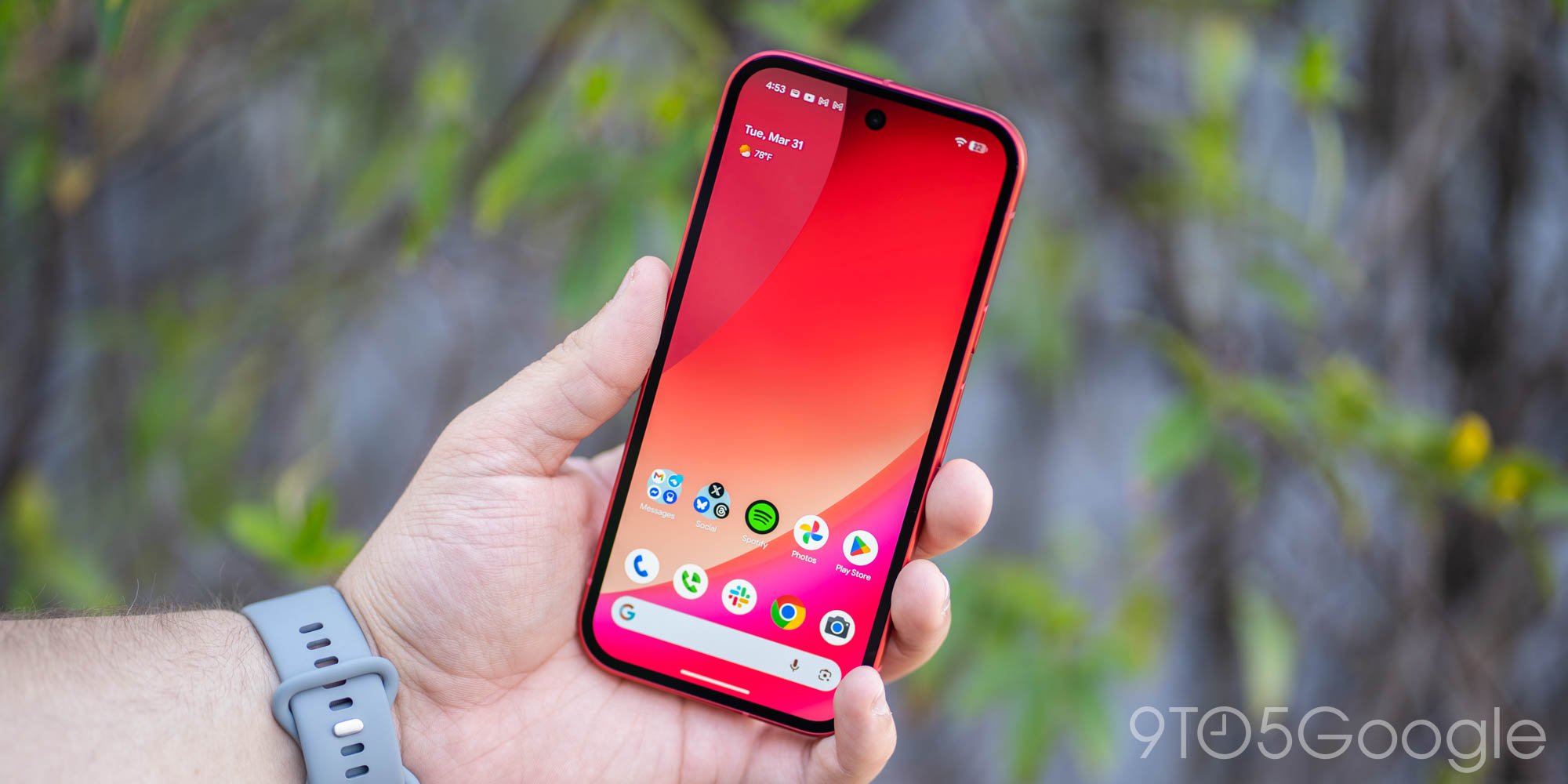
AI agents are envisioned as intelligent systems capable of understanding complex commands and performing multi-step tasks autonomously. For instance, instead of opening multiple applications to plan a trip, an AI agent could book flights, reserve hotels, and schedule transportation based on a single, conversational request. This capability moves beyond the limitations of current voice assistants, which typically handle one-off commands and require users to specify applications.
Furthermore, these agents could proactively manage user information and preferences across various digital platforms. They might anticipate needs, offer personalized recommendations for dining or entertainment, and streamline daily routines without direct user prompting. This level of integration aims to reduce cognitive load, automate repetitive tasks, and enhance overall efficiency for the user.
Advancements Driving the Shift
The concept builds on the increasing sophistication of generative AI models, which power many of today’s advanced AI tools. Companies like Google AI and OpenAI continue to develop AI that can generate text, images, and code. These foundational advancements are critical for creating agents capable of complex reasoning and execution.
However, the transition to AI agent-centric mobile experiences presents significant challenges. Key concerns include ensuring robust data privacy, maintaining digital security, and providing users with clear control over their personal information. Developers are actively working to balance the expanding power of AI with essential ethical considerations and user transparency.
Meanwhile, the potential for AI agents to replace or augment smartphone functions has led to discussions about new hardware designs. Devices could shift from traditional screens to more ambient, context-aware interfaces that prioritize seamless, AI-driven assistance. This represents a potential paradigm change in consumer technology, moving towards intelligent companions that anticipate and execute user needs, rather than merely hosting applications.
The long-term impact on the mobile industry could involve a re-evaluation of app ecosystems and the development of new interaction models. As AI capabilities advance, the distinction between a dedicated phone and a pervasive AI agent may continue to blur.