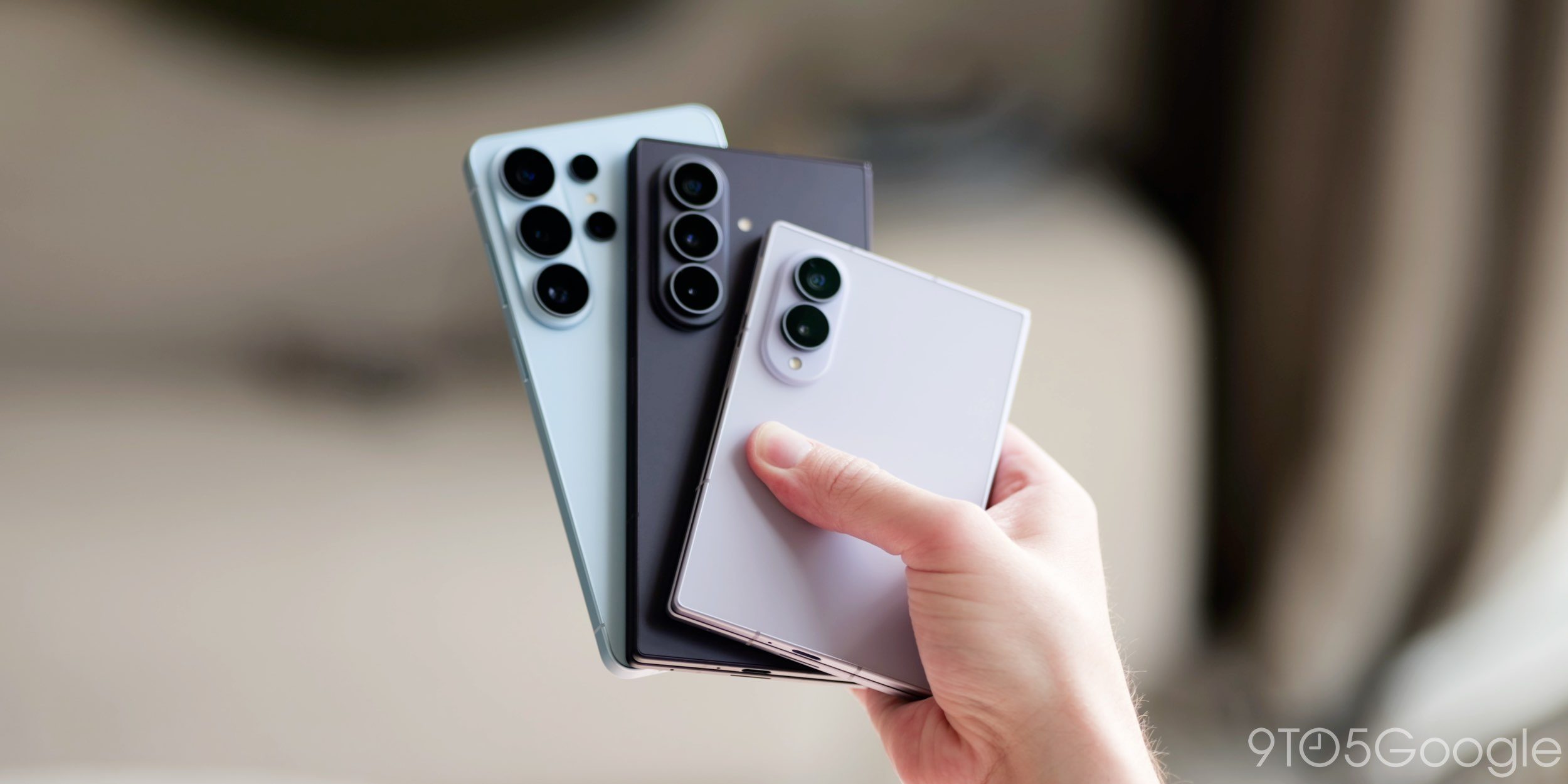
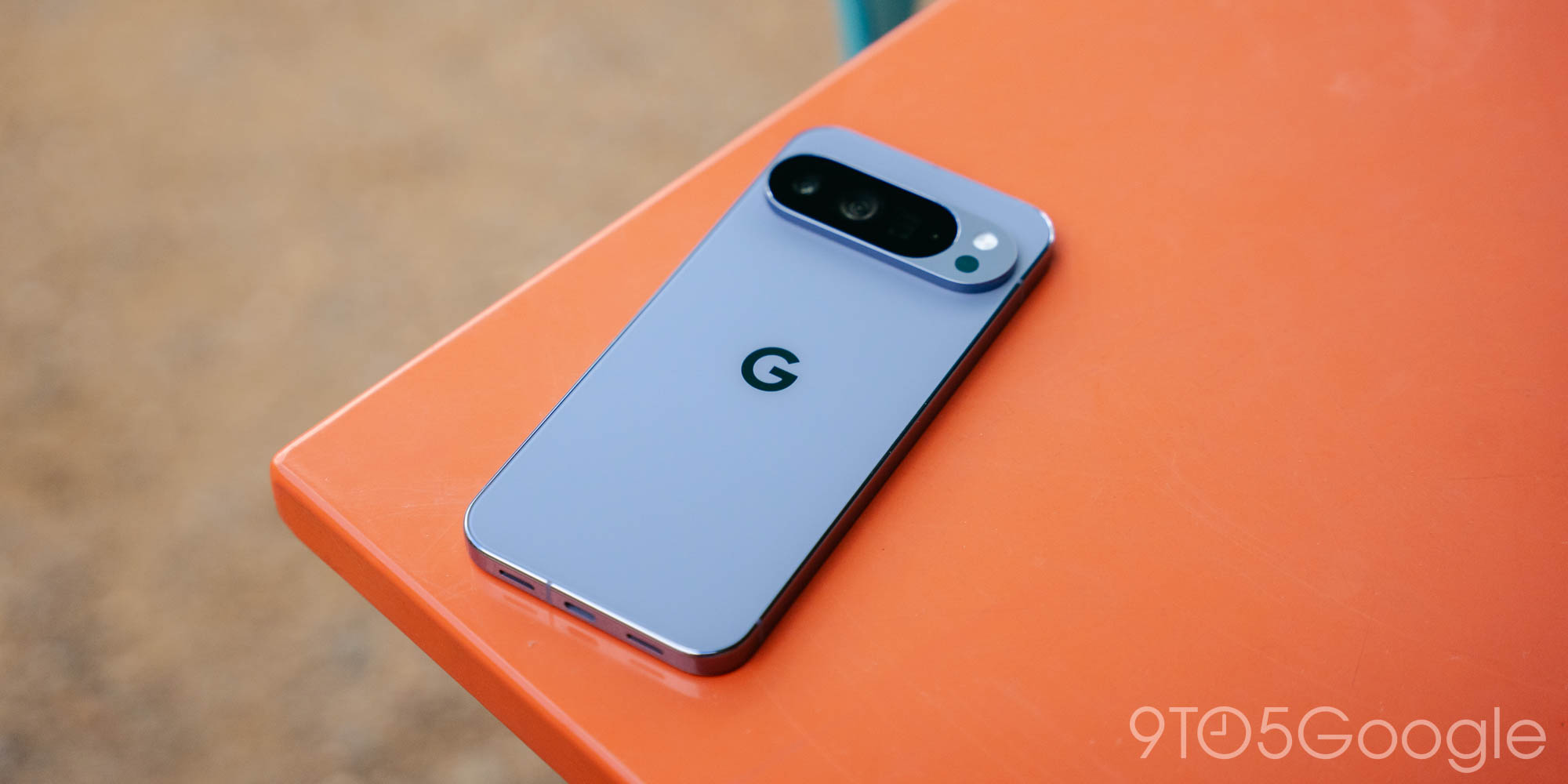
The value proposition for new Android phone upgrades has diminished, leading consumers to consider purchasing last year’s flagship models instead. This trend stems from increasing component costs and limited generational performance improvements, according to a recent report.
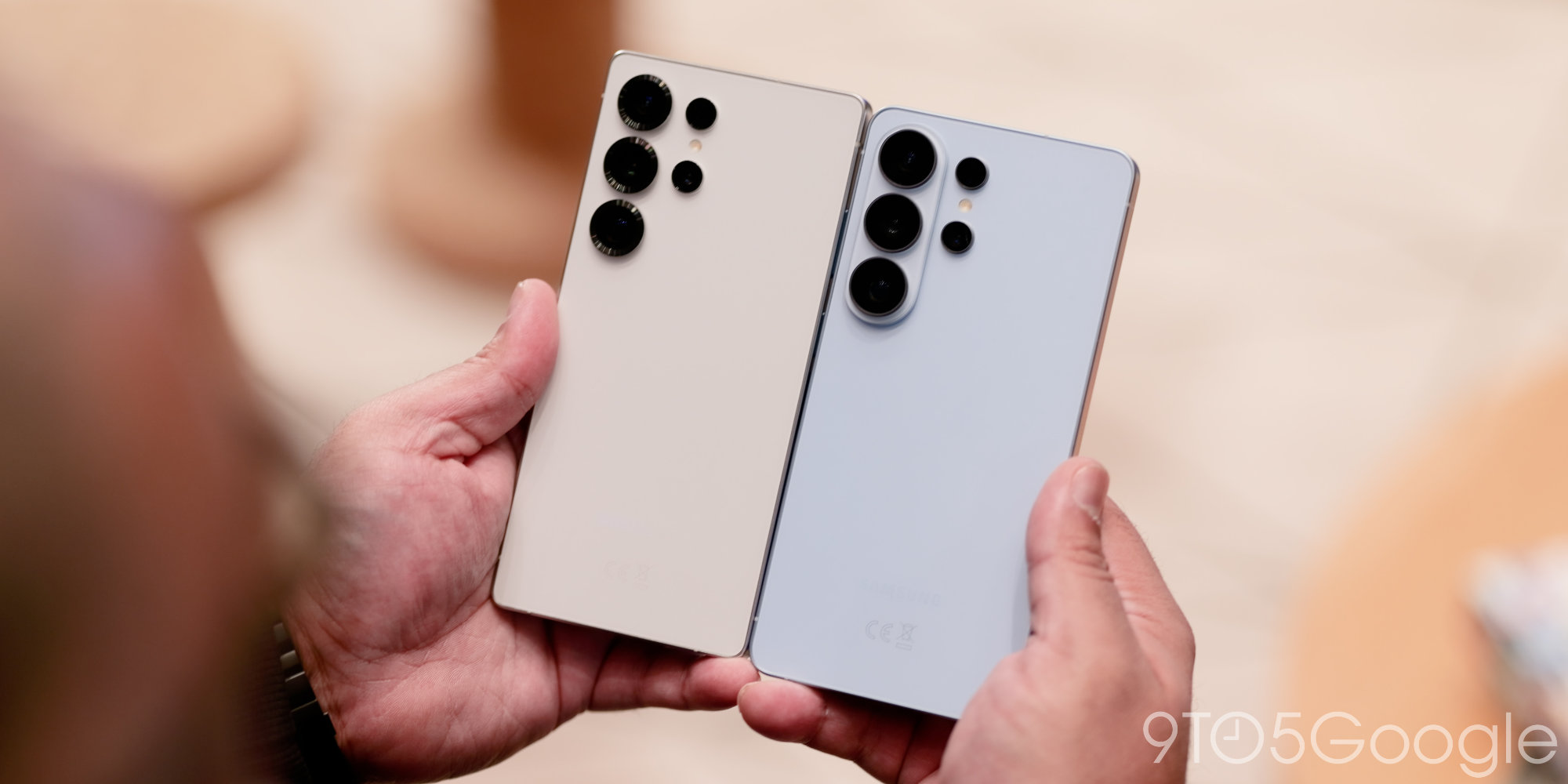
The current smartphone market faces what analysts are calling “RAMageddon,” a phenomenon where rising memory (RAM) prices significantly impact manufacturing costs. This issue, initially noted for its effect on gaming PC builds, now extends to practically all consumer electronics, including Android smartphones.
Consequently, these escalating component prices translate into higher retail prices for new Android phone models. Consumers are finding that the incremental performance gains and new features in the latest devices do not always justify the increased cost compared to their predecessors. Many previous-generation hardware options now offer comparable user experiences at a more accessible price point.
For instance, a high-end Android phone released in the previous year might feature a powerful processor, advanced camera systems, and robust battery life that closely match or exceed the needs of many users. These devices often receive extensive software support, including security updates and major operating system upgrades, extending their practical lifespan. This makes investing in a slightly older model a more economical choice without sacrificing significant functionality. Major manufacturers like Samsung and Google continue to provide software updates and support for their recent older devices, extending their viability.
The broader tech industry has seen a general increase in supply chain expenses and raw material costs. This global trend impacts pricing strategies across the entire consumer electronics sector, including key component suppliers like Qualcomm. As a result, the traditional incentive to upgrade annually or biennially is weakening for many users seeking value in their mobile technology investments. This shift encourages a longer device ownership cycle, potentially altering future product release strategies for smartphone manufacturers.