Android smartphones could soon integrate advanced under-display face unlock technology, according to a recent report. This development emerges as Google’s forthcoming Pixel 11 is not expected to include new hardware for its face unlock system.
The new under-display face unlock solution, known as Polar ID, is under development by Metalenz. This technology aims to offer secure biometric authentication without requiring notches or punch-holes in smartphone displays, potentially enabling truly full-screen designs for Android phones.

Polar ID utilizes a low-profile near-infrared polarization camera combined with meta-optics technology. This system captures the unique “polarization signature” of a human face, providing an additional layer of information for security. The technology is designed to detect sophisticated 3D masks and other spoofing attempts, ensuring robust biometric security.
Metalenz has partnered with United Microelectronics Corporation (UMC) for the mass production of Polar ID. This collaboration aims to bring a compact, cost-effective, and secure face authentication solution to a wide range of consumer electronics, including mobile and IoT platforms.
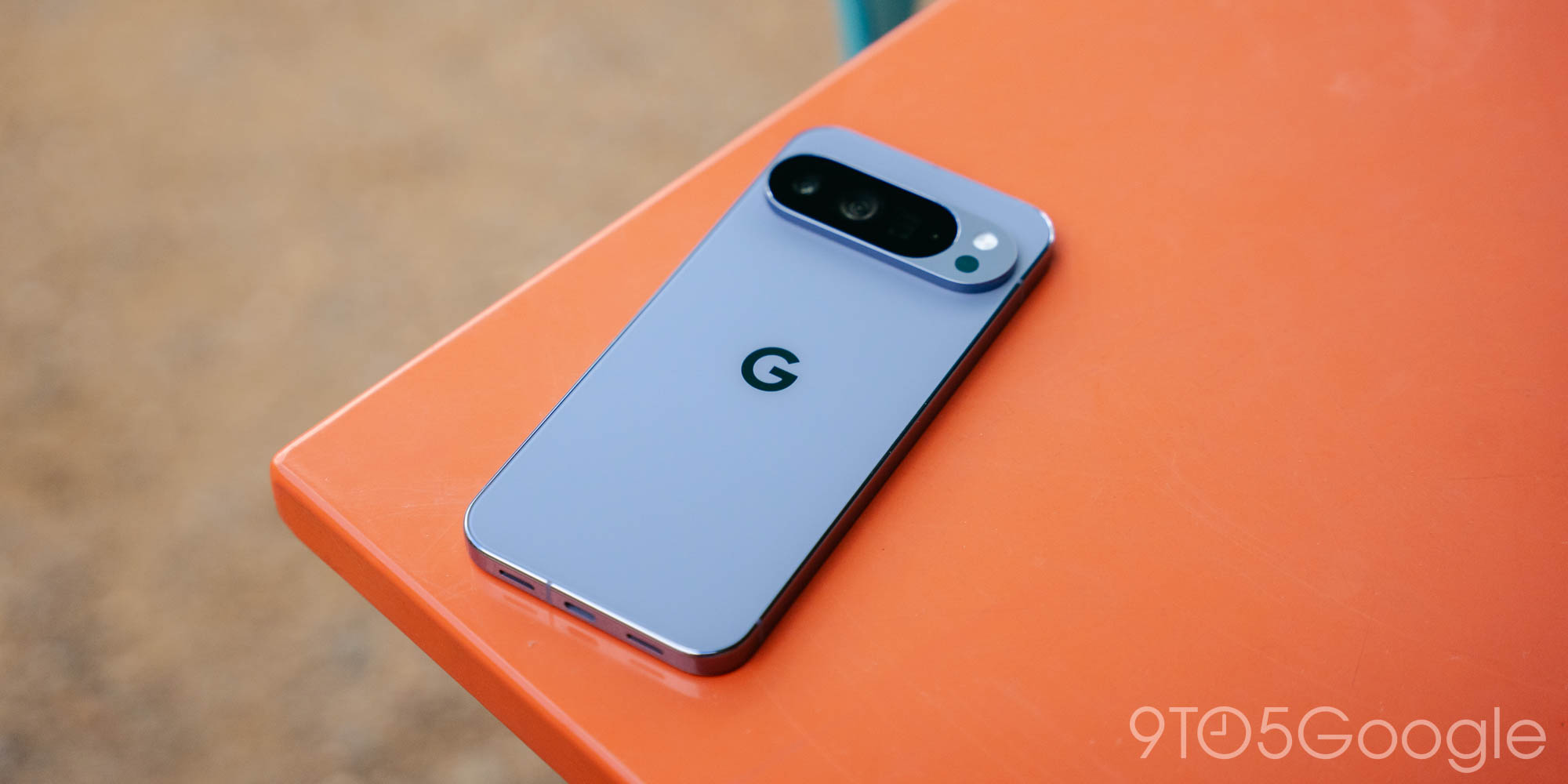
Meanwhile, the upcoming Google Pixel 11 is reportedly not slated to receive new face unlock hardware, as per the 9to5Google report. Google previously offered robust face unlock on the Pixel 4, but subsequent Pixel models have primarily relied on fingerprint sensors and front-facing cameras for facial recognition.
The introduction of Polar ID could address the demand for advanced biometric security on Android devices, offering an alternative to existing methods. This technology could facilitate more seamless user experiences and enhanced privacy features across the Android ecosystem.
For more information on the company developing this technology, visit the Metalenz website. Details on current Google smartphones can be found on the Google Pixel phones page.