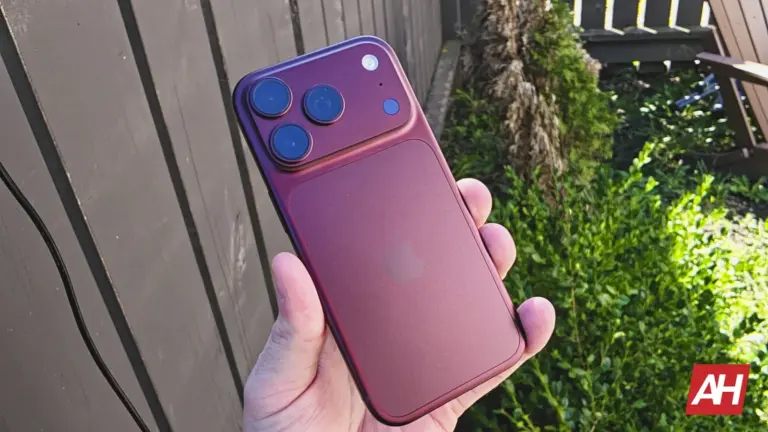
A significant security concern affecting iPhone users with tap-to-pay functionality has recently resurfaced, but there’s good news for Android device owners: your phones are not at risk. This particular iPhone tap-to-pay vulnerability, known for about five years, allows for unauthorized transactions even when an iPhone’s battery is dead or the device is locked.
Understanding the iPhone Tap-to-Pay Vulnerability
The vulnerability primarily affects iPhones that have a Visa card set up with Apple Pay’s ‘Express Transit Mode’. This mode is designed for convenience, allowing users to make quick payments at transit terminals without needing to unlock their device or authenticate with Face ID, Touch ID, or a passcode. Furthermore, iPhones equipped with this feature can utilize a ‘Power Reserve’ mode, which enables certain functions, including Express Transit payments, for up to five hours even after the battery is critically low or appears completely drained.
How the Vulnerability Works
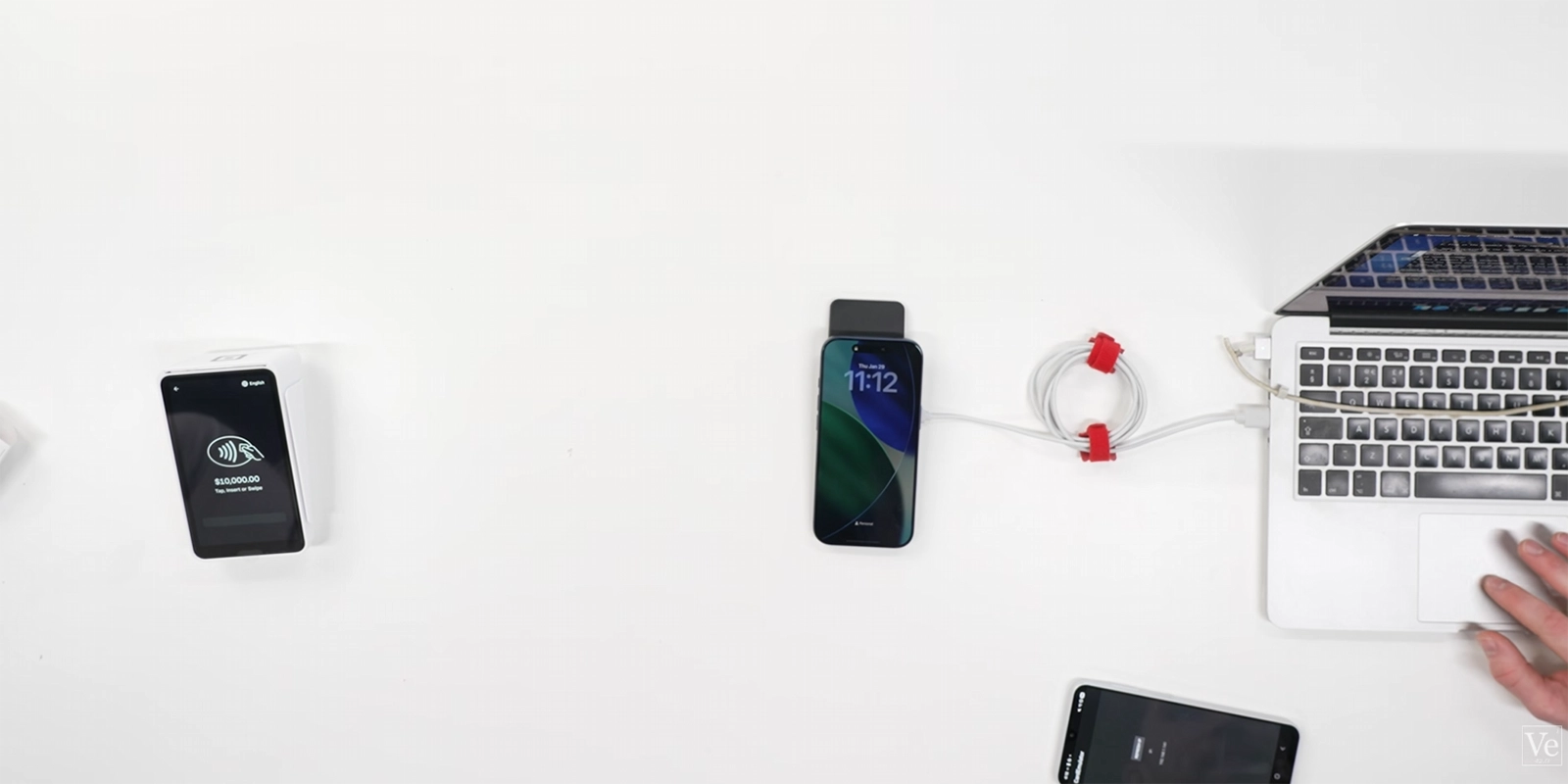
As highlighted in a detailed video by popular YouTube channel Veritasium, the exploit involves tricking the iPhone into believing it’s interacting with a mass transit terminal. Using specialized radio equipment, attackers can intercept communication between the iPhone and a payment terminal. By broadcasting a unique code typically used by transit gates, dubbed ‘magic bytes,’ they can bypass the iPhone’s lock screen and security requirements. This method then allows for large, unauthorized purchases to be processed through a standard shop card reader, without the user’s knowledge or authentication. This specific flaw is a concern when Visa cards are used in conjunction with Apple Pay’s Express Transit feature; it does not affect Mastercard or other card providers, nor does it affect Visa cards used outside of Express Transit mode.
Why Android Users Are Safe
Fortunately, Android phones are not susceptible to this particular security flaw. The difference lies in how Android devices handle NFC (Near Field Communication) payments and their security protocols. While Android phones also offer tap-to-pay features through services like Google Wallet (formerly Google Pay), their implementation of ‘transit modes’ and ‘power reserve’ features differs significantly from Apple’s. Android typically requires user authentication, such as a PIN, passcode, or biometrics, for most transactions, especially those exceeding a small, predefined limit.
Additionally, the specific interaction between Apple Pay’s Express Transit mode and Visa’s payment processing is central to the iPhone vulnerability. Android’s NFC payment systems are designed with different safeguards, preventing this type of bypass. For instance, some Android devices or payment apps like Samsung Pay are known to flag or decline large purchases made via transit modes.
What This Means for You
For Android users, you can continue to use your device for contactless payments with confidence, knowing that this specific iPhone vulnerability does not impact your security. Services like Google Wallet are built with multiple layers of security, including tokenization, to protect your payment information.
If you are an iPhone user, especially one who uses a Visa card with Express Transit Mode, it’s advisable to be aware of this vulnerability. While both Apple and Visa acknowledge the issue, they have indicated that real-world exploitation is unlikely and that cardholders are protected by Visa’s zero-liability policy. Nevertheless, understanding how your mobile payments work can help you make informed decisions about your security settings.
Conclusion
While the revelation of a long-standing tap-to-pay vulnerability on iPhones has raised concerns, Android users can rest easy. The distinct security architectures of Android’s payment systems safeguard them from this specific exploit. It serves as a reminder that staying informed about mobile payment security is crucial for all smartphone users.