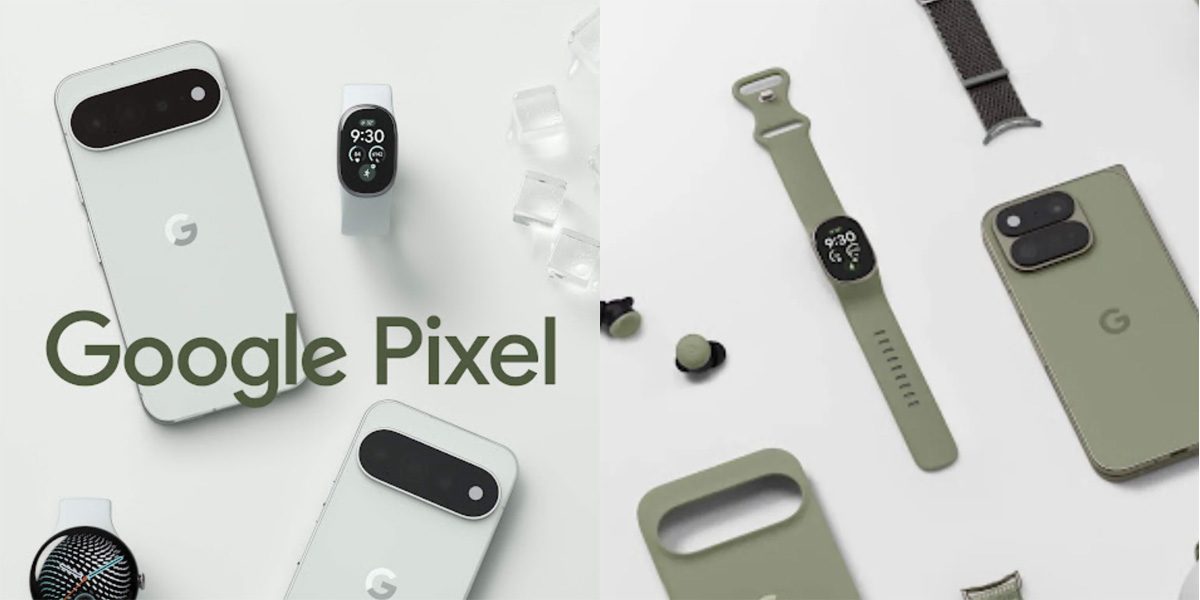
Fitbit, with the powerful backing of Google, is poised to launch a groundbreaking screen-less wearable, signaling a fresh challenge to established health trackers like WHOOP and Amazfit. This innovative device, recently teased by NBA superstar Steph Curry, promises to usher in a new era of discreet yet comprehensive health and fitness monitoring.
A New Approach to Health Tracking
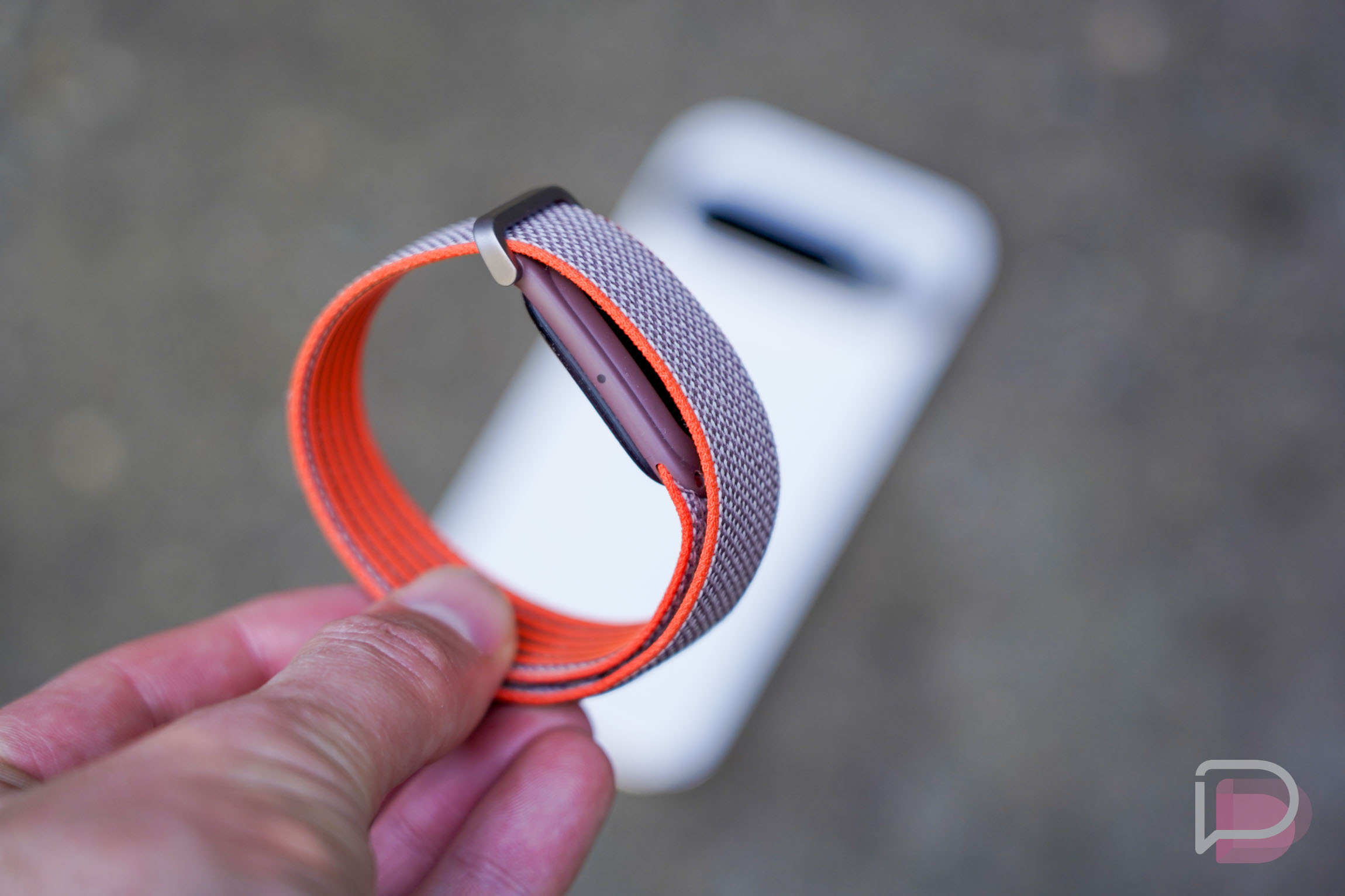
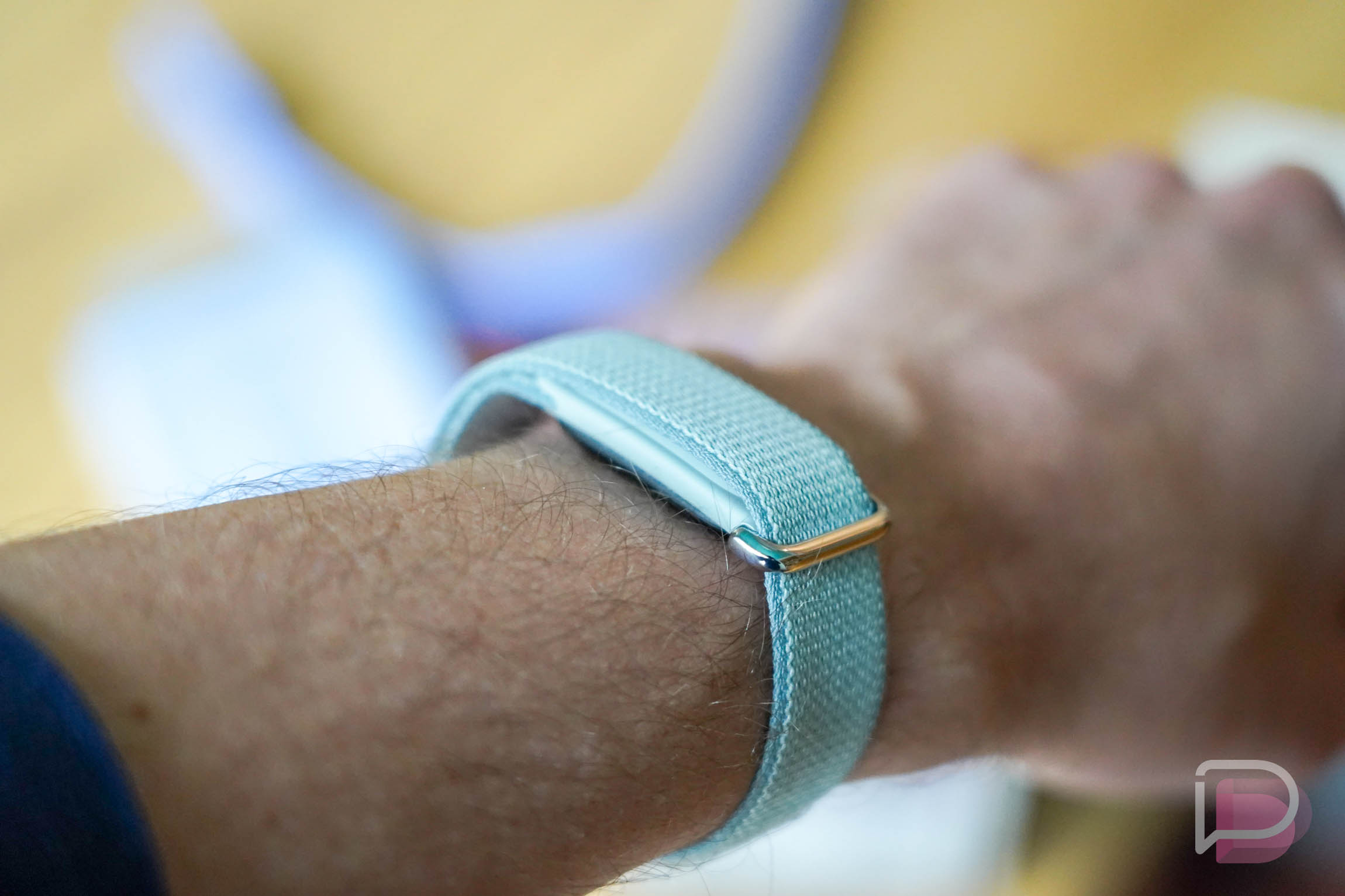
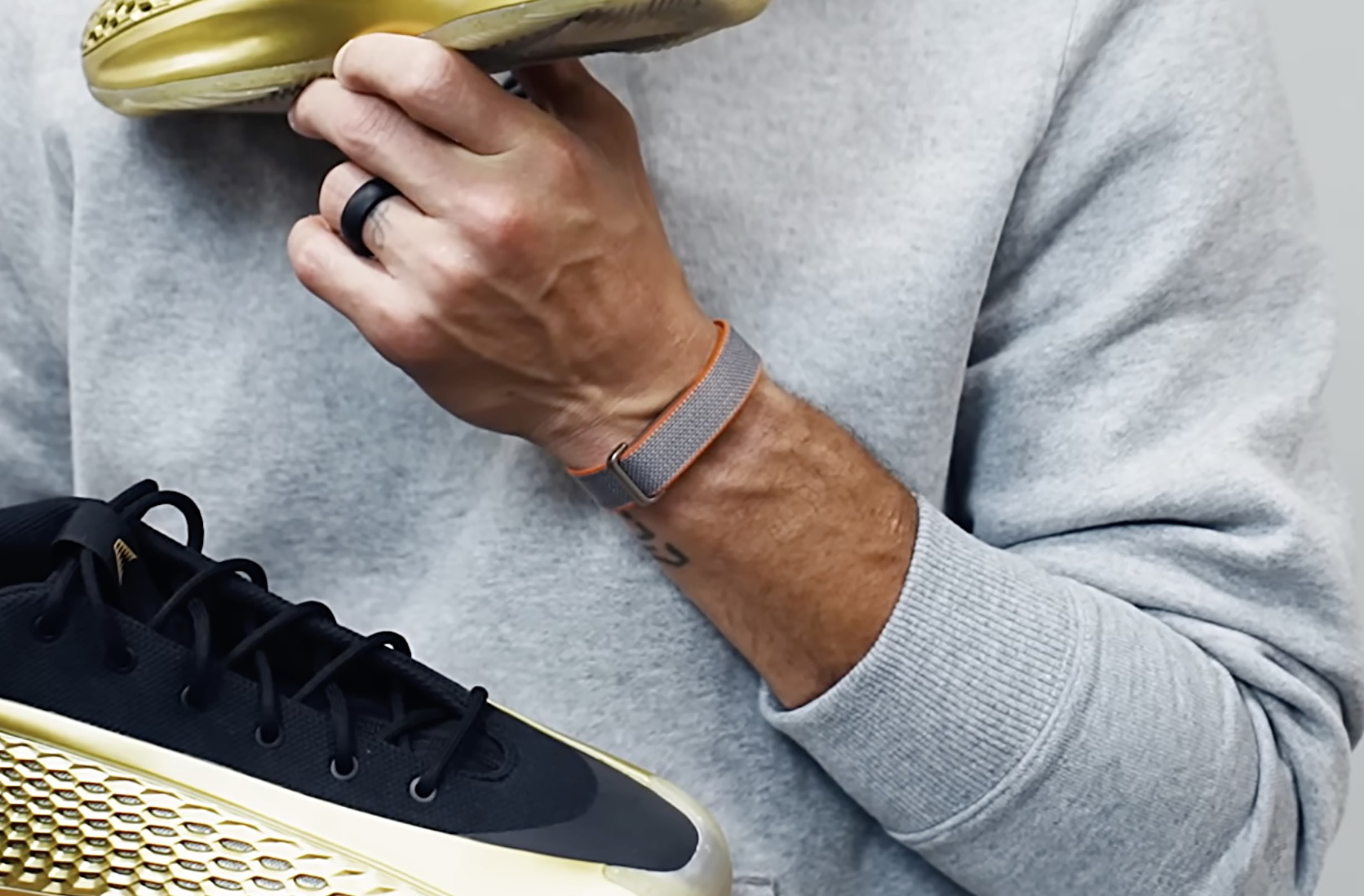
Unlike traditional smartwatches that feature vibrant displays, this upcoming Fitbit screen-less device is designed for continuous, passive data collection without distractions. Early glimpses, shared by Google Performance Advisor Steph Curry on his Instagram, reveal a sleek, minimalist wristband crafted from woven fabric, often seen in a stylish gray-and-orange combination. Curry himself expressed excitement, calling it a “first of its kind” for health and wellness.
This design choice emphasizes comfort for 24/7 wear, allowing users to forget they’re even wearing a tracker. All collected health insights will be seamlessly accessible through the revamped Fitbit app, which is expected to be enhanced with AI-driven capabilities.
Key Features and Competition
While official details are still emerging, the device is expected to offer core biometric tracking features right out of the box. Users can anticipate advanced monitoring for:
- Heart rate
- Sleep patterns and recovery
- Activity levels and energy expenditure
However, unlocking the full suite of advanced insights and personalized coaching will likely require a Fitbit Premium subscription. This hybrid model of device purchase plus an optional subscription sets it apart from WHOOP’s subscription-only approach.
The device is clearly targeting the growing market of discreet, performance-focused wearables, aiming directly at competitors such as WHOOP and the Amazfit Helio Strap. These rivals have gained popularity among athletes and health enthusiasts who prioritize in-depth data without the constant notifications of a smartwatch.
What This Means for Wearable Tech
Google’s move into the screen-less wearable space with Fitbit signifies a strategic shift. By focusing on specialized health trackers, Google is carving out a distinct role for Fitbit, differentiating it from the multi-functional Pixel Watch lineup. This allows Fitbit to leverage its strong heritage in fitness tracking while integrating Google’s advanced AI capabilities for richer, more personalized health insights.
Furthermore, the endorsement by a high-profile athlete like Steph Curry underscores the device’s potential appeal to serious fitness enthusiasts and professional athletes. It suggests a strong emphasis on performance, recovery, and holistic well-being, positioning Fitbit as a formidable contender in this niche yet rapidly expanding segment of the wearable market.
Conclusion
The upcoming Fitbit screen-less device represents an exciting evolution in personal health technology. By combining discreet design with powerful, AI-driven insights and Google’s extensive ecosystem, it promises a truly immersive and distraction-free health tracking experience. As the launch approaches later in 2026, the tech world eagerly awaits to see how this innovative wearable will redefine our relationship with health and wellness.