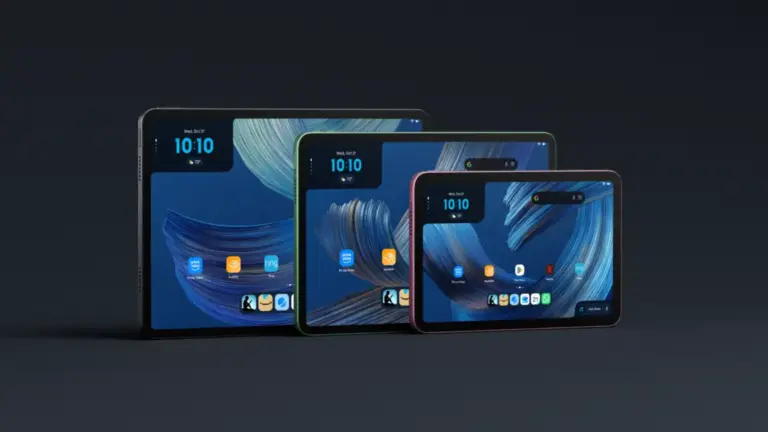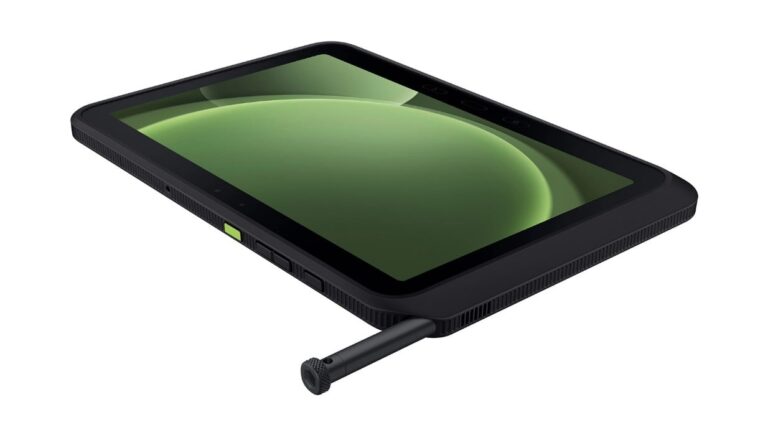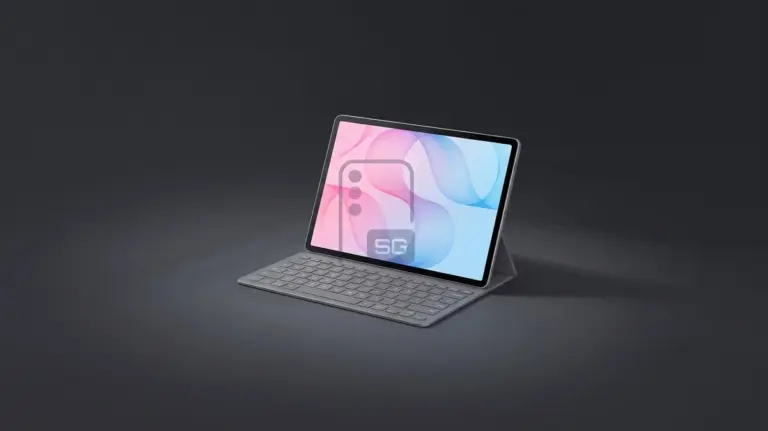
Android tablets are having a comeback moment in late 2026, with Samsung, Lenovo, Amazon and RedMagic all shipping new models in recent months. But nearly every major release is leaning toward bigger screens, not smaller ones, raising the question of who these devices are actually built for.
Key points
- to5Google's Ben Schoon says Android tablets are experiencing a resurgence after years of stagnation.
- Samsung keeps its 14.6-inch Galaxy Tab S11 Ultra on an annual cycle while smaller models now update every other year.
- Amazon's new Alexa Tablet lineup includes 8-inch, 11-inch and a 12-inch Pro model with Google Play support.
- The RedMagic Astra 2 gaming tablet features a 9.06-inch OLED display and starts around $749.
- Global tablet shipments rose just 0.1% in Q1 2026 before falling 10% in Q2 amid supply constraints.
The shift matters because it signals where manufacturers think the money is. After years of flat or declining interest in Android tablets, companies are betting heavily on large-format devices that can double as laptop replacements, even as some reviewers and longtime users say they’d rather carry something smaller.
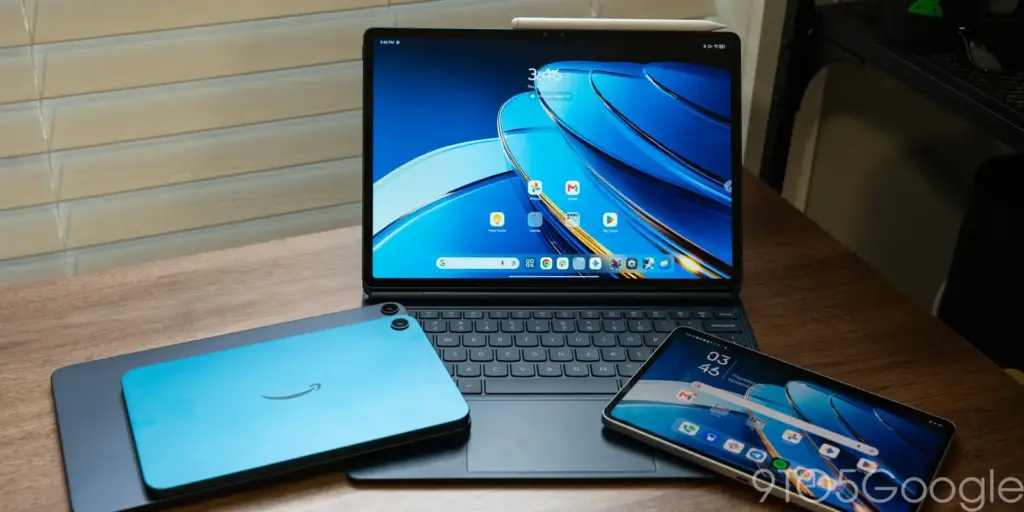
9to5Google’s Ben Schoon, writing in the 9to5Google Weekender newsletter, said he’s had a wave of tablets arrive in his office over the past few weeks, including the RedMagic Astra 2, new Lenovo and Amazon models, and the Galaxy Tab S12 Ultra, which a colleague has been testing separately. “Android tablets have always been a bit of a touchy subject, but it’s abundantly clear that the form factor is making a comeback,” Schoon wrote. “But, as someone who’s a fan of the smaller sizes, are you actually using the gargantuan Android tablets that every company seems obsessed with?”
Samsung’s Ultra Keeps Growing While Smaller Models Slow Down
Samsung’s Galaxy Tab S11 Ultra carries a 14.6-inch Dynamic AMOLED 2X display running at 120Hz, paired with a Dimensity 9400+ chipset, an 11,600mAh battery, and configurations reaching 1TB of storage with 16GB of RAM. The standard Galaxy Tab S11 drops to an 11-inch AMOLED screen and an 8,400mAh battery. Samsung also cut the mid-size Plus model from this generation’s lineup entirely, according to the company’s own Galaxy Tab S11 product page.
Schoon noted that Samsung appears committed to keeping the 14.6-inch Ultra on an annual refresh cycle, while the smaller sizes now update only every other year. That’s his own observation based on release patterns rather than a statement from Samsung, but the Tab S Ultra line has pushed large-screen hardware since the Tab S8 Ultra debuted roughly four years ago.
Amazon And Lenovo Chase The Laptop Replacement Pitch
Amazon’s new Alexa Tablet lineup brings Google Play support across three sizes: an 8-inch base model, an 11-inch middle tier, and a 12-inch Pro version with the most powerful specs and an anti-glare display. Schoon said unboxing the 8-inch model made clear it isn’t a premium device, with a screen that felt like a step down compared with the 4K display on the Lenovo Yoga Tab Plus Gen 2.
Pricing tells a similar story about where these companies see demand. The Alexa Tablet 12 Pro runs around $550, the Lenovo Yoga Tab Plus Gen 2 sits at $799, and the Galaxy Tab S12 Ultra lists at $1,400 before adding a $200 keyboard accessory. Schoon said he understands the appeal of the first two as laptop alternatives, thinner, lighter, with longer battery life, but called the Tab S12 Ultra’s combined price a harder sell.
A Smaller Gaming Tablet Takes A Different Approach
Not every new release follows the big-screen trend. The RedMagic Astra 2 gaming tablet packs a 9.06-inch 2.4K OLED display with refresh rates up to 185Hz, a Snapdragon 8 Elite Gen 5 paired with a RedCore R4 chip, up to 16GB of RAM and 512GB of storage, and an 8,300mAh battery with 75W charging. It runs RedMagic OS 11.5 on Android 16 and uses what the company calls AquaCore liquid cooling 2.0 to manage heat during extended gaming sessions, according to the RedMagic Astra 2 spec sheet.
Pricing for the Astra 2 varies by region and retailer. RedMagic’s U.S. site lists it starting at $749, while other listings show a $699 entry point with limited stock. The predecessor Astra launched in July 2025 at an early-bird price of $469 before settling at a $499 MSRP, giving some sense of how pricing has crept upward for this smaller form factor.
Market Numbers Show A Mixed Recovery
Industry tracking data backs up the sense that the category is rebounding unevenly. Global tablet shipments rose just 0.1% in the first quarter of 2026 to 37 million units, then fell 10% in the second quarter as component supply constraints and rising prices weighed on demand. Android tablets overall closed 2025 at 162 million units shipped, with 2026 bringing what one tracker described as a mixed picture shaped by memory-driven cost pressure and steady demand for stylus-equipped models.
Schoon said he personally gravitates toward 10-inch or 11-inch tablets for travel, using them as an alternative to draining his phone’s battery, while reaching for a laptop whenever he needs a bigger screen. He argues that a large tablet, regardless of specs, rarely replaces a proper laptop for him, making the idea of carrying both feel like more trouble than it’s worth. Whether that view holds for the broader market is less clear, given how many brands keep pushing larger screens as the flagship option each year.
For anyone managing a tablet alongside a phone, small usability fixes can make the juggling easier, like learning how to quickly switch keyboard input methods on Android or how to show the keyboard switcher button on the Android navigation bar. Tablet owners who also rely on wireless earbuds or a smartwatch might find it useful to know how to find a lost Bluetooth device on Android when a paired accessory goes missing between devices.