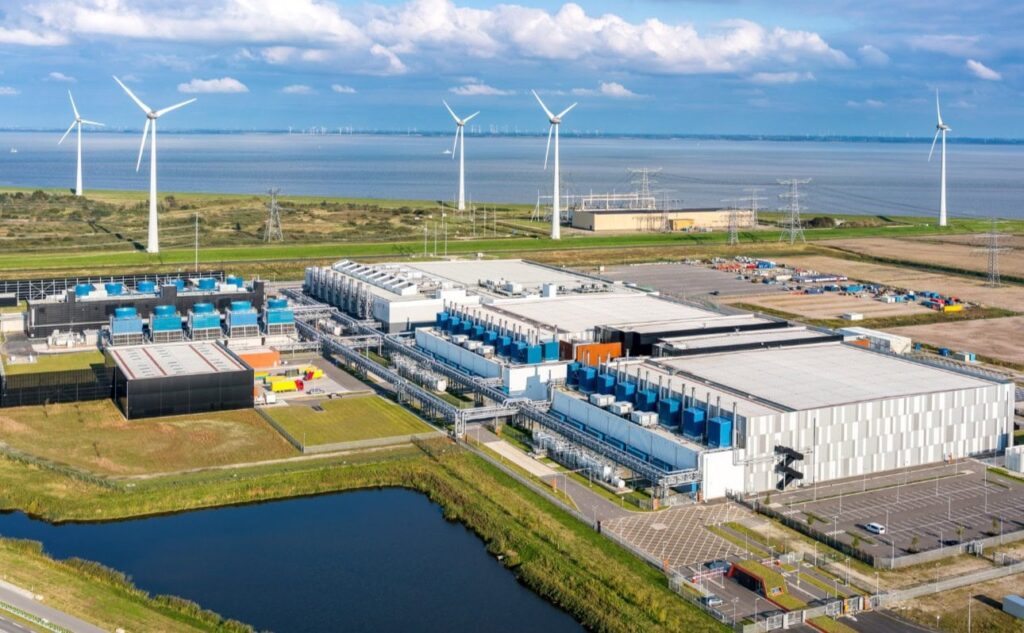
A group of Senate Democrats sent formal inquiries to Amazon, Alphabet, Meta, and Microsoft demanding itemized records of AI tax deductions claimed on data centers and server equipment, lawmakers announced this week.
Key points
- Senate Democrats gave four tech companies until mid-October to submit itemized lists of AI hardware write-offs.
- The 2025 One Big Beautiful Bill Act allows companies to fully deduct data center equipment costs in the first year.
- Federal corporate tax receipts fell 23% to 25% this year, leaving an estimated $96 billion revenue shortfall.
- Meta reduced its federal tax payment from $9.6 billion in 2024 to $2.8 billion in 2025.
Led by Sen. Elizabeth Warren, the inquiry asks tech executives to justify dropping federal tax contributions despite reporting record revenue during the generative artificial intelligence buildout. The lawmakers set a mid-October deadline for the companies to provide tax filings and lobbying records related to hardware deductions.
Discrepancies Between Tech Earnings and Corporate Tax Bills
Corporate regulatory filings show sharp reductions in federal payments despite robust quarterly earnings. In the second quarter of 2026, Amazon posted $200.6 billion in revenue, Alphabet reported $119.8 billion, Microsoft reached $90 billion, and Meta registered $60.8 billion.
Federal tax contributions declined across the group over the previous tax year:
- Amazon: Paid $7.8 billion less in federal tax year-over-year.
- Alphabet: Reduced federal tax payments by more than $7 billion.
- Meta: Paid $2.8 billion in federal tax in 2025, down from $9.6 billion in 2024, despite flat annual profits.
- Microsoft: Lowered its federal tax bill by more than $11 billion while pretax income rose by $42.3 billion.
Bonus Depreciation and Research Credits Fuel Savings
The primary driver behind the reduced tax payments is the 2025 One Big Beautiful Bill Act. The statute made permanent 100% first-year bonus depreciation, an accounting rule allowing businesses to write off the entire purchase price of servers, networking hardware, and data center facilities immediately rather than spreading the expense over several years.
Tech companies have also paired immediate write-offs with the federal research and development tax credit created in 1981. In regulatory disclosures, Meta classified entire artificial intelligence data facilities as experimental models and categorized specialized accelerator chips as experimental supplies to qualify for the research credit.
Government budget analysts estimate these deductions contributed to a 23% to 25% decrease in overall federal corporate tax collections this year, creating a $96 billion deficit in expected government receipts.
Capitol Hill Scrutiny and White House Response
Senate investigators argue the rapid rise in commercial data center energy consumption increases electricity costs for residential utility customers while corporate tax reductions constrain federal spending for domestic assistance programs.
The administration offered a counterpoint to the legislative probe. White House spokesperson Kush Desai stated that full expensing for capital equipment encourages economic expansion, creates technical employment, and maintains domestic private-sector investment.
The four technology companies must submit their internal tax breakdowns, depreciation schedules, and related federal lobbying disclosures to the Senate committee before mid-October.