




After serving users for over a decade, the familiar Google Assistant is entering its “end-of-life” phase, marking a significant transition in Google’s AI strategy. This isn’t a sudden shutdown, but rather a strategic evolution as Google shifts its focus to Gemini, its powerful new generative AI model. Millions of users worldwide will soon experience a new kind of intelligent assistance.
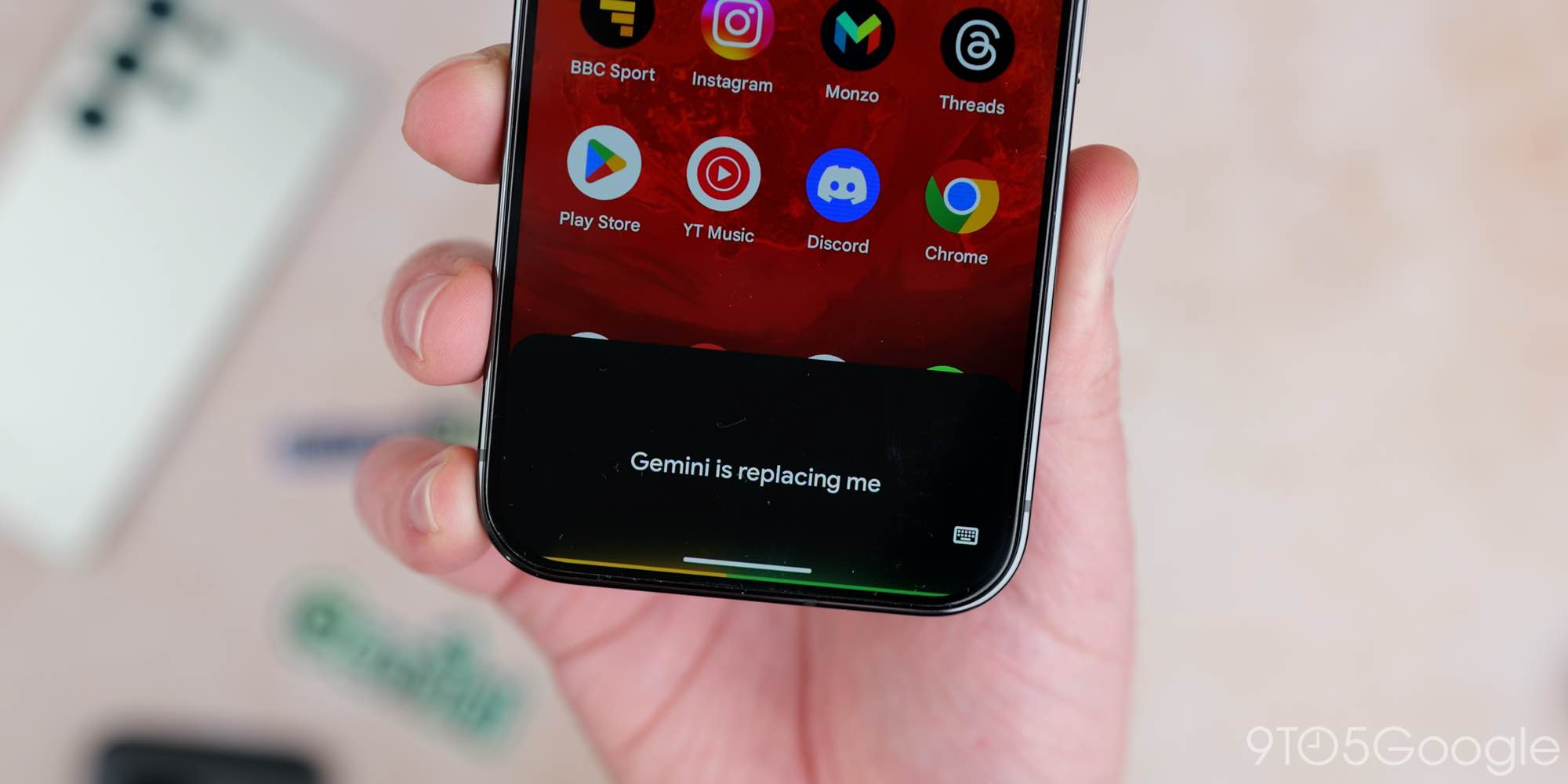
The Era of Google Assistant Ends, Gemini Rises
The Google Assistant, first launched in 2016, has been a cornerstone of Android and smart home devices for nearly ten years. It allowed users to control their gadgets, get answers, and manage daily tasks with simple voice commands. However, the tech giant is now moving towards an AI-first future, with Gemini at the forefront.
Why the Change? A Shift to Generative AI
Google’s decision to replace the Google Assistant stems from the rapid advancements in generative AI. Gemini, introduced in 2023, is designed for a new era of conversational computing. It offers more natural, fluid interactions and a deeper understanding of context compared to the Assistant’s command-based structure.
Gemini boasts advanced capabilities that go beyond basic queries. It can handle complex tasks like creative writing, problem-solving, and even coding. Features such as Gemini Live enable free-flowing, multimodal conversations, while Deep Research can transform it into a personal research assistant. These functionalities were simply not possible with the Assistant’s older technology.
What This Means for Your Devices
The New Timeline for Transition
Initially, Google aimed to complete the transition from Assistant to Gemini on most mobile devices by the end of 2025. However, to ensure a smoother experience for users, this timeline has been adjusted. The classic Google Assistant will now remain available for use on most mobile devices until March 2026.
Later in 2026, the standalone Google Assistant will no longer be accessible on most mobile devices or available for new downloads from app stores. The work to upgrade users to Gemini will continue throughout this period.
Impact Across Your Google Ecosystem
This transition will affect a wide range of devices. Your Android phones, tablets, cars (via Android Auto), headphones, and smartwatches running Wear OS are all slated to receive the Gemini upgrade. Furthermore, smart speakers, displays, and TVs are also part of this shift, with Gemini for Home expanding globally.
Crucially, core functionalities you rely on, such as controlling smart home devices, setting routines, playing music, and managing daily schedules, will be supported by Gemini. However, older devices that do not meet the minimum hardware requirements for Gemini may continue to retain access to the Google Assistant for the foreseeable future.
Navigating the Transition: What to Expect
As the transition unfolds, users can expect a more conversational and context-aware AI experience. Google is continuously working to improve Gemini, especially for home devices, with recent updates focusing on faster response times and better understanding of device commands.
However, some users have noted initial differences, such as the absence of a “Continued Conversation” feature in Gemini for Home, which was popular with the Assistant. Google is actively addressing feedback and refining Gemini’s capabilities to ensure a comprehensive and helpful experience across all platforms. You can learn more about Google Gemini on its official page.
Why It Matters
This shift from Google Assistant to Gemini represents a fundamental change in how we interact with our devices. It underscores Google’s commitment to integrating advanced generative AI across its entire ecosystem, promising a future where our digital assistants are more intuitive, proactive, and capable of understanding our needs in a truly human-like way. The era of a smarter, more personal AI is here.
Source
