




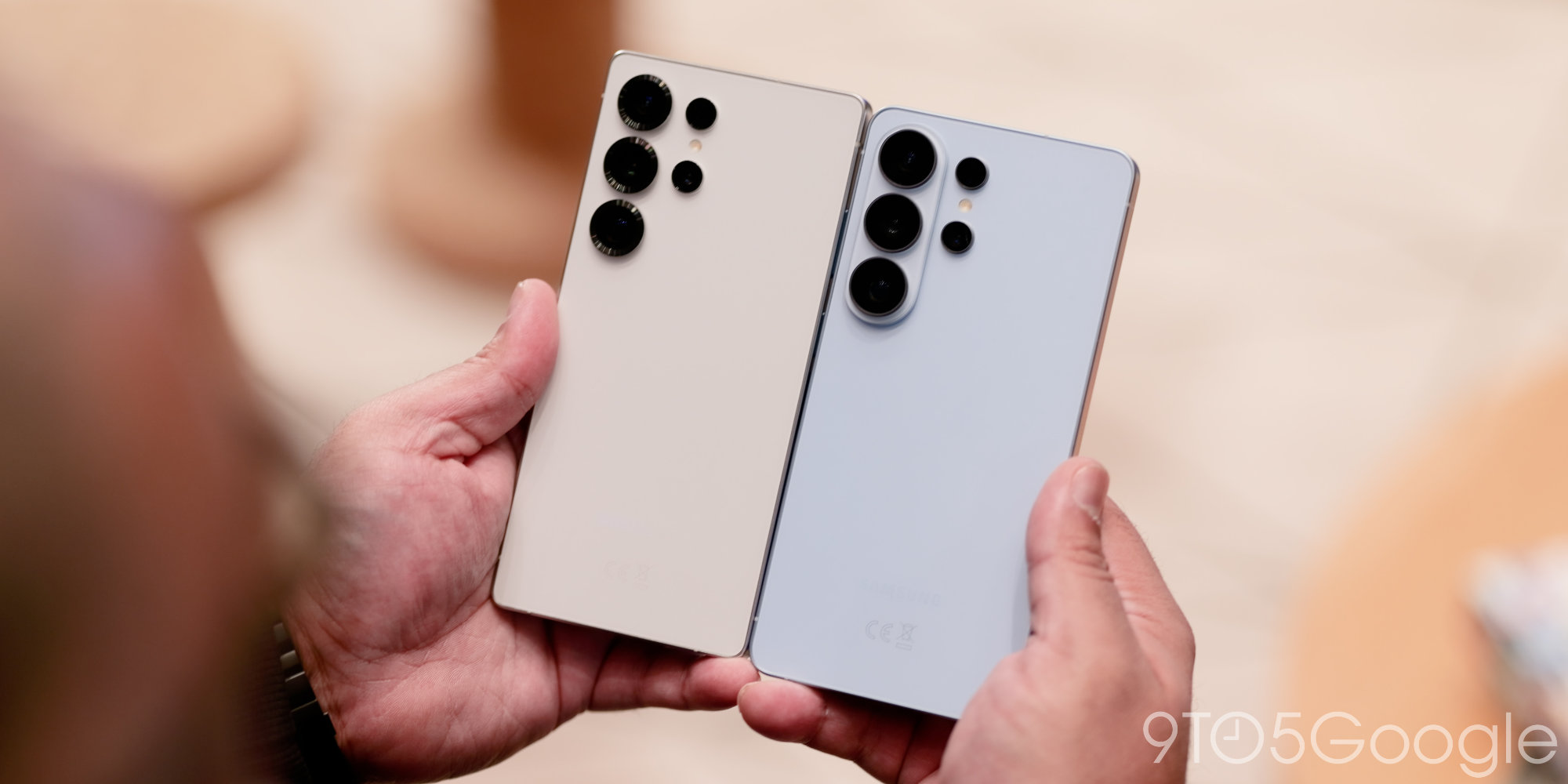
Samsung’s latest flagship, the Galaxy S26 series, has made an impressive debut, defying market expectations. In its first three weeks, the new lineup has reportedly outsold its predecessor, the Galaxy S25 series, by a significant 29% in the US. This strong performance comes at a time when the smartphone industry is grappling with considerable challenges.
This remarkable surge in Galaxy S26 sales is particularly noteworthy given the current climate. Many smartphone brands are facing a rocky 2026, largely due to an ongoing crisis involving RAM, a crucial memory component. The market is experiencing widespread RAM shortages and subsequent price hikes.
Defying Market Trends
The 29% sales increase for the Galaxy S26 series over the S25 in its initial three weeks highlights Samsung’s resilience and strong market position. While specific model breakdowns are still emerging, data from Counterpoint Research indicates that the high-end Galaxy S26 Ultra is a significant contributor to these impressive figures, accounting for 71% of total S26 series sales.
Furthermore, this success contrasts sharply with the broader industry outlook. Many analysts predicted a difficult year for smartphone manufacturers due to supply chain issues. Samsung’s ability to not only maintain but significantly grow its sales volume under these conditions is a testament to its product strategy and consumer appeal.
The Ongoing RAM Crisis Explained
The “RAM crisis” refers to a global shortage of Random Access Memory components, vital for a smartphone’s performance to run apps smoothly. These shortages have led to increased manufacturing costs for companies, which can translate to higher prices for consumers or reduced profit margins.
This situation puts immense pressure on manufacturers, forcing some to adjust production plans or even delay product launches. However, Samsung, with its extensive supply chain and in-house component manufacturing capabilities, appears to be navigating these challenges more effectively than many of its competitors. Samsung smartphones often leverage their vertically integrated production, which can provide a buffer against external supply shocks.
What This Means for the Smartphone Market
Samsung’s strong performance with the Galaxy S26 series sends a clear message about market leadership during turbulent times. For consumers, while other brands might struggle with availability or higher prices due to the RAM crisis, Samsung may be in a better position to offer competitive pricing and consistent stock.
- Market Dominance: Samsung solidifies its position as a dominant player in the premium Android segment.
- Competitive Edge: The ability to secure components gives Samsung a significant advantage over rivals.
- Consumer Impact: Potential for more stable pricing and availability for Samsung devices compared to competitors.
Conclusion
The early sales figures for the Samsung Galaxy S26 series paint a picture of success in a challenging environment. By outselling its predecessor by 29% in just three weeks, Samsung has demonstrated its strength and adaptability amidst the global RAM crisis. This strong start bodes well for the company and sets a high bar for other smartphone manufacturers navigating the complexities of the 2026 market.
Source
