



Owners of Samsung’s cutting-edge Galaxy XR headsets are facing significant frustration as an ongoing Android XR bug has rendered their devices nearly unusable. The critical performance issues have prompted Google to publicly acknowledge the problem and commit to a swift resolution, making it an “absolute top priority.”
The Android XR Bug: What’s Going Wrong?
Reports from numerous Samsung Galaxy XR users on platforms like Reddit describe a dire situation. Headsets are experiencing severe performance degradation, with framerates in applications and the general user interface slowing to a crawl. In some cases, devices are freezing entirely, leading one user to describe their headset as “functionally useless.”
Additionally, the recent April Android XR update seems to have introduced or exacerbated specific problems. Users are encountering unreliable head tracking, which makes navigating virtual environments difficult and disorienting. Furthermore, the resolution in VR180 content – a type of virtual reality video – has been drastically reduced, appearing pixelated and blurry. The root cause of these widespread performance issues is suspected to be a memory leak within the Android XR system.
Understanding Android XR and the Galaxy Headset
Android XR is Google’s ambitious open platform designed for extended reality (XR) devices, including both headsets and smart glasses. Announced in December 2024 and launched in October 2025, it was developed in collaboration with industry giants Samsung and Qualcomm. This platform aims to blend artificial intelligence (AI) with augmented reality (AR) and virtual reality (VR) to create immersive and interactive experiences, leveraging the power of Google’s Gemini AI assistant.
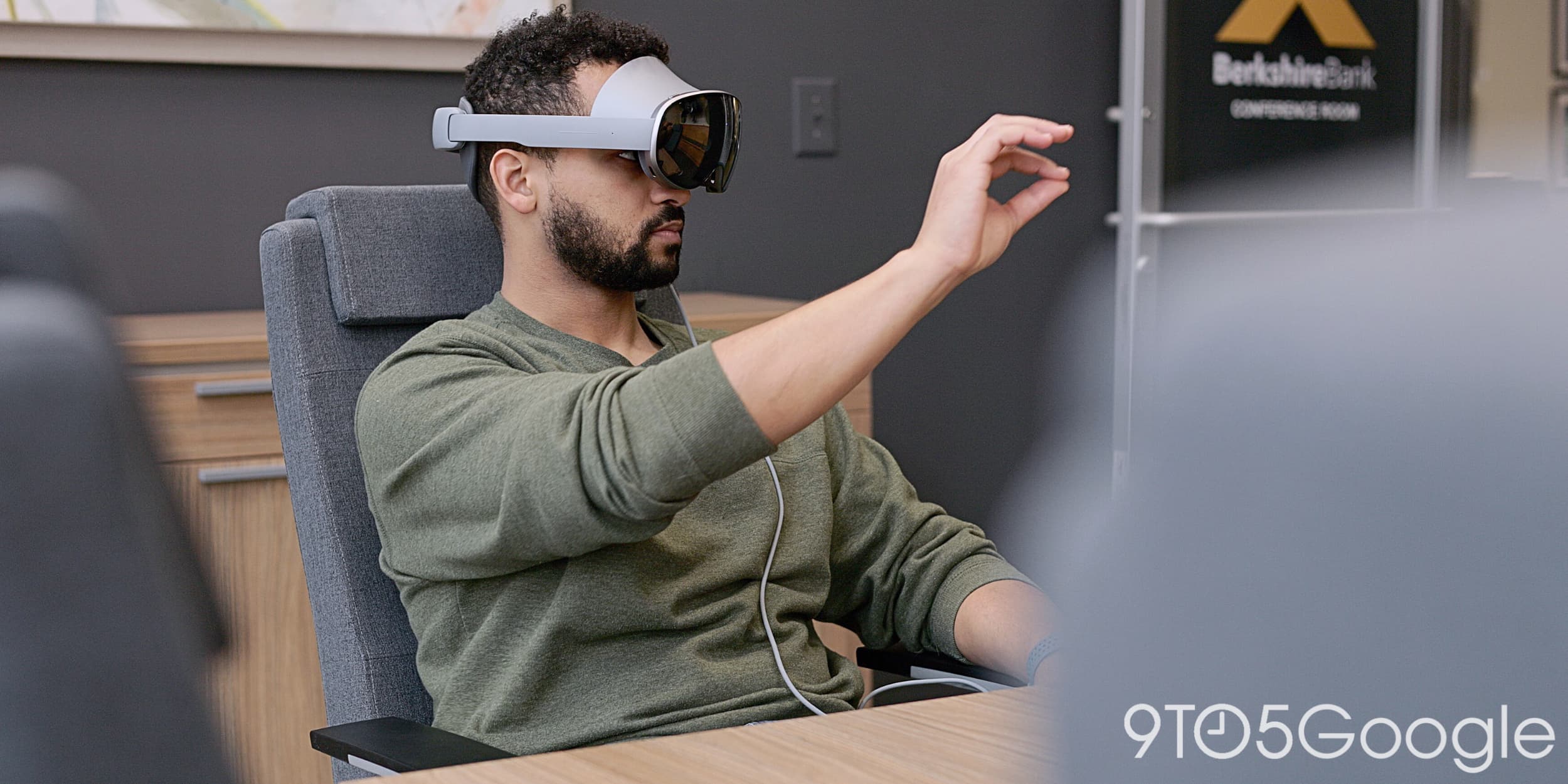
The Samsung Galaxy XR headset, initially codenamed “Project Moohan,” is the inaugural device to run Android XR. Unveiled in October 2025 with a price tag of US$1,799, it boasts impressive specifications, including a powerful Snapdragon XR2+ Gen 2 chip, 16GB of RAM, and high-resolution Micro-OLED displays. It represents Samsung’s significant entry into the mixed reality space, offering features like advanced passthrough cameras, hand tracking, and eye tracking.
Google’s Swift Response
Recognizing the severity of the situation and the impact on early adopters of their new platform, Google has acted quickly. Grace, a Community Engagement Manager for Android XR, confirmed that the team is fully aware of the user concerns. She emphasized that releasing a patch to address these issues is now the “absolute top priority.”
While a concrete timeline for the fix has not yet been announced, Google’s direct acknowledgment and commitment offer a glimmer of hope to affected users. The company is actively working to restore the intended functionality and performance of the Galaxy XR headsets.
Why It Matters: Impact on the XR Ecosystem
This Android XR bug is more than just an inconvenience for individual users; it has broader implications for the nascent extended reality ecosystem. For early adopters who invested in the premium Samsung Galaxy XR headset, these performance issues undermine the value of their purchase and dampen enthusiasm for the new technology. Furthermore, a stable and reliable platform is crucial for attracting developers to build engaging applications, which is vital for the long-term success of Android XR.
Ultimately, Google’s rapid response demonstrates its commitment to the Android XR platform and its partners like Samsung. A successful and timely fix will be essential in rebuilding user confidence and ensuring the continued growth and innovation within the exciting world of extended reality. The future of Android XR, and the devices that run it, depends heavily on resolving these critical software challenges.
Source
