Waymo, a leader in autonomous vehicle technology, is rapidly expanding its robotaxi services across the United States and even venturing internationally. What began as Google’s self-driving car project in 2009 has blossomed into a sophisticated network of driverless vehicles offering rides to the public in an increasing number of cities. This expansion, coupled with continuous advancements in its self-driving capabilities, marks a significant step towards a future where autonomous mobility is a common reality.
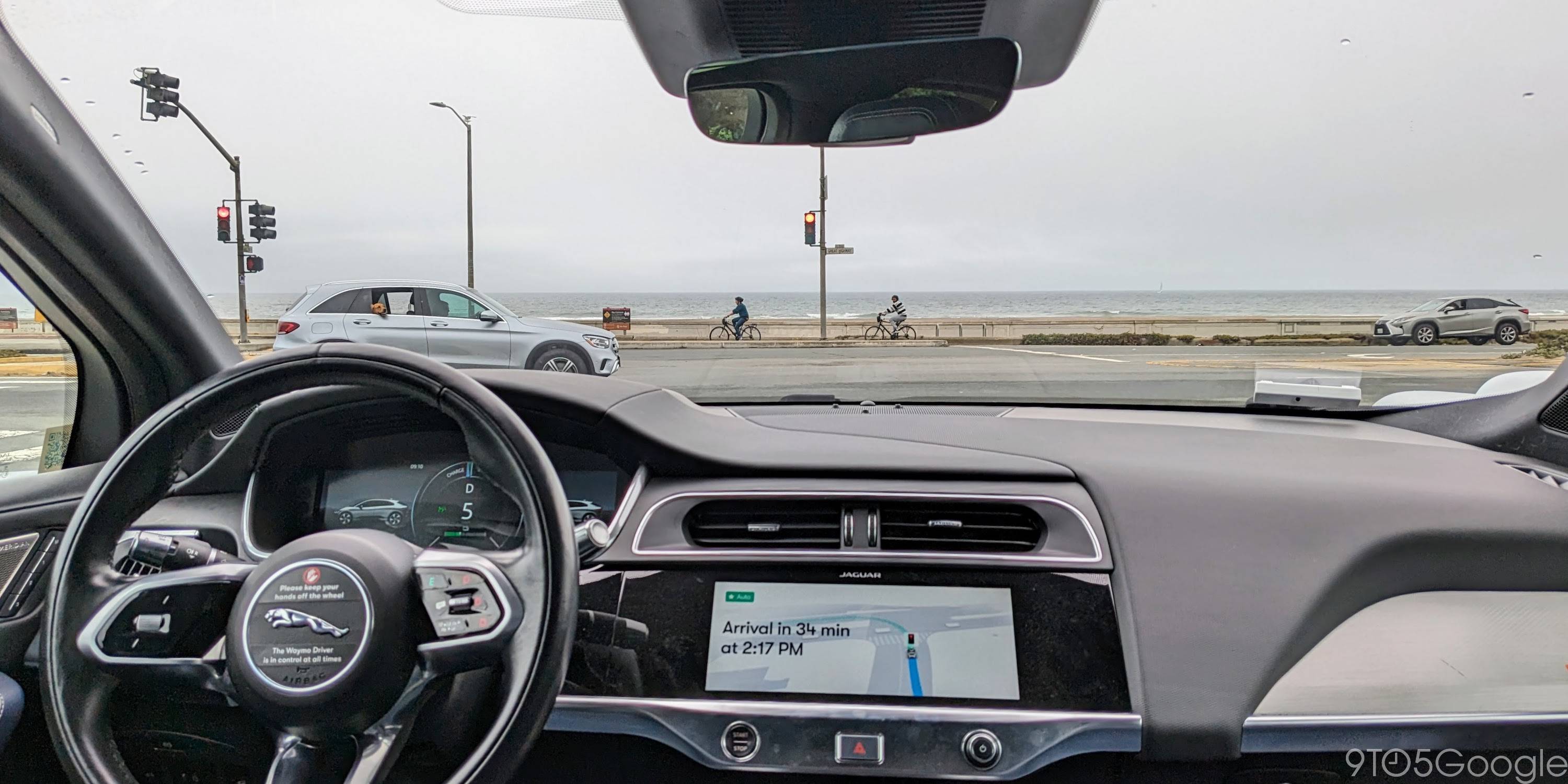
Where Waymo is Currently Available
As of April 2026, Waymo is actively providing fully autonomous ride-hailing services in numerous major U.S. cities. You can typically hail a Waymo in these areas using the dedicated Waymo app on your smartphone.
- Phoenix, Arizona: Waymo has been operating here since October 2020, covering over 315 square miles.
- San Francisco Bay Area, California: Services began in August 2023, spanning more than 260 square miles and including freeway access to airports.
- Los Angeles, California: Launched in March 2024, the service covers 120 square miles and includes various iconic neighborhoods.
- Miami, Florida: Fully autonomous operations for the public started in January 2026.
- Orlando, Florida: Public access to Waymo rides began in February 2026.
- Dallas, Texas: Waymo launched in February 2026, with invitations rolling out gradually to riders.
- Houston, Texas: Service also commenced in February 2026, offering rides through the Waymo app.
- San Antonio, Texas: Fully autonomous rides became available in February 2026, including service to San Antonio International Airport.
Additionally, Waymo has established partnerships to extend its reach. In cities like Austin, Texas (started March 2025), and Atlanta, Georgia (started June 2025), you can experience Waymo by requesting a ride through the Uber app.
Upcoming Cities and Future Expansion
Waymo is aggressively pursuing further expansion, with plans to introduce its self-driving technology to many more locations. Several cities are currently in early access or testing phases, with public launches anticipated in the near future.
Planned U.S. Expansions
The company has announced intentions to expand to a range of new U.S. cities, including:
- Denver, Colorado
- Detroit, Michigan
- Las Vegas, Nevada
- San Diego, California
- Washington, D.C.
- Nashville, Tennessee (also coming to Lyft)
- Sacramento, California
- Baltimore, Maryland (testing with human drivers)
- Philadelphia, Pennsylvania (autonomous testing underway)
- Pittsburgh, Pennsylvania (testing with human drivers)
- St. Louis, Missouri (testing with human drivers)
International Ventures
Waymo is also setting its sights beyond the U.S., with its first international expansion planned for London in 2026. The company is also conducting manual testing in Tokyo, Japan, as it explores further global growth.
New Features and Technology Enhancements
Waymo is continuously refining its autonomous driving technology, known as the Waymo Driver. The company recently began fully autonomous operations with its 6th-generation Driver, which is designed for long-term growth across multiple vehicle platforms and boasts enhanced capabilities for diverse environments, including those with challenging winter weather.
This latest system utilizes an advanced sensor suite, featuring high-resolution cameras, advanced imaging radar, and lidar, all working together to provide a comprehensive view of the surroundings. Waymo is also introducing new vehicle types, such as the all-electric Zeekr RT, dubbed “Ojai,” which features a van-like architecture and automated doors, offering a purpose-built ride-hailing experience.
Furthermore, Waymo is partnering with Waze, another Alphabet company, to identify and report potholes to city transportation departments, helping to improve road conditions. This pilot program is launching in several metro areas where Waymo operates.
What This Means for the Future of Mobility
Waymo’s aggressive expansion and technological advancements signify a rapid acceleration in the adoption of autonomous vehicles. As Waymo self-driving cars become available in more cities, they offer a new, potentially safer, and more convenient transportation option. The partnerships with ride-hailing services like Uber and Lyft also demonstrate a growing integration of autonomous technology into existing mobility ecosystems, making driverless rides more accessible to a broader audience. You can learn more about Waymo’s technology and safety initiatives on their official website: Waymo.com. For those interested in the underlying technology, Waymo provides detailed information on the Waymo Driver here: The Waymo Driver.
This widespread deployment also paves the way for future innovations, such as autonomous delivery services, which Waymo is exploring through partnerships with companies like DoorDash. The goal is to make everyday errands easier and offer peace of mind with safe and reliable autonomous technology.
Conclusion
Waymo is clearly at the forefront of the autonomous vehicle revolution, with its extensive operational footprint and ambitious plans for the future. From its origins as a Google project, Waymo has evolved into a leading provider of self-driving ride-hailing services, continuously pushing the boundaries of what’s possible in autonomous mobility. As Waymo continues to roll out its services to new cities and introduce advanced features, the dream of a truly driverless future is rapidly becoming a reality for millions. The company aims to achieve over one million weekly autonomous trips by the end of 2026.
Source