


A hardware teardown of the United States iPhone 18 Pro Max confirmed that Apple retained Qualcomm’s Snapdragon X80 5G modem for its domestic flagship, despite launching its own in-house cellular silicon worldwide.
Key points
- A teardown confirms the US iPhone 18 Pro Max runs on Qualcomm's Snapdragon X80 5G modem.
- International variants of the Pro Max and all smaller iPhone 18 Pro models use Apple's custom C2 modem.
- The US board pairs the X80 modem with Qualcomm's SDR875 radio frequency transceiver.
- Apple's 2023 agreement with Qualcomm committed the company to sourcing 5G modems through 2026.
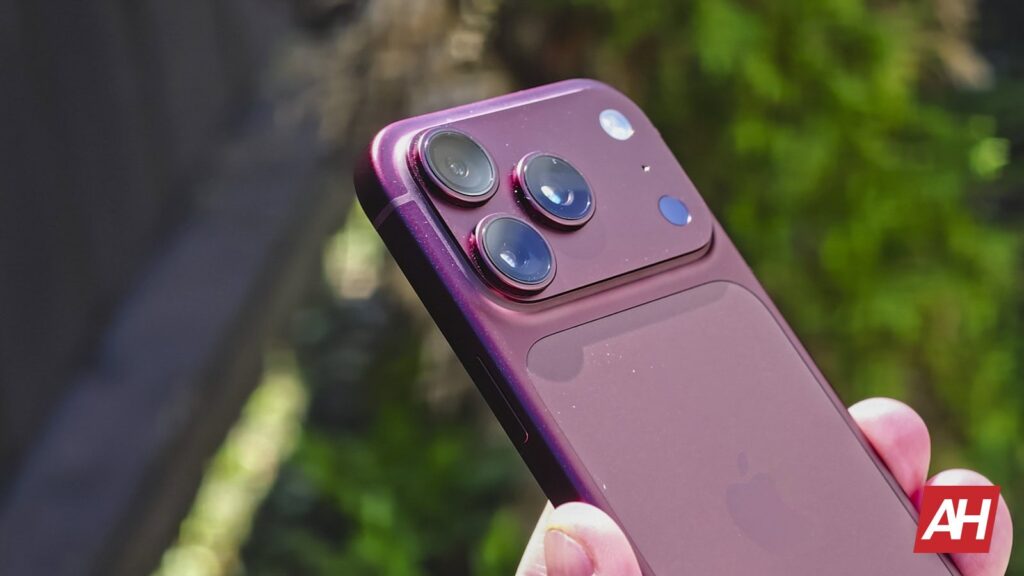
The discovery confirms an uncommon regional hardware divide across Apple’s high-end portfolio. While foreign models and smaller domestic devices transition to Apple’s custom C2 modem, American buyers of the top-tier phone receive the same modem architecture Apple deployed in 2025.
Hardware Findings From the US Teardown
Analysis by research firm TechInsights revealed that the US model, designated A3473, contains Qualcomm’s Snapdragon X80 modem, marked SDX80M. Engineers identified that the modem works alongside Qualcomm’s SDR875 converged radio frequency transceiver.
The findings substantiate earlier reports about regional component allocations for the iPhone 18 Pro Max, which indicated that domestic units would not see the new silicon.
Beyond the baseband modem, the teardown identified Apple’s 2-nanometer A20 Pro processor alongside an Apple-designed N1 module handling Wi-Fi 7, Bluetooth 6, and Thread networking. Additional board components come from suppliers including Broadcom, Skyworks, Qorvo, Texas Instruments, and NXP.
The Regional Modem Split Across the Lineup
The hardware division only applies to the largest US model. Buyers purchasing the standard iPhone 18 Pro in the US receive Apple’s custom C2 chip, as do customers buying the newly introduced iPhone Duo.
Overseas, the C2 modem powers both Pro models across regions including the United Kingdom, France, India, and Canada. Apple quietly telegraphed this differentiation on its iPhone 18 Pro technical specifications page, listing the C2 modem under the smaller Pro while omitting cellular silicon branding under the Pro Max column.
The split arrives even as third-party customizers and accessory makers design around the unified exterior chassis of the iPhone 18 Pro series.
Contractual Obligations and Apple Silicon Evolution
Business obligations likely explain the regional divergence rather than engineering constraints. Qualcomm announced in September 2023 that it signed a multi-year supply agreement to provide Apple with 5G Modem-RF systems for smartphone launches through 2026. Maintaining Qualcomm hardware in its largest volume market allows Apple to satisfy minimum contract purchases while scaling internal chip fabrication.
The C2 modem represents Apple’s third generation of custom cellular silicon, following the C1 in the iPhone 16e and the C1X in the iPhone Air and iPhone 17e. Unlike its precursors, the C2 incorporates full 5G millimeter-wave support alongside sub-6GHz frequencies.
Apple stated during launch briefings that the C2 modem delivers “meaningfully faster uploads when compared to C1X while consuming 15 percent less energy.” Direct field tests comparing upload speeds and battery draw between the C2 and Qualcomm’s X80 have not yet been published.