
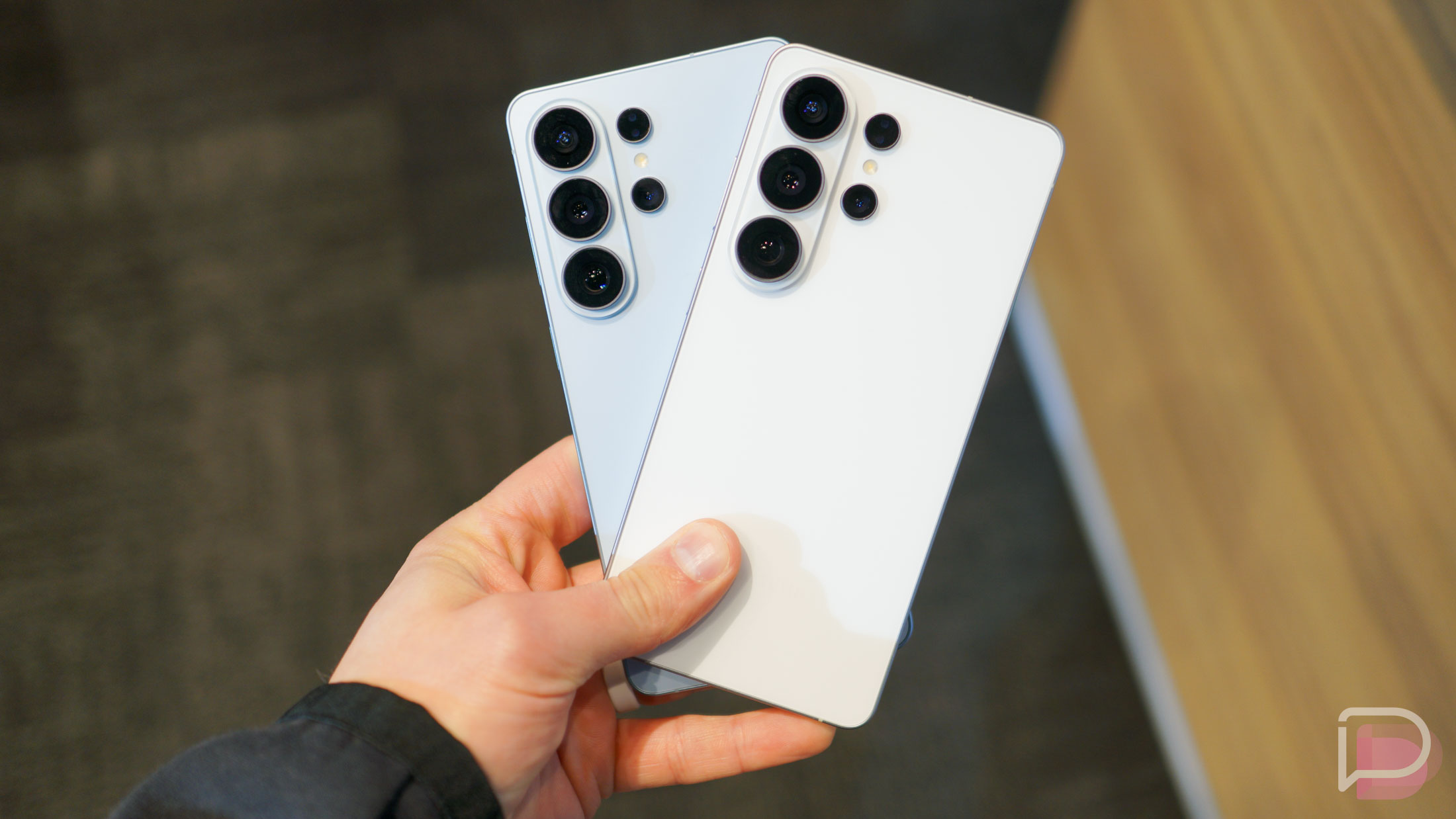


For years, Android enthusiasts have faced a familiar dilemma: embrace the massive screens and top-tier features of flagship phones like Samsung’s Galaxy Ultra series, or settle for a more compact device with potentially fewer premium capabilities. However, a recent discussion has sparked excitement, raising the question of whether Samsung might follow Google’s lead and offer a smaller version of its powerful Galaxy S26 Ultra.
The Rise of the Giant Flagships
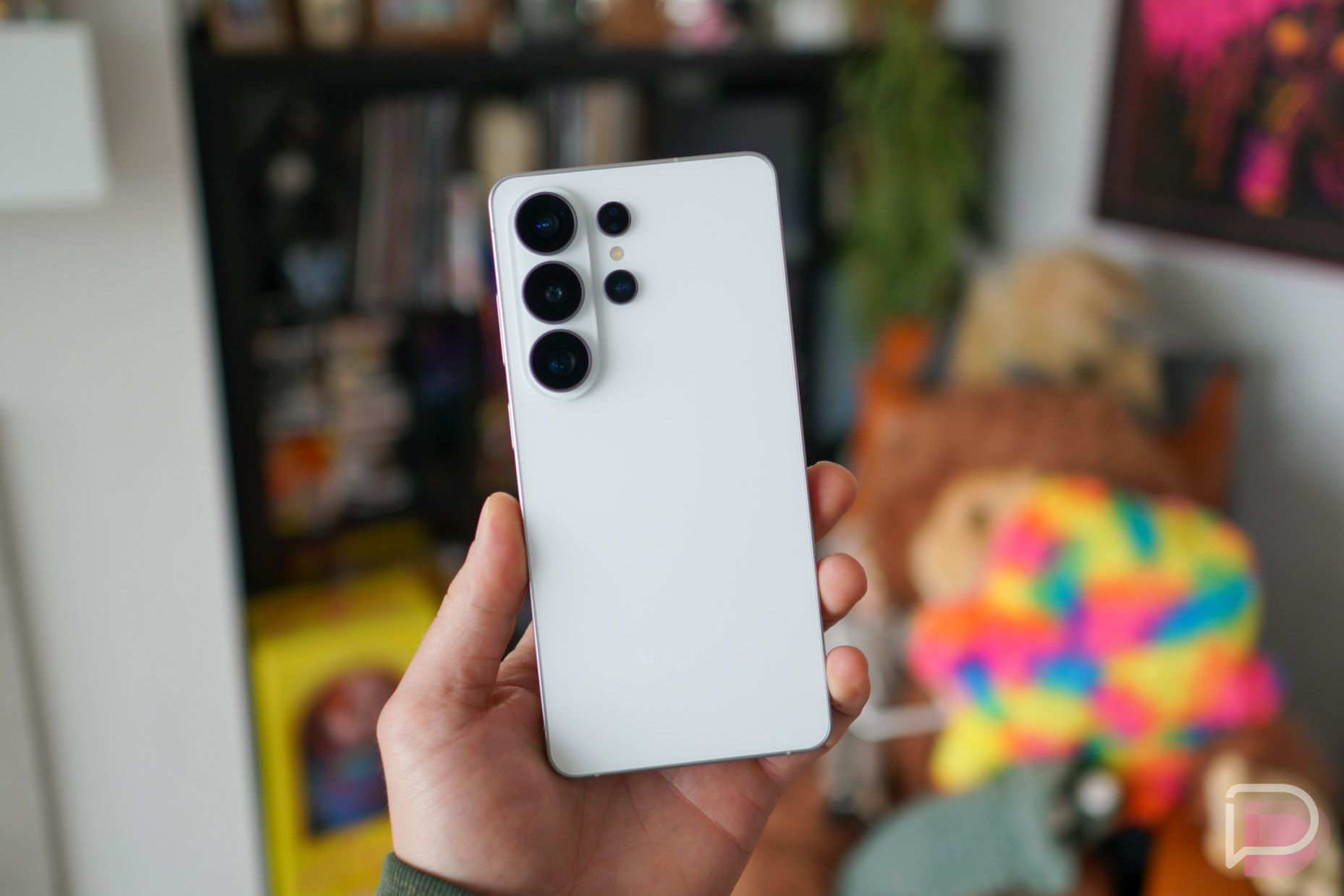
Modern flagship smartphones, including Samsung’s esteemed Galaxy Ultra line, have consistently pushed the boundaries of size. Devices like the Galaxy S26 Ultra are known for their expansive displays, often measuring around 6.8 to 6.9 inches, alongside cutting-edge camera systems and large batteries. This trend caters to users who prioritize immersive media consumption and powerful productivity on a big screen.
However, the sheer size can be a drawback for many. Larger phones can be challenging to use with one hand, difficult to fit comfortably in pockets, and sometimes unwieldy for everyday tasks.
Google’s Dual-Size Strategy with Pixel Pro Models
Meanwhile, Google has taken a different approach with its Pixel flagship series, offering consumers a choice without compromise. With models like the Pixel 10 Pro and Pixel 10 Pro XL, Google provides two size options for its top-tier device.
Crucially, these phones maintain essentially identical core specifications, including the processor and camera system, with the primary differences being screen size and battery capacity. This means users can opt for a smaller, more manageable phone without sacrificing premium performance. You can explore Google’s latest devices at the Google Store.
Imagine a Smaller Galaxy S26 Ultra
The idea of a smaller Galaxy S26 Ultra is compelling. Picture a device that retains the S26 Ultra’s industry-leading camera setup, the powerful processor, and all the advanced software features, but in a more compact form factor. This would likely mean a display size closer to 6.1 or 6.3 inches, coupled with a slightly smaller battery to accommodate the reduced footprint.
Such a device would offer the best of both worlds: uncompromised flagship performance in a size that’s more comfortable for one-handed use and easier to carry. It would directly address the segment of the market that desires premium features without the accompanying bulk of today’s largest phones. Samsung’s current Galaxy lineup can be viewed on their official site here.
What This Means for You
If Samsung were to introduce a smaller Galaxy S26 Ultra, it would represent a significant win for consumer choice. Users who have long admired the Ultra’s capabilities but found its size prohibitive would finally have a viable option. It could also encourage other manufacturers to reconsider their size strategies for premium devices.
A more portable, one-hand-friendly Ultra could enhance daily usability for a broad audience, making advanced technology more accessible and comfortable. The benefits of smaller phones, such as improved portability and ease of handling, are well-documented and highly valued by many users.
Conclusion
The discussion around a smaller Galaxy S26 Ultra highlights a growing demand for diverse smartphone options. As Google demonstrates with its Pixel Pro line, it’s possible to offer flagship power in multiple sizes. Whether Samsung will heed this call remains to be seen, but the prospect of a compact, yet equally powerful, Galaxy Ultra is undoubtedly an exciting one for Android fans everywhere.