


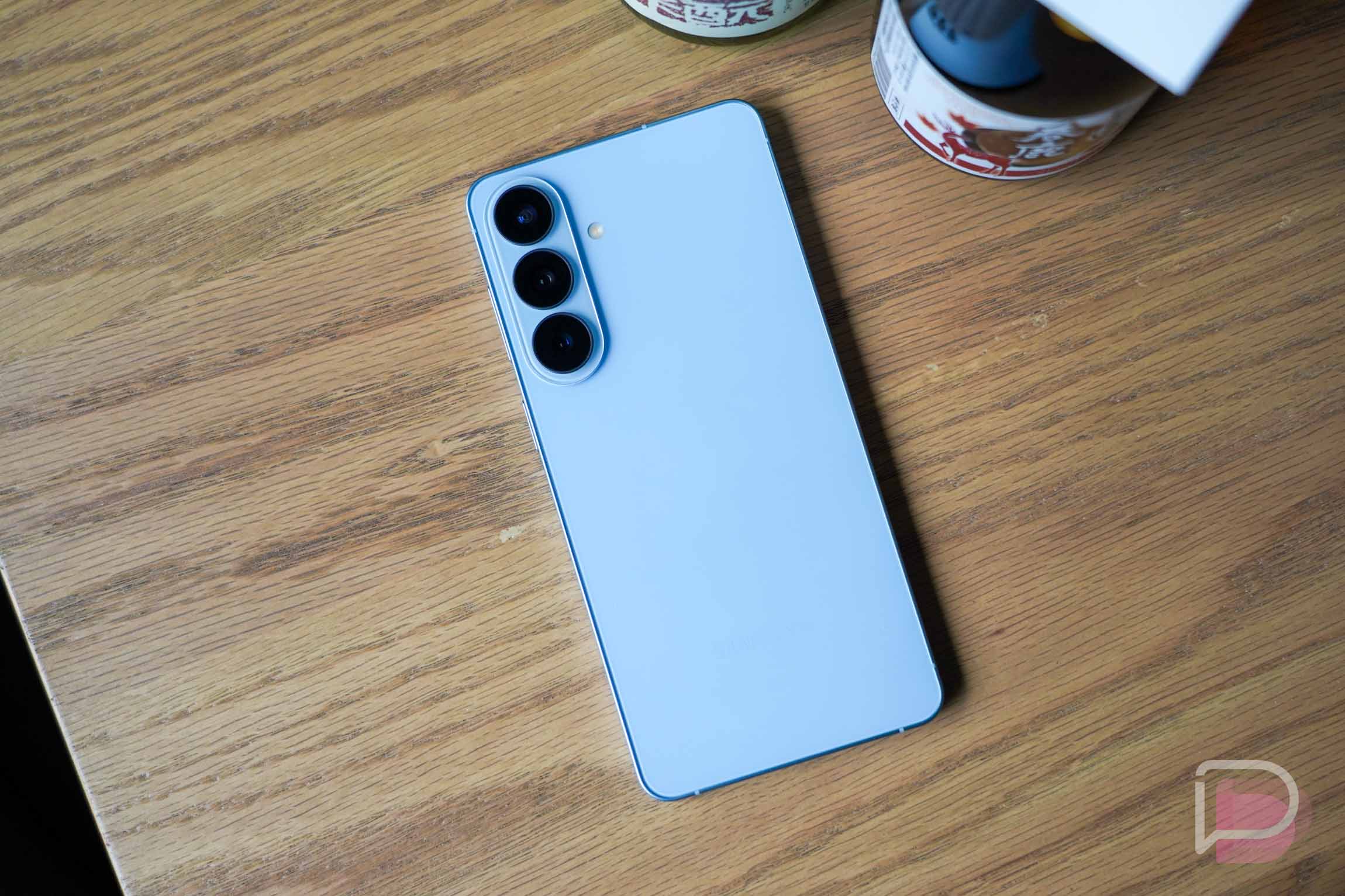


In a surprising turn for the high-end smartphone market, Samsung has announced the discontinuation of its groundbreaking Galaxy Z TriFold smartphone. After a mere three months since its December 2025 launch, the super-premium device, which retailed for a hefty $2,899, will cease sales once existing stock is depleted. This swift exit marks an early end for what was considered a bold experiment in foldable technology.
The Short Reign of the TriFold
The Samsung Galaxy Z TriFold made its debut with much fanfare, promising a new era of multi-foldable screens. Priced as a luxury item, it aimed to push the boundaries of what a smartphone could be. However, its journey has been unexpectedly brief, with the company confirming that production has halted.
Consumers who managed to get their hands on the TriFold will own a piece of unique tech history. For others who were still contemplating the significant investment, time is now running out to purchase one of these rare devices before they vanish from shelves permanently.
A Premium Experiment with a High Price Tag
The Galaxy Z TriFold wasn’t just another smartphone; it was a concept device designed to test the limits of technology. Its triple-folding screen mechanism showcased Samsung’s engineering prowess, demonstrating the feasibility of complex foldable phone designs. It was an ambitious project, signaling Samsung’s commitment to innovation in the mobile space.
This “super-premium” classification meant it was never intended for the average consumer. Instead, it targeted early adopters and tech enthusiasts willing to pay a premium for cutting-edge features. The device served as a real-world laboratory, gathering data on user interaction, durability, and the overall market appetite for such advanced form factors.
Why Did It Fold So Soon?
Analysts point to several critical factors that likely contributed to the Galaxy Z TriFold’s premature exit. The combination of its experimental nature and external market pressures created an unsustainable model for mass production.
Soaring Production Costs
Developing and manufacturing a device as complex as the TriFold involves immense costs. Research and development (R&D) alone would have consumed significant resources, pushing the boundaries of material science and display technology. The intricate folding mechanisms and specialized components required for a triple-fold design are far more expensive to produce than traditional smartphone parts.
Bringing such a sophisticated device from the drawing board to store shelves demands a highly specialized production line. These bespoke manufacturing processes often come with a much higher per-unit cost compared to the streamlined assembly lines used for conventional smartphones, making it challenging to achieve profitability even at a high retail price.
The Memory and Storage Crunch
A significant headwind for the TriFold, and indeed the broader tech industry, has been the surging cost of essential components. Reports indicate a sharp increase in expenses for storage and memory modules, vital parts of any modern smartphone. These rising costs directly impact the profitability of high-end devices, especially those with already thin margins due to complex manufacturing.
For a premium device like the Galaxy Z TriFold, which likely packed top-tier memory and storage to match its advanced capabilities, these escalating component prices would have been particularly impactful. This global trend affects manufacturers across the board, forcing companies to re-evaluate their product strategies and pricing.
Market Reception and Sustainability
While the TriFold was a technological marvel, its ultra-high price tag and experimental nature meant it appealed to a very niche market. Analysts suggest that the sales volume, though perhaps meeting internal expectations for a concept device, was likely insufficient to offset the astronomical R&D and production costs in the long run. The goal might have been to showcase innovation rather than achieve massive sales figures.
Furthermore, the sustainability of such a product for ongoing mass production would have been a major concern. Without a clear path to significantly reduce costs or dramatically increase demand, maintaining the TriFold in Samsung’s lineup would have been a continuous financial drain, especially with the added pressure of fluctuating component prices.
What This Means for Foldable Phones and Samsung
The discontinuation of the Galaxy Z TriFold offers several insights into the future of the foldable phone market and Samsung’s strategy within it:
-
Cost Remains King: The TriFold’s exit underscores that even for premium devices, there’s a limit to how much consumers will pay and how much manufacturers can absorb in costs. Future foldable innovations will need to find a balance between cutting-edge tech and economic viability.
-
Measured Innovation: Samsung is clearly willing to push boundaries, but also knows when to pull back. This suggests a more cautious, iterative approach to introducing radical new form factors, possibly integrating advanced features into more established foldable lines like the Z Fold and Z Flip.
-
Learning Experience: Despite its short lifespan, the TriFold provided invaluable data on advanced foldable mechanics, software optimization for multi-panel displays, and consumer feedback. This knowledge will undoubtedly inform Samsung’s next generation of foldable and rollable devices.
-
Market Maturity: The market for foldable phones is still evolving. While popular, it may not yet be ready for a triple-folding device at such a high price point. Simpler, dual-fold designs might remain the sweet spot for a while longer as technology matures and costs come down.
Conclusion
The Samsung Galaxy Z TriFold’s brief but impactful run serves as a powerful reminder of the challenges and risks inherent in pushing technological frontiers. While its discontinuation might seem like a setback, it’s more accurately viewed as a strategic pivot. Samsung continues to lead the foldable revolution, and the lessons learned from the TriFold will undoubtedly pave the way for even more innovative, and perhaps more sustainable, devices in the years to come. The tech industry remains a dynamic landscape, where even the most ambitious projects sometimes have to fold.
