Major US wireless carriers Verizon, AT&T, and T-Mobile consistently offer customers “free” phones, a common practice within the industry. These deals allow consumers to acquire high-end devices by committing to multi-year service agreements with the providers.
The availability of these free phones is a core strategy in the US wireless market, enabling customers to upgrade to the latest smartphones without an upfront device cost. However, these promotions are contingent on customers maintaining service for an extended period, typically 24 to 36 months.
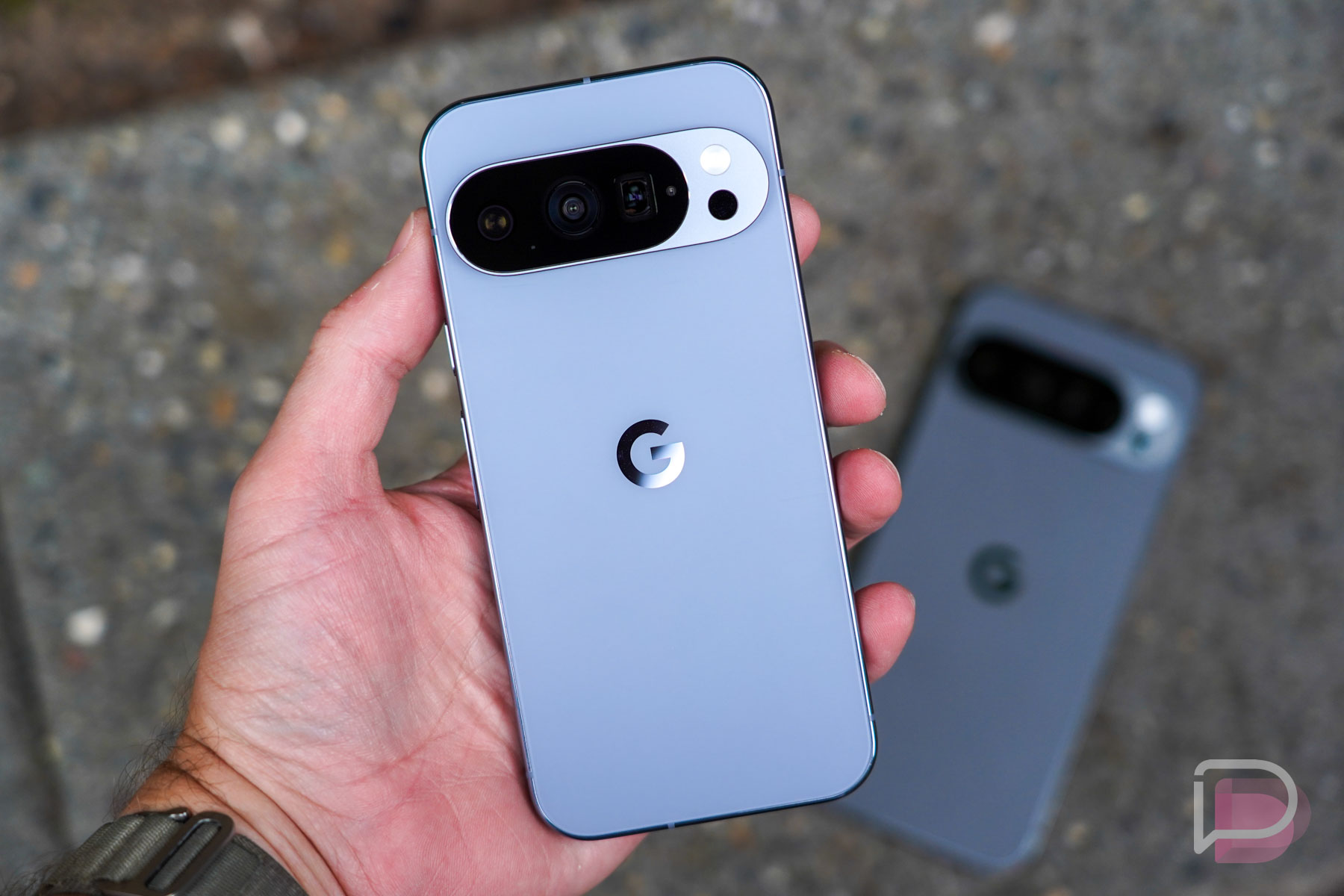
Understanding Carrier Phone Deals
While advertised as “free,” these offers are structured through device financing plans. Carriers apply monthly bill credits over the contract duration, which effectively offset the cost of the phone. Customers are still responsible for their monthly service plan charges.
For example, a customer might receive credits that negate the full retail price of a new Google Pixel 8 Pro or an iPhone 15 Pro over two or three years. Should a customer choose to terminate their service early, the remaining balance of the device becomes due immediately. This means the phone is not truly free if the commitment is broken.
Carrier Specifics and Requirements
All three major carriers — Verizon, AT&T, and T-Mobile — employ similar models for these promotions. Often, these deals require a trade-in of an existing device, which contributes to the overall credit value applied to the new phone. The condition and model of the trade-in device can significantly impact the final credit amount.
Additionally, eligibility for the most lucrative free phone offers often depends on signing up for specific unlimited data plans, which typically carry higher monthly service fees. These plans ensure carriers recoup the cost of the device over the commitment period by bundling it with premium service packages.
Industry Context
This model has become standard in the US wireless industry, largely replacing traditional subsidized phone contracts that locked customers in with a lower upfront phone cost. The current system aims to keep customers on their networks longer by integrating device payments directly into the service agreement, fostering customer loyalty.
The strategy benefits both consumers, who gain access to premium devices without a large initial outlay, and carriers, who secure long-term subscribers in a highly competitive market. This approach also encourages regular upgrades, keeping the latest technology in consumers’ hands.