




Samsung’s Galaxy S26 Ultra recorded higher sales than its predecessor during the first quarter of 2026, yet it did not appear on the quarter’s top 10 list of best-selling smartphones.
This development signals a shifting landscape in the competitive premium smartphone market, indicating that while Samsung’s latest flagship saw individual growth, overall market dynamics prevented its inclusion among the top ten global sellers.
Key Details
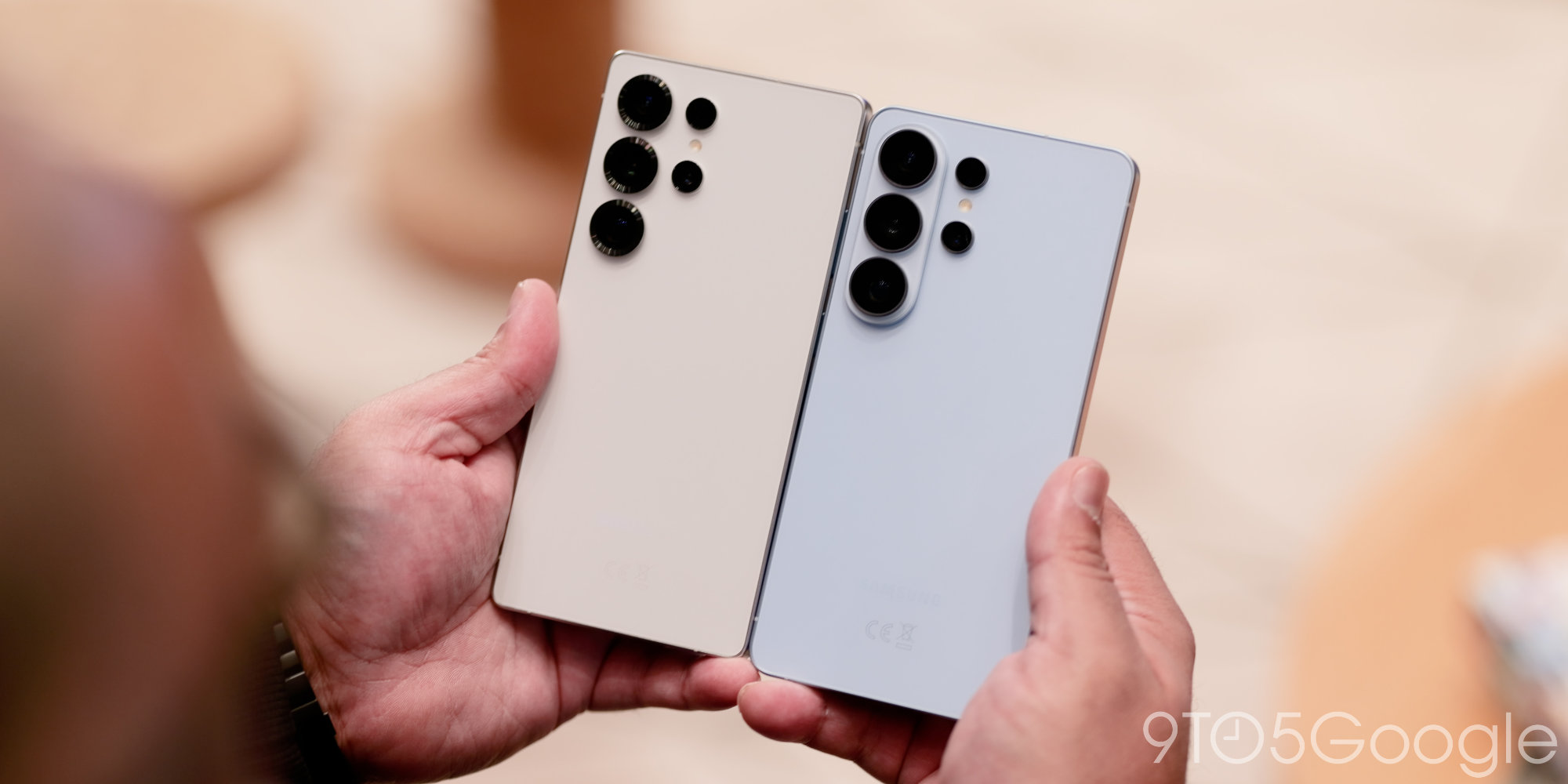
According to a recent report, the Galaxy S26 Ultra achieved increased unit sales compared to the Galaxy S25 Ultra in their respective launch quarters. This year-over-year improvement for the model itself did not secure a spot on the global top 10 list for Q1 2026. Top 10 lists often include a mix of high-volume, mid-range, and budget devices that appeal to a broader consumer base. The report did not provide specific sales figures for the S26 Ultra, nor did it detail the other devices that constituted the top 10 rankings.
Context
Samsung’s Ultra line is positioned as its premium flagship, often showcasing the company’s most advanced mobile technology, including sophisticated camera systems and powerful processors. Historically, high-end devices from major brands have occasionally broken into these overall top 10 lists, particularly during strong launch periods. However, the current market landscape shows intensifying competition across all price points. This competition comes from established rivals like Apple, particularly with its iPhone series, and other Android manufacturers such as Google Pixel and a growing number of Chinese brands. These competitors are increasingly vying for market share across various segments, potentially diluting the impact of individual flagship sales on overall rankings.
Outlook
Industry analysts will likely monitor subsequent quarterly reports to assess if this trend continues for the Galaxy S26 Ultra or if the device gains traction in future periods. The broader implications for Samsung’s market strategy in the premium segment remain to be seen as consumer preferences evolve and new devices continue to enter the global market.
