



Protective case leaks for the upcoming Samsung Galaxy S27 Ultra reveal that Samsung plans to replace individual floating camera lenses with a unified rear camera housing that reorganizes key sensors.
Key points
- Leaked protective cases show Samsung is shifting to a unified rear camera island on the Galaxy S27 Ultra.
- Refined case molds include cutouts for two primary lenses, an oval housing a telephoto lens, and an LED flash.
- The newest case iterations lack a visible opening for the laser autofocus sensor.
- Samsung may integrate the laser autofocus hardware underneath the rear glass panel or inside an existing lens module.
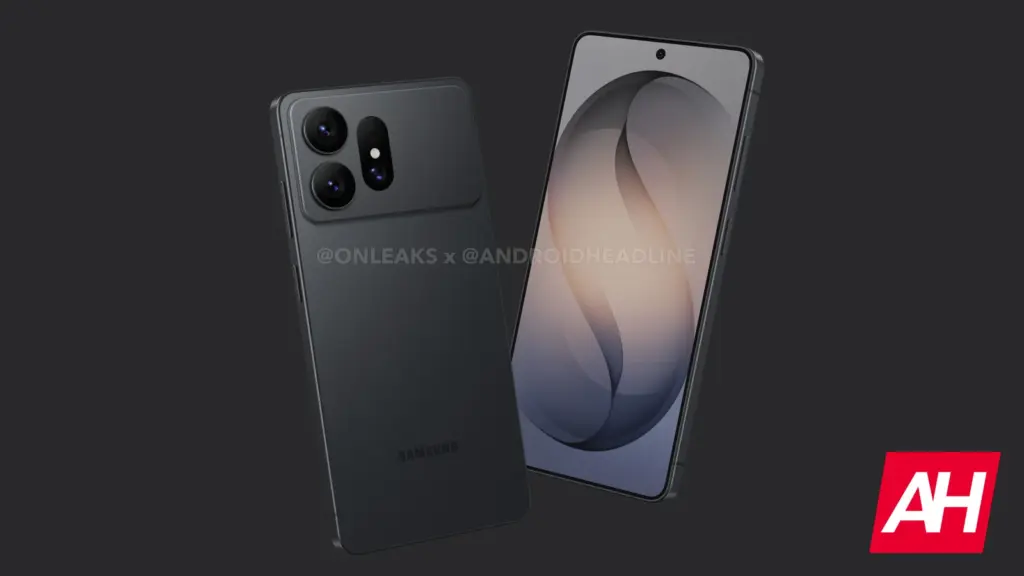
The accessory designs indicate an end to the floating-lens layout Samsung used across its recent Ultra flagships. Images of four sequential case iterations, shared on social media platform X by tipster Ice Universe, show how accessory makers gradually refined cutouts to match the device’s actual back panel specifications.
Refined Cutouts Show New Camera Array
Early computer-aided design (CAD) models for the flagship left several hardware positions unclear. Initial factory renders featured two vertically stacked primary camera rings alongside an adjacent, elongated vertical section without defining the hardware components intended for each slot.
Successive case designs resolved those ambiguities. While the earliest protection covers merely outlined a broad perimeter, subsequent molds defined individual openings for the primary cameras and the raised island perimeter. The fourth and latest case mold establishes the inner arrangement of the secondary oval cutout, placing the third telephoto camera at the top with a smaller circular opening below it for the LED flash.
These detailed accessory molds match broader reports regarding the Galaxy S27 Ultra camera layout, which indicate a mechanical restructuring of the flagship’s optical hardware.
The Missing Laser Autofocus Cutout
The refined case dimensions introduce an unexpected hardware question. The secondary vertical oval accommodates only the telephoto camera and the LED flash, leaving no visible exterior cutout for Samsung’s dedicated laser autofocus (AF) module.
Earlier leaks suggested that Samsung would group the third camera, LED flash, and laser autofocus hardware together within this secondary oval enclosure. In previous generations, the laser autofocus system utilized its own dedicated cutout on the back panel to emit and receive infrared signals that calculate subject distance in low-light environments.
The absence of a dedicated slot on third-party accessories does not indicate that Samsung dropped the focusing sensor entirely. The company could position the laser autofocus module beneath infrared-translucent rear glass, incorporate the transmitter directly inside one of the primary camera rings, or house it under another section of the rear chassis.
Hardware Changes Across the Flagship Lineup
The updated camera island arrives amid wider revisions to Samsung’s camera configurations. Earlier supply chain leaks suggested the Galaxy S27 Ultra could drop its dedicated 3x telephoto module in favor of an updated optical zoom solution, altering the physical space needed on the back panel.
Accessory manufacturers frequently update precision molds in the months leading up to mass production as device makers distribute final external specifications. Additional details regarding sensor positioning are expected to emerge as parts suppliers finalize cases ahead of the broader Galaxy S27 lineup debut.