


Remember the simple days of tapping phones together to share files? Android Beam, a beloved feature from years past, might be making a more intuitive comeback. A recent discovery offers an exciting first look at an upcoming “Tap to Share” experience, designed to integrate seamlessly with Google’s modern Quick Share functionality.
The Evolution of Android Sharing
Remembering Android Beam
For many Android veterans, the name Android Beam brings back memories of effortless file transfers. This early “tap-to-share” feature, introduced with Android Ice Cream Sandwich in 2011, used Near Field Communication (NFC) to establish a connection between two devices. Once tapped, it would then use Bluetooth to beam photos, links, or files.
However, Google eventually phased out Android Beam, deprecating it in Android 10 and fully removing it in Android 14. Its successor, Nearby Share, took over, offering a more robust and versatile sharing solution that didn’t strictly require a tap.
The Rise of Quick Share
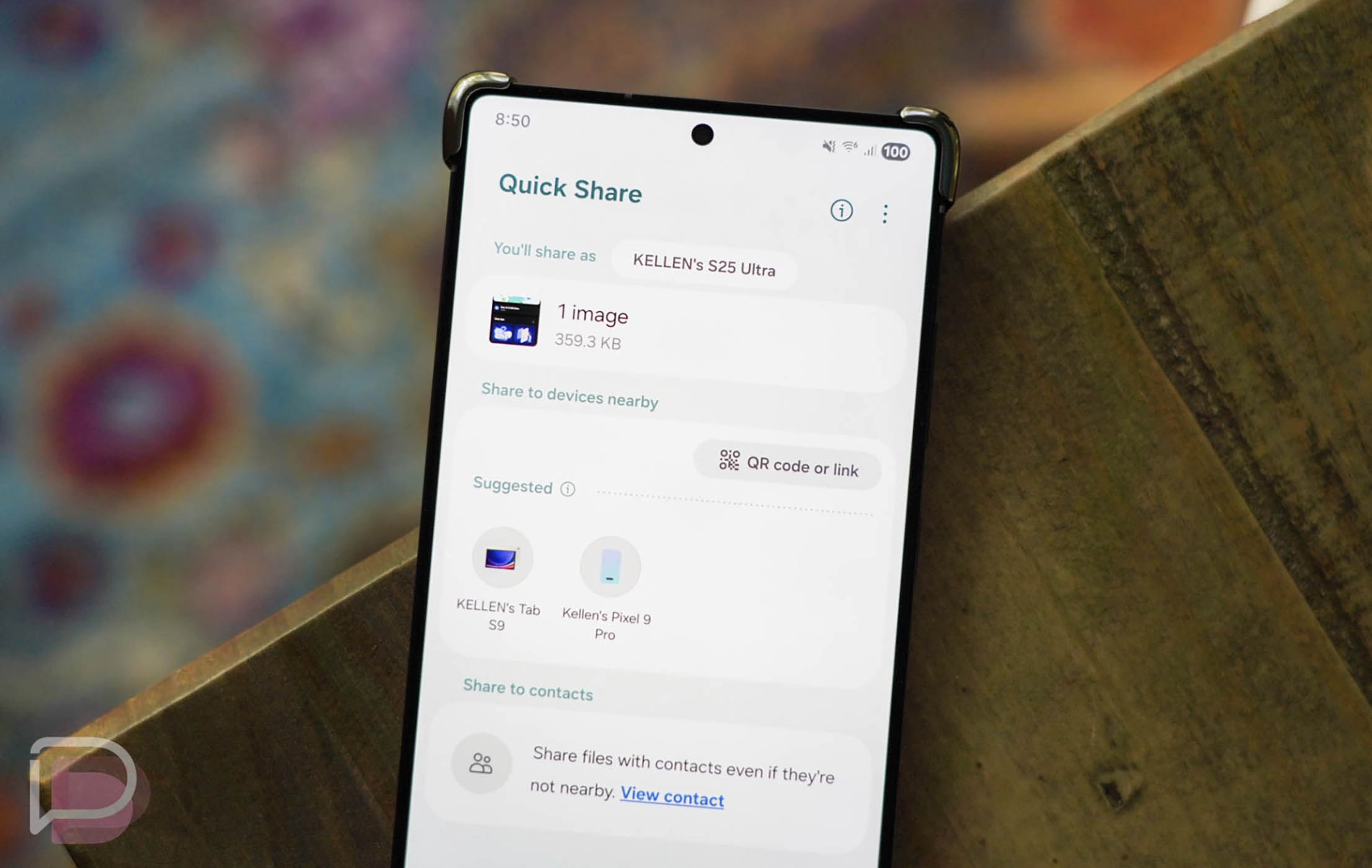
In a significant move in January 2024, Google and Samsung joined forces, merging their respective sharing services – Google’s Nearby Share and Samsung’s Quick Share – under the unified “Quick Share” brand. This collaboration aims to provide a consistent, system-level sharing experience across a wide range of devices. Quick Share now works across Android phones, Chromebooks, and even Windows PCs, making cross-device file transfers incredibly smooth.
Quick Share uses a combination of Bluetooth for initial device discovery and Wi-Fi Direct for faster, high-bandwidth data transfers. It allows you to share various types of content, including high-resolution photos, videos, documents, and links, even when you’re offline. Furthermore, the service is designed with security in mind, creating a direct, secure connection between devices.
A Fresh Look at “Tap to Share”
Despite Quick Share’s advanced capabilities, the simple act of tapping two devices together for instant sharing holds a unique appeal. It seems Google agrees, as new findings suggest an enhanced “Tap to Share” experience is in the works, potentially integrating more deeply with Quick Share.
Leaked user interface elements reveal clear instructions for this upcoming feature. Users will be guided to unlock their phone, then overlap the top portions of both devices with their screens facing up. The phones are expected to “glow” as a visual confirmation of the connection. If the initial overlap doesn’t work, users might be prompted to try holding the phones back-to-back, accommodating different NFC chip placements.
This renewed focus on tap-based sharing, reminiscent of the old Android Beam, is expected to be a more refined and visually intuitive process, possibly arriving with future Android updates like Android 17 or Samsung’s One UI 9.
What This Means for You
The potential return of a dedicated and enhanced “Tap to Share” feature within Quick Share is exciting news for Android users. It promises to make sharing content even more effortless and immediate. Imagine quickly beaming a photo or contact card to a friend with just a tap, bypassing the need to navigate through menus.
This development underscores Google’s commitment to creating a seamless and user-friendly ecosystem, akin to the popular AirDrop experience on iOS. By blending the convenience of physical interaction with the robust capabilities of Quick Share, Android is poised to offer an unparalleled sharing experience for everyone. To learn more about the current capabilities of Quick Share, visit the official Android Quick Share page. You can also get the Quick Share app for Windows to bridge your devices. Quick Share’s core functionality is delivered via Google Play Services.
Conclusion
From the early days of Android Beam to the expansive reach of Quick Share, Android’s file-sharing capabilities have come a long way. The prospect of a new, intuitive “Tap to Share” feature promises to add another layer of convenience and fun to how we share digital content. As Google continues to refine and expand Quick Share, users can look forward to even faster, more secure, and incredibly simple ways to connect and share across their devices.