



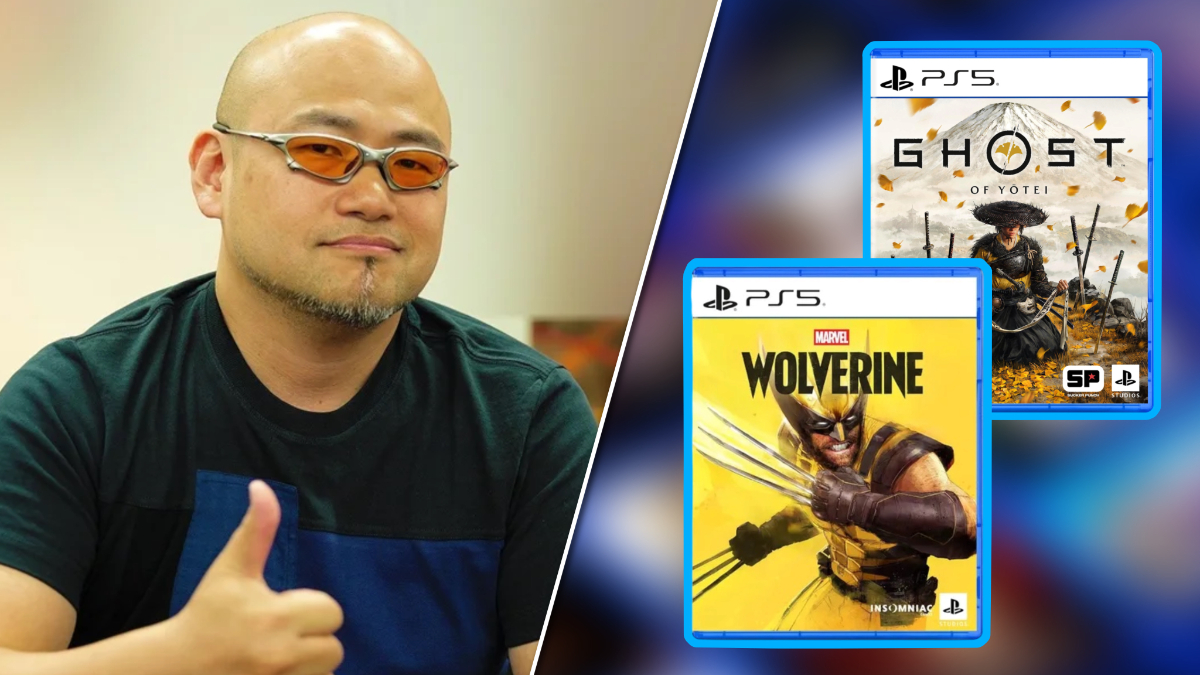
Game director Hideki Kamiya, known for his work on influential titles such as Resident Evil 2, recently emphasized the critical importance of game preservation over ongoing debates concerning physical or digital releases.
Kamiya’s comments carry significant weight within the video game industry. He directed Capcom’s 1998 horror classic Resident Evil 2 and the popular action series Devil May Cry. Kamiya is currently leading Clovers, a studio developing an Okami sequel.
The director’s remarks highlight a growing concern among developers and players regarding the long-term accessibility of video games. Game preservation ensures that older titles remain playable and available for future generations, independent of their initial distribution method. This process often involves archiving original source code, game assets, and documentation.
Furthermore, preservation efforts work to ensure compatibility with evolving hardware and operating systems. Without such initiatives, many classic games risk becoming unplayable as technology advances and older platforms become obsolete.
The discussion surrounding game preservation frequently intersects with the industry’s ongoing shift towards digital-only game distribution. While digital storefronts offer convenience, they present questions about long-term access if platforms are discontinued or services cease operation. Physical media, conversely, can degrade over time or become unplayable due to hardware obsolescence.
Kamiya’s perspective underscores a broader industry challenge to safeguard gaming history. Organizations like the Video Game History Foundation and individual developers continue to work on sustainable solutions for keeping classic titles accessible. For more information on Capcom’s game catalog, visit the official Capcom website. Details on the Resident Evil franchise can be found on its official site.