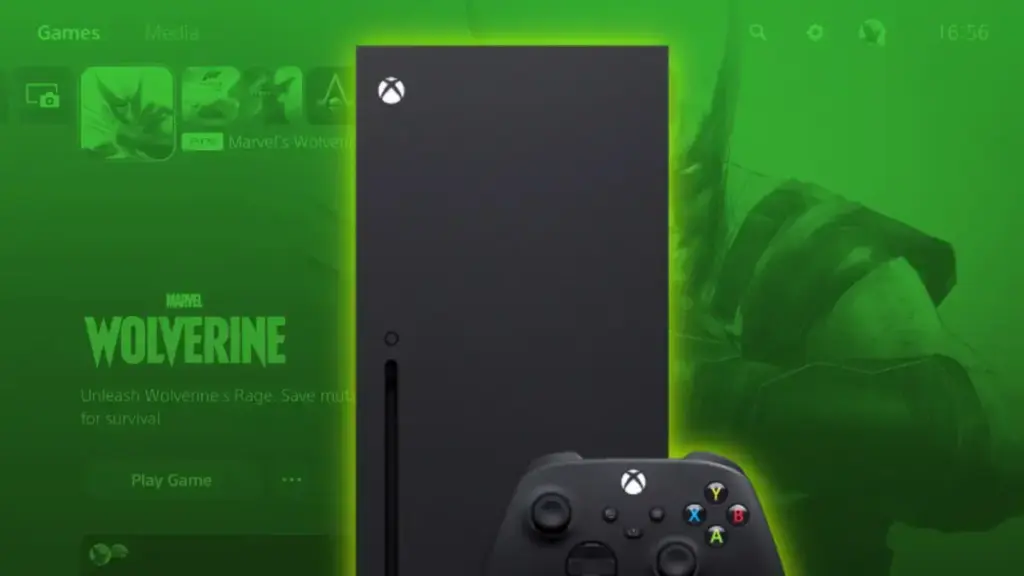
Select PlayStation 5 titles and PC conversions of Sony interactive entertainment releases are now running on Xbox Series X hardware through unofficial emulator ports and compatibility layers.
Key points
- Developers have booted select PlayStation 5 builds and PC ports on Xbox Series X hardware.
- The PS5X emulator port is based on the open-source KytyPS5 emulator project.
- Xbox Developer Mode caps available system memory for custom applications at 5GB.
- Modders have run PC versions of Sony titles like Spider-Man Remastered at 50 to 60 fps.
- Using Developer Mode for unapproved software or piracy carries the risk of account and hardware bans.
The milestone represents a notable step in cross-platform homebrew software. Modders and independent developers are taking advantage of Microsoft’s built-in developer ecosystem to load rival console software and Windows builds onto standard retail hardware without physical hardware modifications.
The KytyPS5 Port and Initial Xbox Milestones
The push to run PS5 games on Xbox Series X gained momentum in September 2026 when developer Devorn Cosmo Uenal released PS5X, an Xbox port of the open-source KytyPS5 emulator. The project arrived two months after Sony announced plans to end physical disc manufacturing for the PlayStation 5 in 2028.
Through video demonstrations, Uenal showed four playable PS5 software builds running on an Xbox Series X console:
- GEX Trilogy
- Hellboy: Web of Wyrd
- Marvel Cosmic Invasion
- Quake II
None of the four initial titles are PlayStation exclusives, and each features modest computational requirements. The standalone PC version of KytyPS5 handles higher-end software, running games such as Demon’s Souls and Astro Bot at more than 60 frames per second, while booting newer releases such as Marvel’s Wolverine at reduced performance levels.
Developer Mode Memory Limits and PC Compatibility Layers
The primary bottleneck for native emulation on Xbox hardware remains Microsoft’s sandbox restrictions. Consoles running in Developer Mode enforce a strict 5GB memory limit for user-deployed software, restricting the pool of RAM available to emulate complex PlayStation 5 architecture.
To bypass the boundaries of early emulation, independent modders expanded their approach in October 2026. Instead of relying solely on direct PlayStation 5 binary translation, developers began deploying PC editions of Sony titles through Universal Windows Platform (UWP) wrappers and custom compatibility layers.
Under this approach, high-profile Sony releases have booted on Microsoft’s flagship system. Titles such as The Last of Us Part 1 and Marvel’s Spider-Man Remastered have reached playable states, running at sustained performance targets between 50 and 60 frames per second within Developer Mode.
Cross-Platform Boundaries and Microsoft Policy Risks
The crossover highlights shifting software dynamics between rival gaming ecosystems. Microsoft continues to update its gaming ecosystem across consoles and personal computers, exploring broader distribution methods such as bringing legacy backward-compatible Games to Windows environments.
At the same time, Microsoft maintains commercial services like Xbox Game Pass alongside system software enhancements delivered through regular Xbox operating system revisions. Developer Mode remains intended for software creators building legitimate UWP applications rather than running unauthorized third-party commercial software.
Console owners attempting to configure experimental emulation builds face operational risks. Microsoft monitors network activity and policy enforcement across retail devices, and the distribution or execution of pirated assets risks permanent Xbox Network account terminations or hardware-level console bans.