Take-Two Interactive CEO Strauss Zelnick defended the digital-only release of Grand Theft Auto VI during the company’s August 7 earnings call. Zelnick stated that physical discs “don’t really make sense” moving forward, emphasizing digital ownership as the future of gaming.
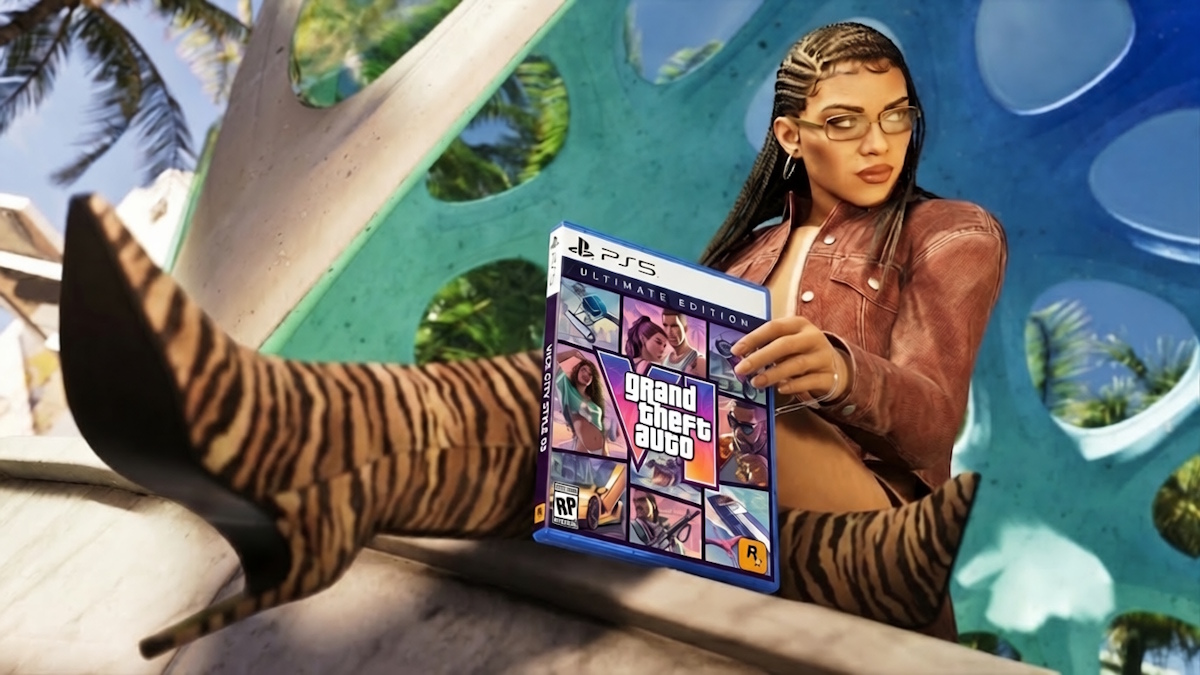
The executive’s comments highlight an accelerating industry trend away from physical media for major game launches. This shift could significantly alter how consumers purchase and access new titles, as well as impact traditional retail channels globally.
Zelnick elaborated on the company’s position, indicating that a “code-in-box” approach offers a viable alternative for maintaining a physical retail presence without manufacturing discs. This method involves selling a box containing a digital download code instead of a physical game disc. Take-Two Interactive, publisher of the highly anticipated Grand Theft Auto VI, is leaning into this strategy for its major upcoming title.
Many game publishers have increasingly embraced digital distribution for its efficiency and lower production costs. Dedicated disc-less consoles, such as the PlayStation 5 Digital Edition and the Xbox Series S, have already established a significant market presence. The decision by a major publisher for a flagship title like Grand Theft Auto VI, a game with immense global anticipation, further solidifies this broader industry transformation.
Furthermore, digital-only releases allow for more direct distribution, potentially offering faster updates, immediate access upon launch, and reducing environmental impact associated with manufacturing and shipping physical goods. This model also provides publishers with greater control over pricing strategies and promotional campaigns.
However, the transition away from physical media raises concerns among some consumers regarding long-term game ownership and the ability to resell or lend games. Digital titles are typically tied to user accounts and platform ecosystems, which can limit these traditional physical media freedoms and impact game preservation efforts.
Meanwhile, traditional brick-and-mortar game retailers will need to adapt their business models. They may increasingly focus on selling digital codes, gaming accessories, and other merchandise to remain relevant in a market shifting heavily towards online purchases. The growing digital market also presents new opportunities for subscription services and cloud gaming platforms.