





Epic Games released a redesigned desktop client in preview on October 14, introducing an overhauled interface engineered through an artificial intelligence-driven development process that the publisher claims operates faster than Valve’s Steam.
Key points
- Epic Games released a redesigned desktop launcher preview built using an AI-first development approach called vibe-coding.
- The new client loads in 5.47 seconds from a cold start compared to 10.07 seconds for Valve's Steam.
- Library performance is reportedly up to 30 times faster, adding visual collections, playtime tracking, and customizable navigation.
- The updated launcher architecture adds native Linux support, though the initial preview build remains unavailable on the platform.
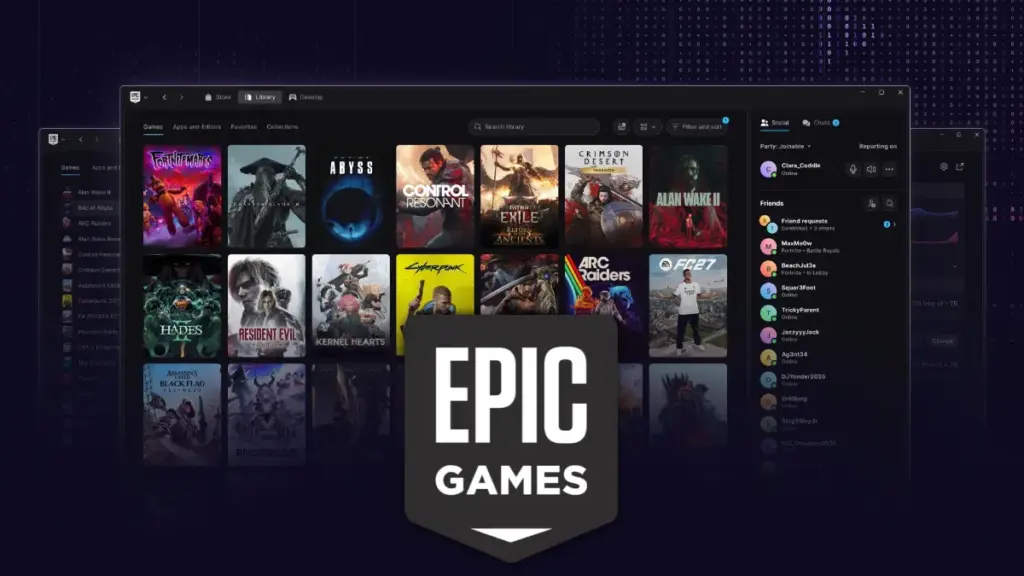
The updated client represents the company’s first concrete deployment of its AI-first engineering mandate, announced by Epic Games Chief Executive Officer Tim Sweeney on October 12, 2026. Players can test the early software build by installing it directly from the official Epic Games Launcher website.
Performance Benchmarks Against Steam
Performance metrics shared by Epic Games indicate substantial speed increases during everyday operations compared to rival desktop clients. From an initial cold start, the Epic Games Launcher preview opens the digital storefront in 5.47 seconds, whereas Steam requires 10.07 seconds under similar conditions.
Restoring the application window from the Windows system tray takes 0.36 seconds in the new Epic client, compared to 0.42 seconds in Steam. Navigation speeds across user libraries have also improved, with Epic reporting that the new client loads its game catalog approximately 30 times faster than the previous software release.
| Metric | Epic Games Launcher Preview | Valve Steam |
|---|---|---|
| Cold Start Storefront Load | 5.47 seconds | 10.07 seconds |
| System Tray Restoration | 0.36 seconds | 0.42 seconds |
Library Management and Interface Changes
Alongside raw speed improvements, the update restructures core navigation tools and brings critical account data forward. The main interface positions recently launched games prominently at the top of the window, alongside unified controls for monitoring active game downloads and updates.
Users can customize their browsing experience by toggling between structured Details views and graphic-heavy Grid layouts. The interface update includes several specific management options:
- Individual tracking metrics displaying total hours played per title.
- Tools to organize personal game libraries into custom visual collections.
- An option to hide unplayed or archived titles from primary lists.
- A customizable top navigation bar for quick access to preferred menus.
- Integrated social features built directly into the main desktop application shell.
Linux Support and AI Development Shift
The revised application introduces native support for Linux systems, addressing an operational gap long cited by desktop PC users. However, Epic noted that the early preview build remains limited to standard platforms for now and will not be accessible on Linux during this initial release stage.
The underlying software relies on an AI-assisted engineering methodology referred to internally as “vibe-coding.” The shift follows Sweeney’s broader directive to transition company operations toward AI-assisted software generation. Because the client is currently distributed as a preview release, Epic indicated that users may encounter functional bugs and requested community feedback to guide future development iterations.