
One javelin throw in Tokyo. One gold medal that broke a hundred-year wait for individual athletics glory. Neeraj Chopra didn’t just win a competition — he changed what an entire country believed was possible in track and field.
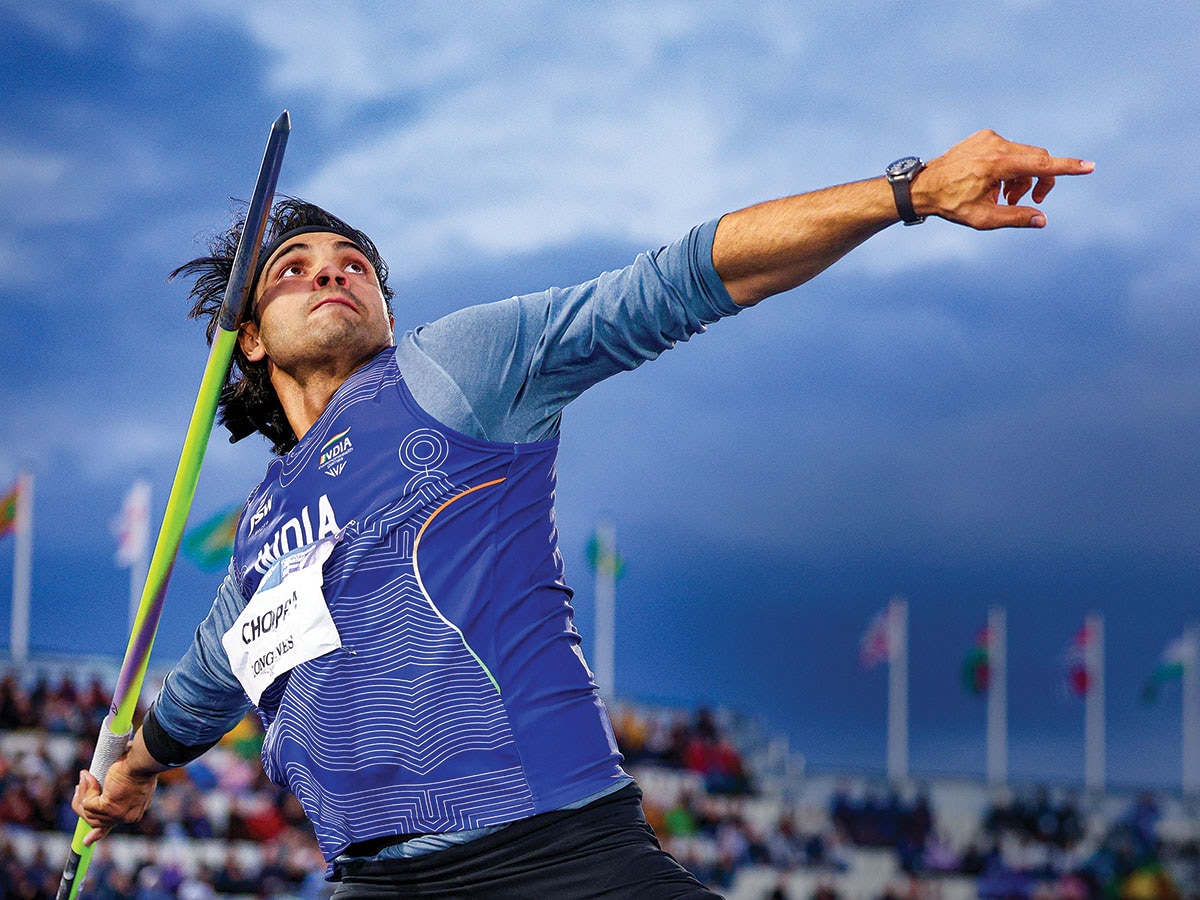
Chopra: From a Punjab Village to Olympic Gold
Chopra grew up in Khandra, a small village in Haryana. Nowhere near elite training facilities most Olympic champions come up through. Overweight as a kid, actually — his family enrolled him in local sports partly to help him slim down, not chasing some grand athletic dream.
Anyone wanting more ways to follow Chopra’s career and Indian athletics coverage might want to check out dbbet, which offers additional options for staying engaged with the action.
Javelin wasn’t some obvious calling either. He stumbled into it almost by accident, watching older athletes train at a nearby stadium and deciding to give it a shot himself. That casual beginning makes the eventual Olympic gold feel even more improbable in hindsight, honestly.
Coaches who worked with him early on mention his throwing motion looked raw but genuinely powerful from the start. Technical refinement came later — years of training, international exposure most young Indian athletes simply didn’t have access to back then. Getting that exposure changed everything.
Chopra’s Path to Gold:
| Stage | Milestone | Context |
| Childhood | Local sports participation | Weight management, not ambition |
| Teen years | Javelin discovery | Accidental introduction to the sport |
| Junior level | World junior record | First signs of genuine international talent |
| Tokyo 2020 | Olympic gold | India’s first individual athletics medal ever |
That Tokyo throw — 87.58 meters — still gets replayed constantly across Indian sports media. For good reason. Wasn’t just a personal achievement. Broke a specific kind of curse that had followed Indian athletics for generations, one nobody quite knew how to talk about until it finally ended.
Athletics: A Sport India Never Fully Invested In, Until Now
Athletics in India struggled for decades to attract funding, media coverage, or genuine grassroots interest compared to cricket’s overwhelming dominance nationally. Track and field programs existed, technically. Rarely got the resources needed to actually produce internationally competitive athletes at scale, though.
Chopra’s success forced a real conversation about that neglect. Suddenly parents were asking why javelin coaching wasn’t more widely available. Why athletics infrastructure lagged so far behind what cricket academies routinely offered young athletes across the country.
Government sports schemes started redirecting some attention toward athletics specifically after his win. Whether that translates into sustained investment remains genuinely uncertain, though. One gold medal doesn’t fix decades of underfunding overnight — no matter how inspiring the moment actually was.
What Chopra’s Win Exposed:
- Massive funding gaps between cricket infrastructure and athletics programs nationally
- Talented young athletes lacking access to proper coaching outside major cities
- Media coverage historically ignoring track and field until international success arrived
- Regional academies producing talent despite minimal institutional support
- Public interest in athletics spiking dramatically, though inconsistently, post-Tokyo
Whether this moment becomes a genuine turning point or just a temporary spike in attention depends heavily on what happens with funding and infrastructure over the next several years. Not just how loud the celebrations were back in 2021.
Indian Sport: A Broader Shift Still Taking Shape
Indian sport beyond cricket has needed a moment like this for a long time, honestly. A genuine breakthrough that proves success outside the country’s dominant obsession is actually achievable with proper support and investment behind it.
Chopra’s continued success since Tokyo — world championship medals, consistent top-tier performances — suggests his win wasn’t a fluke. That consistency matters enormously for changing how young athletes and their families think about pursuing athletics as a real career path.
Other athletes have started citing him directly as inspiration. Exactly the kind of ripple effect Indian sport desperately needed. One athlete succeeding publicly and visibly tends to open doors for an entire generation watching closely, whether that’s fair or not.
Bottom Line
Chopra’s rise from a small Haryana village to Olympic champion reflects genuine talent meeting opportunity, even when that opportunity arrived through unlikely, almost accidental circumstances.
Athletics in India remains underfunded compared to cricket, though Chopra’s success has at least opened a real conversation about fixing that imbalance going forward.
Indian sport needs more stories like his to genuinely diversify beyond cricket’s shadow, and his continued success suggests the moment wasn’t just a one-off.
His journey shows how much untapped talent likely exists in rural India, waiting on infrastructure and coaching access that simply hasn’t reached it yet.
Where Indian athletics goes from here depends on sustained investment, not just the inspiration one gold medal understandably provided an entire nation.
