




Wearable smart glasses face an uphill battle with consumer trust as privacy concerns and social stigma surrounding embedded camera hardware continue to escalate across the consumer electronics sector.
Key points
- Smart glasses with embedded cameras face mounting consumer pushback over covert recording and privacy misuse.
- Meta Ray-Ban hardware suffered from privacy LED bypasses that went unpatched until July 2026.
- Upcoming Android XR glasses from Samsung and Google will include cameras across every style option.
- Samsung confirmed built-in anti-tampering protections to prevent users from disabling recording indicators.
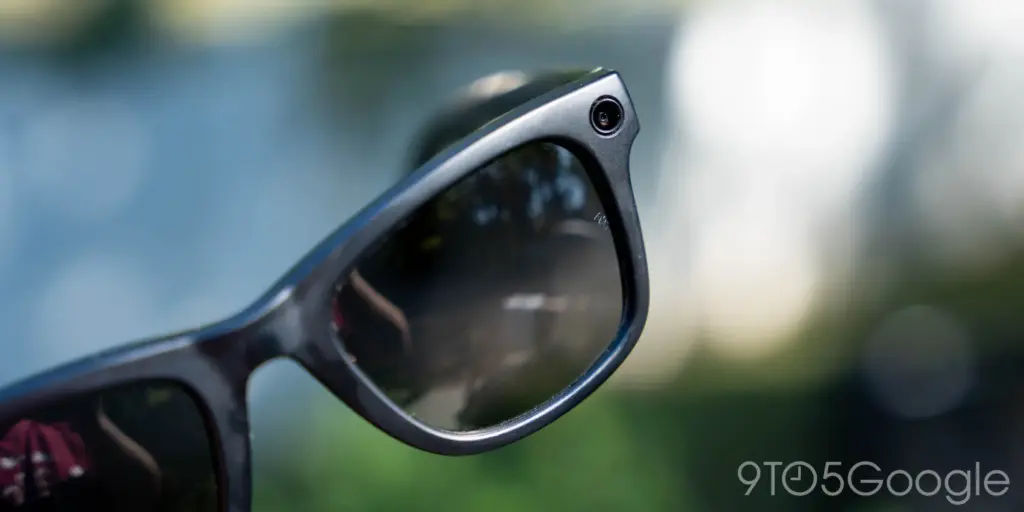
The issue has intensified as hardware manufacturers prepare to launch next-generation connected eyewear. While audio-based models and displays offer utility, the integration of outward-facing camera lenses has generated persistent friction with bystanders wary of non-consensual point-of-view recording in public spaces.
Hardware Tampering and Privacy Indicator Vulnerabilities
Much of the current consumer pushback stems from long-standing controversies surrounding Meta’s Ray-Ban glasses. The product popularized POV recording for casual activities and real-time artificial intelligence prompts, but it also became a focal point for covert surveillance concerns.
Third parties operated workarounds for nearly two years to disable the physical privacy LED that illuminates when the glasses capture photo or video. Meta implemented a software fix to address those bypasses in July 2026, followed by additional patches targeting remaining indicator loopholes.
Trust eroded further following reports detailing human moderation teams reviewing unedited video recordings. Unconfirmed leaks regarding Meta’s potential deployment of facial recognition software and always-on continuous recording modes have further heightened hesitation among privacy-conscious consumers.
Android XR Eyewear Prepares for Market Debut
The controversy creates an immediate challenge for Google and Samsung as they finalize their initial hardware running Android XR. Every launch style in the upcoming lineup includes an onboard camera sensor.
Samsung stated that its forthcoming hardware integrates tamper-detection protections directly into the system architecture to prevent users from obscuring or disconnecting recording lights. The company aims to preempt the illicit modifications that impacted competitor devices over the past two years.
Camera-equipped frames offer distinct functional features, including translating foreign text, scanning documents, identifying real-world objects, and capturing wide-angle landscape media. Competing models such as the L’atitude 52°N Berlin offer landscape image capture, though performance remains variable in direct sunlight environments.
The Trade-Off Between Camera Utility and Public Acceptance
Alternative hardware platforms have attempted to remove imaging sensors entirely to avoid social backlash. Models from makers like Even Realities deliver notification management and heads-up displays without outward-facing lenses.
However, omitting the sensor eliminates major interactive capabilities. Real-time visual AI queries, object descriptions, visual searches, and hands-free video recording all require dedicated optical sensors on the frame.
Manufacturers must now convince a skeptical public that camera-equipped wearables feature reliable safeguards against covert use before the category can achieve widespread mainstream acceptance.