A tech reviewer who initially criticized the Google Pixel 11 Pro for buggy software and poor battery life now says the phone has improved dramatically after two months of use and multiple Android 17 updates.
Key points
- A reviewer's two-month follow-up with the Pixel 11 Pro found most early software bugs have been fixed.
- Android 17 QPR2 Beta 7, released October 9, 2026, fixed a battery drain bug tied to the Flip to Shh feature.
- Battery life improved from losing up to 25% on standby to just a few percent overnight after updates.
- The HiLight notification light feature is reportedly getting a bigger upgrade before the end of the year.
- The Pixel 11 Pro still starts at $1,099, a price the reviewer calls hard to justify compared with the standard Pixel 11.
The turnaround matters because the Pixel 11 Pro launched with enough rough edges that some reviewers questioned whether it was ready for sale. Google’s pattern of shipping flagship phones with early software problems, then fixing them through a string of beta updates, has repeated itself with this release, raising questions about whether buyers should wait before adopting a new Pixel.
Early Bugs Gave Way to a String of Fixes
In the first two weeks after release, the reviewer experienced app ghosting, freezes, crashes and random reboots. Other early adopters reported similar problems with NFC, 4K video audio, the AI-powered Video Boost feature and scrolling performance.
Google addressed many of these issues through Android 17 beta updates. Android 17 QPR2 Beta 7, released October 9, 2026 with build number CP41.260831.016, fixed a battery drain bug tied to a feature called Flip to Shh, which was keeping phones awake instead of letting them sleep. That update also patched a bug that broke secure downloads and covered devices from the Pixel 6a through the Pixel 11 series, along with Pixel Tablet and Fold models.
A later update, Android 17 QPR3 Beta 2, rolled out to all supported Pixel devices with more than 20 fixes, addressing crashes that caused reboots, Quick Settings tile glitches, undersized system UI elements, Bluetooth pairing failures and high idle battery drain. The QPR3 Beta 1 build that preceded it had introduced its own set of problems, continuing a cycle of bugs and patches that has become familiar across recent Pixel generations.
Battery Life Went From a Liability to a Non-Issue
Battery performance was one of the sharpest early complaints. The 4,850mAh cell was losing as much as 25% of its charge overnight on standby, even without active use, limiting the phone to barely a full day between charges.
After the software updates, overnight drain dropped to just a few percent, and the phone now regularly lasts close to two days on a single charge. The reviewer attributes the change to either the updates or the phone adapting to usage patterns over time, though it’s unclear which played the bigger role. Battery life still trails the best phones on the market given the relatively modest cell size, but it no longer feels like a major compromise tied to the phone’s compact form factor.
The HiLight Feature Fades Into the Background
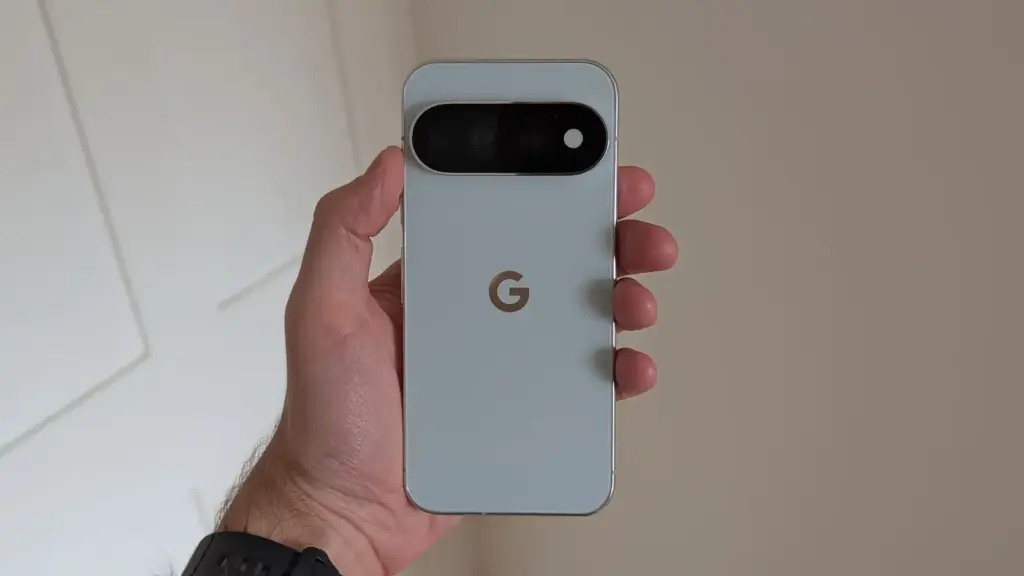
One of the phone’s marketed features, a notification light called HiLight placed next to the rear cameras, drew sharp criticism in the initial review as a wasted use of space. The feature can be turned off, but the white hardware element remains visible regardless of whether it’s active.
Two months on, the reviiewer says the feature is easy to ignore once you’re used to the phone. Google is reportedly planning a larger upgrade to HiLight before the end of the year, which could make it more functional by January. For now, its presence is a minor cosmetic issue rather than the dealbreaker it first appeared to be.
Camera Performance and the Lingering Price Problem
What hasn’t changed is the strength of the camera system, which the reviewer still rates as the best point-and-shoot setup on any phone. Photos come out consistently sharp across lighting conditions, portrait mode produces a convincing background blur, and selfie quality stands out compared with rivals. The Tensor G6 chip inside the phone also shows measurable gains over its predecessor, with a 21% improvement in multi-core and 17% in single-core Geekbench 6 performance, though it still lags behind the latest chips from Apple, Qualcomm and MediaTek.
Pricing remains the biggest obstacle. The Pixel 11 Pro starts at $1,099, a jump from the $999 launch price of last year’s Pixel 10 Pro, which is now often available at a steep discount. The standard Pixel 11 starts at $899, making the Pro model a tough sell unless Google cuts the price around Black Friday on November 27, which could make the device more competitive against other phones in its class. Design leaks ahead of launch, including a report on the Pixel 11 Pro XL’s camera bar and a separate leak covering the Pixel 11 Pro‘s missing temperature sensor, had suggested the phone would be an incremental update over its predecessor, a view that largely held up at launch.
Android 17’s stable release is expected around December, roughly two months after the current beta cycle, which has already produced eight builds in 12 weeks.