





The Google Pixel 11 Pro is now facing extended real-world testing following its retail rollout, showing strong camera hardware alongside software bugs, mixed gaming performance, and an increased starting price of $1,099.
Key points
- The Google Pixel 11 Pro starts at $1,099 in the United States.
- Google replaced the rear temperature sensor with a new HiLight notification LED.
- The Tensor G6 processor handles everyday tasks and AI features but struggles under heavy gaming loads.
- Hardware changes include a memory drop to 12GB of RAM and a 4,850 mAh battery.
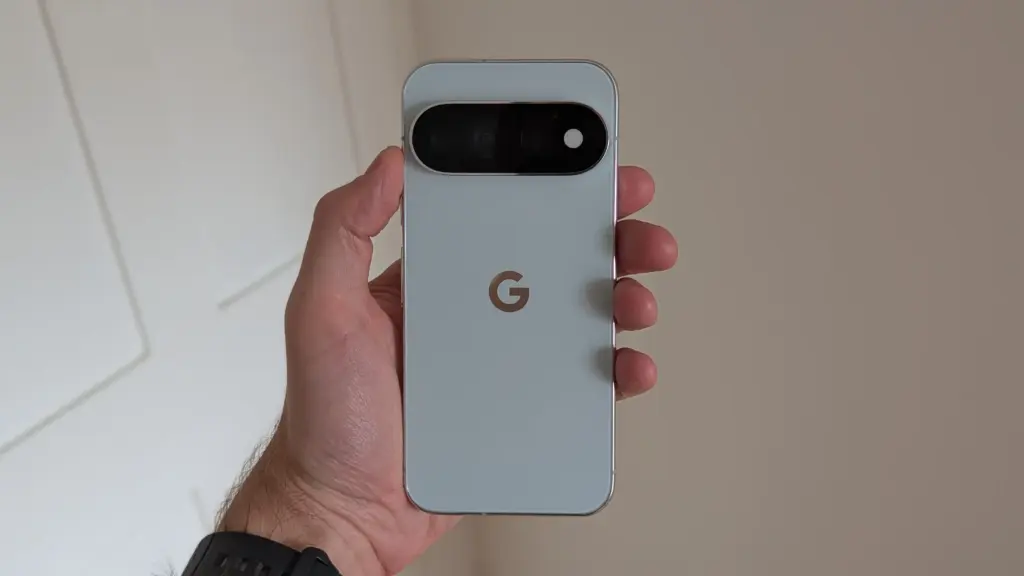
As Google’s compact flagship, the device aims to pack the camera systems of the larger Pro XL into a 6.3-inch form factor. However, initial reviews indicate that hardware trade-offs and software inconsistencies complicate the proposition for shoppers comparing models in the premium price bracket.
Camera Bar Redesign Replaces Thermometer with HiLight
Google revised the physical styling of the camera visor on the Google Pixel 11 Pro. The horizontal module is now fully covered in glass, eliminating the metal section on the right side seen on previous models. The chassis retains an IP68 rating for dust and water resistance, using Gorilla Glass Victus 2 on both the front display and back panel, supported by an aluminum frame.
To achieve the unified glass look, Google removed the infrared temperature sensor found on earlier iterations. In its place sits HiLight, a dedicated rear indicator light built into the camera bar. Google designed the module to light up for incoming calls from priority contacts and pulse during Gemini AI interactions when the phone rests facedown. Early testers note the feature offers limited customization and currently lacks general app notification support.
The phone sells in four finishes: Obsidian, Canyon, Olive, and Fog. Official cases provide extra grip, which proves necessary given the slick glass exterior.
Tensor G6 Delivers AI Tools Alongside Gaming Limits
The device runs on Google’s new Tensor G6 processor, fabricated on a 3nm process. Everyday functions—including split-screen multitasking, web browsing, and general navigation on Android 17—run reliably. Google focused the chip’s architecture on machine learning, speeding up local document processing, text generation, and audio tasks handled by Gemini Nano.
Demanding mobile games reveal performance bottlenecks, partly tied to the device shipping with 12GB of RAM rather than the 16GB configurations used on earlier Pro models. While Call of Duty: Mobile sustains a steady 60 frames per second on high settings, titles such as Asphalt Legends and Genshin Impact experience stuttering and dropped frames when graphical settings are pushed to maximum levels.
Camera performance remains a primary strength of the setup. The handset houses a 50-megapixel primary wide sensor, a 48-megapixel ultrawide sensor, and a 48-megapixel telephoto lens with 5x optical zoom, supported by a 42-megapixel front camera. Video capture extends up to 8K resolution, and Google added Magic Capture to streamline automated image corrections.
Display Upgrades, Battery Life, and Charging
The 6.3-inch LTPO OLED Super Actua display provides a resolution of 1280 x 2856 with an adaptive 120Hz refresh rate. Google increased advertised peak brightness to 3,600 nits, up from 3,300 nits on the prior generation. Outdoor testing confirms around 950 nits in direct sunlight, ensuring clear screen legibility.
Screen sensitivity settings remain limited for users affected by pulse-width modulation flicker. The display defaults to a 240Hz dimming rate, though users can adjust the frequency up to 480Hz in accessibility settings. Biometrics rely on an ultrasonic under-display fingerprint reader alongside a secure 3D face unlock system cleared for banking authentication.
Power comes from a 4,850 mAh battery pack. Wired charging peaks at 30W, while wireless charging supports the updated 25W Qi2.2 magnetic standard. In initial testing, battery longevity proved modest, often requiring top-ups before the end of heavy workdays.
Lineup Context and Retail Availability
Google introduced the phone during its hardware showcase as detailed on the official Google product portal. The compact flagship launched alongside the larger Pixel 11 Pro XL, the Pixel 11 Pro Fold, and the base Google Pixel 11.
The announcement followed broad availability targets confirmed after the initial Google Pixel 11 event, with units reaching general retail on August 25. Pricing starts at $1,099 in the United States, £1,079 in the United Kingdom, and €1,099 in European markets, available directly through the Google Store.
- Display: 6.3-inch 120Hz LTPO OLED, 1280 x 2856 resolution, 3,600 nits peak
- Processor: Google Tensor G6 with Gemini Nano support
- Memory and Storage: 12GB RAM, base storage starting at 128GB
- Rear Cameras: 50MP wide, 48MP ultrawide, 48MP 5x telephoto
- Front Camera: 42MP
- Battery: 4,850 mAh, 30W wired, 25W Qi2.2 wireless
- Durability: IP68 rating, Gorilla Glass Victus 2
- Operating System: Android 17
The revised pricing places the phone under increased competition from rival flagships. While Google’s camera tuning and core software functions deliver consistent results, buyers prioritizing sustained graphical performance and extended battery endurance face clear compromises.