Google’s Gemini AI assistant will soon replace Google Assistant in vehicles running Android Automotive. This follows its recent integration into Android Auto, expanding Gemini’s in-car presence.
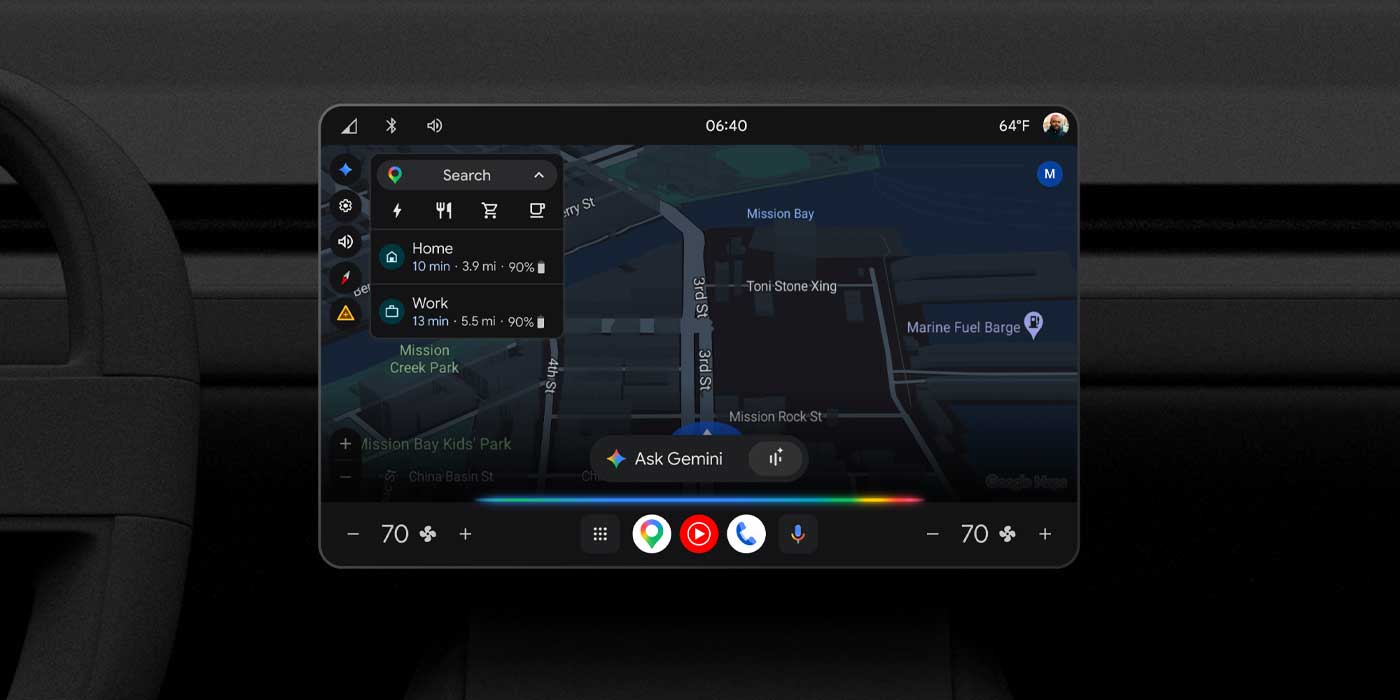
This update signifies Google’s ongoing strategy to integrate its advanced AI models into the automotive sector, aiming to enhance user interaction and functionality for drivers and passengers. The change is designed to deliver a more capable and conversational voice assistant experience directly through the car’s built-in infotainment system. Drivers will gain access to Gemini’s expanded capabilities for tasks such as navigation, media playback control, and other vehicle-specific functions.
Crucially, the integration of Gemini for Android Automotive will not be exclusive to brand-new car models. Existing vehicles already operating on the Android Automotive operating system are also slated to receive the update. This broad availability ensures that a wider range of users can access the new AI features, extending benefits beyond the newest vehicle purchases. Android Automotive is a comprehensive operating system built directly into the vehicle’s hardware, differing from Android Auto, which functions by projecting a smartphone’s interface onto the car’s display. Further details on the platform can be found on the official Android Automotive OS developer page.
Meanwhile, Google has been systematically rolling out Gemini across its diverse product ecosystem. Its earlier introduction to Android Auto earlier this year served as a precursor to this more extensive automotive integration. The company’s goal is to establish a unified and consistent AI experience across various devices and platforms, from smartphones to in-car systems. Users interested in exploring Gemini’s full range of features can visit the official Gemini website for more information.
The transition from Google Assistant to Gemini is anticipated to occur via over-the-air software updates for compatible vehicles. The exact timelines for this rollout may vary, depending on individual car manufacturers and specific regional markets. This development underscores the increasing trend of sophisticated AI assistants becoming standard components in modern vehicles, providing hands-free control and convenient access to information while driving.