A revolutionary new wearable is on the horizon, as Google is reportedly preparing to launch an innovative screenless Fitbit tracking band. This upcoming device aims to redefine personal health monitoring, drawing direct comparisons to the popular Whoop band with its focus on continuous, discreet health insights.
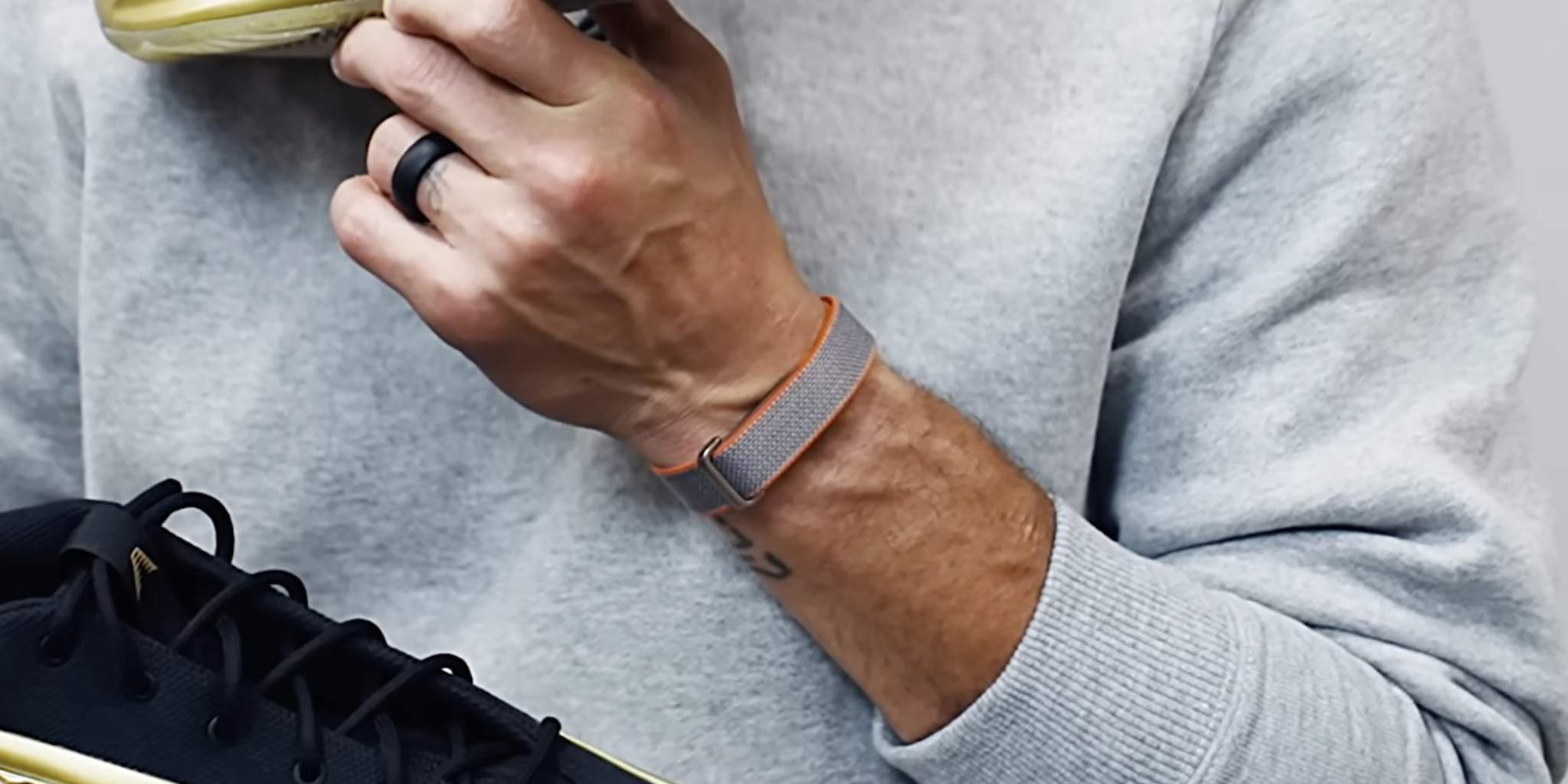
Leaked details and a high-profile tease from NBA superstar Stephen Curry confirm that this new Google Fitbit band is more than just a rumor. Curry was recently seen sporting the device, hinting at a “new relationship with your health” that suggests a launch could be imminent.
A Discreet Design for Constant Tracking
Unlike traditional smartwatches that feature a display, Google’s new Fitbit band is designed to be worn 24/7 without a screen or buttons. Early glimpses suggest a gray cloth design with distinctive orange lining, offering a low-profile aesthetic similar to what Whoop currently offers. This design choice prioritizes comfort and continuous data collection, particularly for detailed sleep tracking, an area where bulky smartwatches often fall short.
The core functionality of this new wearable centers on passive health tracking. Instead of displaying metrics on your wrist, all insights and data will be seamlessly pushed to the redesigned Fitbit app on your smartphone.
AI-Powered Health Coaching at Its Core
What truly sets this device apart is its deep integration with Google’s advanced AI. The new Fitbit band will leverage the company’s Gemini-powered personal health coach, transforming raw data into actionable insights. This AI coach is expected to provide comprehensive guidance, including:
- Personalized recovery insights
- Mental health check-ins
- Nutrition guidance and hydration tracking
- Cycle tracking
This conversational AI aims to offer a holistic view of your well-being, moving beyond simple step counts to deliver truly personalized health recommendations.
The Subscription Model: A Familiar Approach
However, interested users should note the anticipated subscription model. Reports indicate Google will adopt a hybrid approach: the hardware will be purchased upfront, but many of the advanced health features and AI coaching capabilities will require a paid subscription. This strategy mirrors that of Whoop, which has successfully demonstrated that users are willing to pay for valuable, in-depth health insights.
Whoop’s Influence on Design and Strategy
The screenless design and subscription model directly challenge Whoop, a company known for its focus on recovery, sleep, and strain tracking without a traditional display. Whoop’s success in cultivating a loyal user base, particularly among athletes, by offering detailed health metrics and performance optimization, has clearly influenced Google’s direction with this new Fitbit device.
What This Means for Wearable Tech
This new screenless Fitbit band represents a significant move for Google in the competitive wearable technology market. It allows the Fitbit brand to thrive in a distinct category, separate from the Pixel Watch line, which focuses on smart functionality. For consumers, it offers a compelling alternative for those who desire continuous, in-depth health tracking without the distractions or bulk of a smartwatch, particularly for sleep. The emphasis on AI-driven personalized coaching also signals a shift towards more proactive and guided health management from wearable devices.
Conclusion
Google’s upcoming screenless Fitbit band is poised to be a game-changer, blending discreet design with powerful AI-driven health coaching. While the subscription model might be a familiar concept for some, the promise of comprehensive, personalized insights delivered through the Fitbit app could make this a compelling option for anyone looking to deepen their understanding of their health and optimize their well-being. Expect more official details to emerge soon as the rumored 2026 launch approaches.