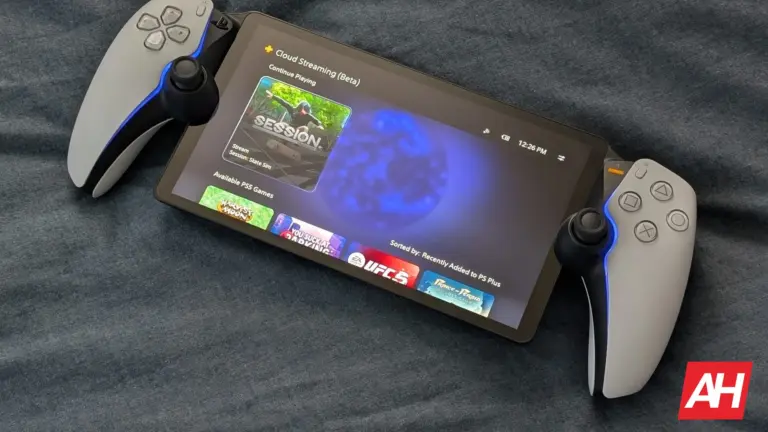

Sony’s next-generation PlayStation 6 may face steep production hurdles, with memory and solid-state storage components alone reportedly costing the company more than $680 per console.
Key points
- Hardware leaker KeplerL2 claims the PS6 memory and storage costs alone will surpass $680 per unit.
- Rising RAM and NAND prices driven by AI data center demand are inflating component expenses across the industry.
- Sony previously confirmed that PS6 launch timing remains undecided because of widespread supply chain challenges.
- The upcoming console reportedly features 40 TFLOPS of compute power compared to 56 TFLOPS for Xbox Project Helix.
Hardware insider KeplerL2 revealed the estimate during an online discussion on NeoGAF, pushing back against expectations that the system could launch at a lower consumer price point. The claim indicates that the bill of materials for high-speed RAM and NAND flash storage will prevent Sony from offering an aggressively subsidized machine at retail.
Rising Component Prices Pressure Next-Gen Hardware
Surging commercial demand from artificial intelligence data centers has placed significant pressure on global memory chip supply chains. This procurement bottleneck has sharply increased wholesale costs for high-density DRAM and solid-state storage modules across consumer electronics.
The high PS6 memory and storage costs suggest the final machine could easily cross the $1,000 threshold when retail margins, cooling solutions, custom silicon, and distribution expenses are included. Sony has already adjusted its pricing structure upward in response to current economic pressures, with the standard PS5 priced at $649.99 and the PS5 Pro commanding $899.99.
Performance Projections and Silicon Development
KeplerL2 previously reported that both Sony and Microsoft have completed physical tape-out milestones for their upcoming console processors. Silicon development leaks provide a preliminary baseline for the expected hardware capabilities across both major platforms.
| Console Platform | Reported GPU Compute | Silicon Status |
|---|---|---|
| Sony PlayStation 6 | 40 TFLOPS | Taped Out |
| Xbox Project Helix | 56 TFLOPS | Taped Out |
While Microsoft’s planned system targets higher raw compute throughput on paper, production yields and thermals will govern real-world operational speeds. The performance profile of the upcoming PlayStation hardware will rely heavily on modern architecture efficiency rather than raw core scaling alone.
Release Delays and Shifting Platform Strategy
Sony executives have signaled caution regarding release timelines amid the tightening parts market. In August 2026, Sony Chief Executive Hiroki Totoki confirmed that the company had not yet established a firm launch target for its next system due to ongoing global component constraints.
Inventory for the high-end PS5 Pro remains constrained worldwide ahead of major software releases, highlighting the broader manufacturing limits facing the industry. These supply constraints may prevent Sony from preparing an adequate volume of consoles for a retail debut in the near term.
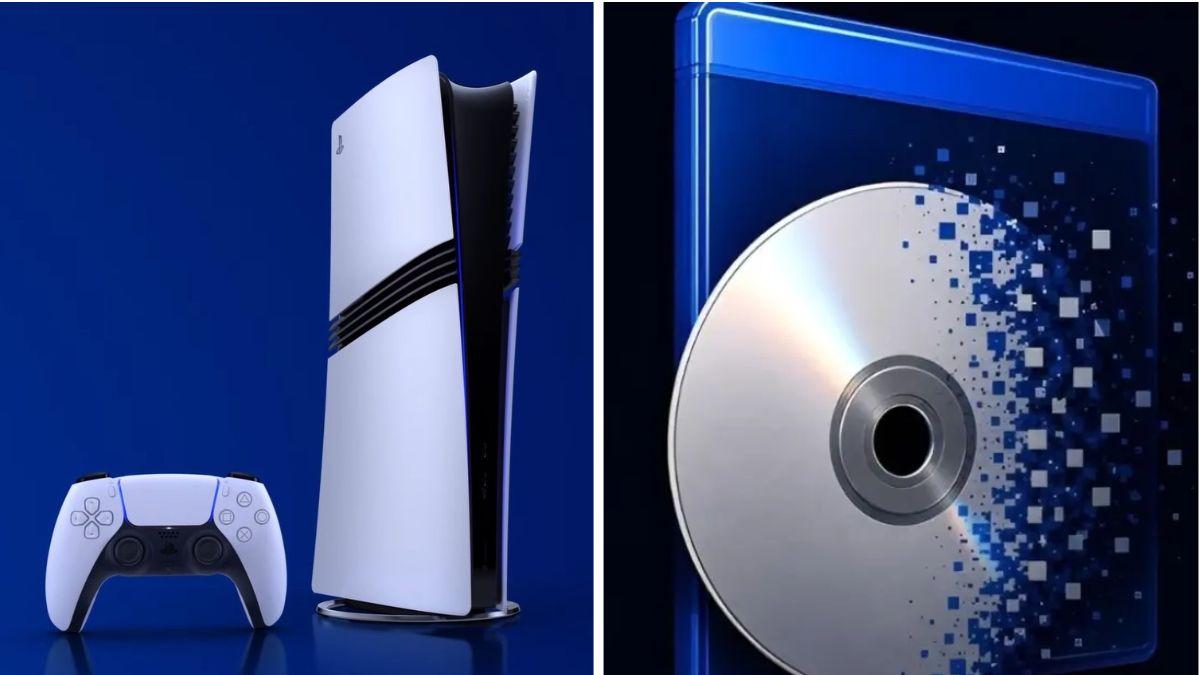
The company has also decided to bypass CES 2027, an event where analysts previously anticipated an early hardware reveal. In addition, broader changes to the PlayStation software distribution model—including plans to phase out physical optical media in favor of digital voucher boxes—continue to reshape how players evaluate the platform’s future value proposition.