Samsung previewed future AI glasses during its latest earnings call, concurrently cautioning that the global RAM crisis is expected to intensify significantly by 2027.
This development indicates Samsung’s strategic focus on augmented reality technology, while also highlighting a critical industry challenge concerning the availability of essential memory components for various devices.
Future Devices
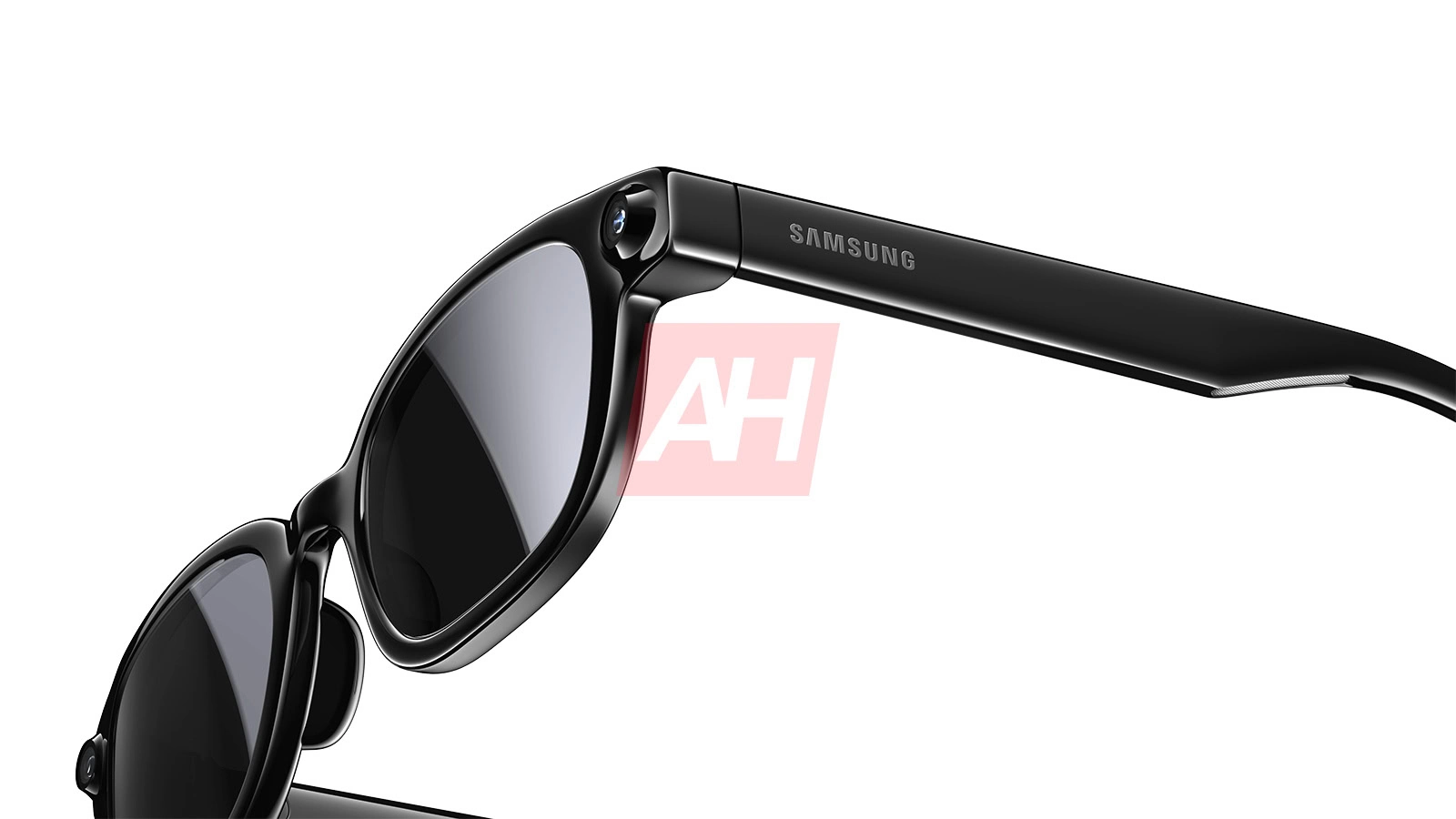
The company offered a brief tease of its “AI glasses” during the call. Specific details regarding features, release dates, or pricing were not disclosed by the manufacturer. These devices are expected to leverage artificial intelligence capabilities to enhance user experience. Samsung’s official website offers more information on its product categories.
Industry Challenges
According to Samsung, the current shortage and rising costs of Random Access Memory (RAM), a vital component in computing devices, will worsen. The company projects this “RAM crisis” to become more severe in 2027, impacting production and potentially leading to higher costs across the consumer electronics sector. This forecast follows ongoing discussions within the semiconductor industry about supply chain constraints and increasing demand for high-performance memory, driven partly by advancements in artificial intelligence and cloud computing infrastructure. The Semiconductor Industry Association tracks market trends and provides industry insights.
Market Context
The teased AI glasses suggest Samsung’s entry or expansion into the growing smart glasses market, an area where companies are exploring new forms of human-computer interaction. Meanwhile, the projected RAM challenges could affect the broader tech landscape, influencing everything from smartphone manufacturing to data center operations. Consumers may experience price adjustments or availability issues for various electronic products as a result of these memory market pressures. For more on smart glasses technology, general tech industry resources like The Verge’s smart glasses coverage can provide context.