Gaming industry analyst Joost van Dreunen says the Democratic Party’s takeover of both chambers of Congress in the 2026 midterm elections could push Microsoft closer to selling its Xbox gaming division, even as company executives insist the business is not for sale.
Key points
- Democrats won control of the House and Senate in the 2026 midterm elections.
- Analyst Joost van Dreunen says the political shift could push Microsoft toward selling Xbox.
- Xbox CEO Asha Sharma told The New York Times in September that Xbox is not for sale.
- Xbox cut roughly 3,200 jobs and divested five studios during a July 2026 restructuring.
- Xbox generated $5.4 billion in quarterly revenue, down 2% year over year, trailing Microsoft's ad business.
The claim matters because it revives a debate that has followed Xbox for much of the year: whether Microsoft’s shrinking appetite for gaming, paired with its ballooning investment in artificial intelligence, makes a sale or spinoff more likely than the company admits.
What Van Dreunen Argues in His November 5 Post
In a Substack post titled “The election that could break up Xbox”, Van Dreunen wrote that the midterm results could accelerate trends already reshaping the gaming industry, including Microsoft’s AI ambitions, rising console prices and tighter scrutiny of online platforms. He pointed to growing local opposition to data centers as one pressure point, citing a Wall Street Journal report that more than 40 towns and counties debated measures to limit data center construction this year, with at least 10 voting to restrict or ban new projects.
For Microsoft, which has poured billions into AI infrastructure and the data centers that power it, that kind of local resistance adds friction to its biggest growth bet. Van Dreunen’s theory is that if Democratic control of Congress brings more regulatory attention to data centers and AI spending, Microsoft may look for ways to free up cash and simplify its portfolio. Xbox, in his view, is a candidate.
Sharma’s Denial and the Restructuring That Preceded It
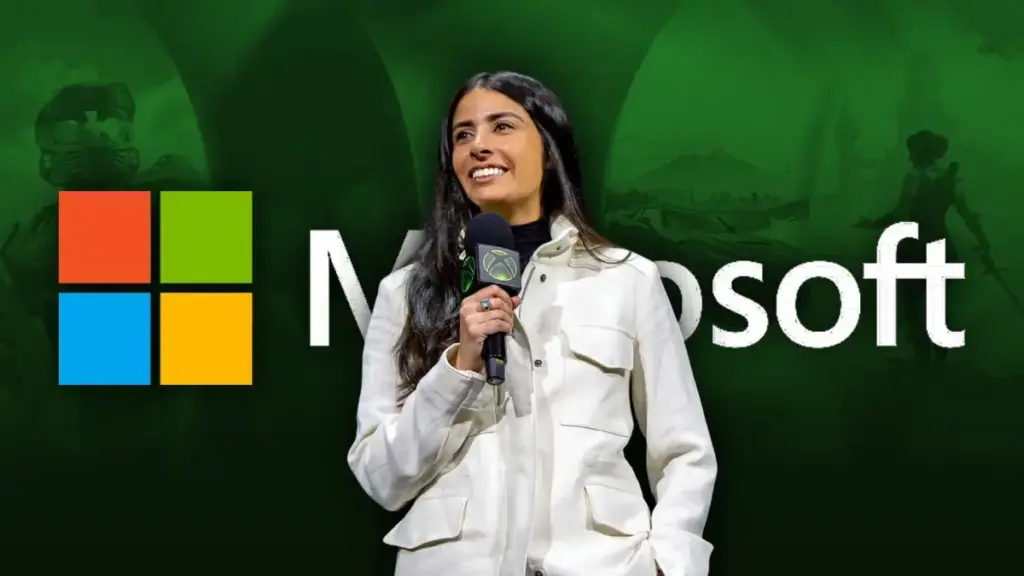
Xbox CEO Asha Sharma addressed sale speculation directly in September, telling The New York Times, “Xbox is not for sale.” She added that the division would pursue “the right partnerships, the right operating model and everything needed to achieve that,” and said Microsoft was taking “the long-term view” on gaming. Sharma, who has no prior video game industry background, was appointed to lead Microsoft Gaming on Feb. 20, 2026, drawing on her experience in user acquisition as Xbox grappled with declining console sales.
Her comments came months after what became known internally as the “Xbox Reset,” a July 2026 restructuring that cut roughly 3,200 jobs and divested five studios, described as the most significant shake-up in the division’s history. Microsoft CEO Satya Nadella offered a muted endorsement of the changes on the Sources Podcast, saying, “There’s some amount of streamlining the team is doing, and Asha is doing, which is great to see.”
The Numbers Behind the Pressure
Xbox generated $5.4 billion in revenue last quarter, including Game Pass subscriptions and other services, down 2% from the same period a year earlier. Microsoft’s Search and Advertising division, by contrast, grew from $5.9 billion to $6.6 billion over the same stretch, widening the gap between gaming and the company’s other business lines. The contrast underscores why gaming increasingly looks like a secondary priority inside a company whose cloud and AI units dominate its balance sheet, even after the $70 billion Activision Blizzard acquisition.
- Xbox quarterly revenue: $5.4 billion, down 2% year over year
- Search and Advertising revenue: grew from $5.9 billion to $6.6 billion
- July 2026 restructuring: roughly 3,200 jobs cut, five studios divested
- Reported private equity valuation interest in Xbox: $100 billion to $150 billion
Xbox XP, Xbox Labs and the Case for a Sale
Van Dreunen also points to Sharma’s recent announcements of Xbox XP, a unit focused on turning gaming franchises into films and TV shows, and Xbox Labs, an experimental research arm exploring AI-powered game development. He argues Xbox XP in particular could make the brand more attractive to buyers by presenting it as a traditional entertainment company rather than a hardware and services business tied to Microsoft’s cloud infrastructure. Neither initiative’s scope or timeline has been detailed beyond the analyst’s commentary.
The speculation follows earlier reports from The Information that private equity firms explored acquiring Xbox at a valuation between $100 billion and $150 billion, and internal Microsoft discussions about a possible spinoff. Van Dreunen had previously predicted Xbox would shed assets, though in an earlier post he expected King Digital, the mobile studio behind Candy Crush, to be the most likely piece sold off rather than the console and services business as a whole.
None of this amounts to a confirmed plan. Microsoft has repeatedly denied that Xbox is for sale, and Van Dreunen’s analysis remains speculation built on election results, regulatory trends and corporate restructuring rather than any stated intention from the company. Xbox has continued operating as a standalone division even as it tightens budgets elsewhere, including a move to cap Game Pass Ultimate cloud gaming hours at 15 per month starting this November. Meanwhile, the company continues work on hardware, including signs that its upcoming Project Helix console will keep supporting physical games for Xbox, and has rolled out smaller updates like customizable startup screens for Xbox Insiders, suggesting day-to-day product work is proceeding regardless of the sale chatter.