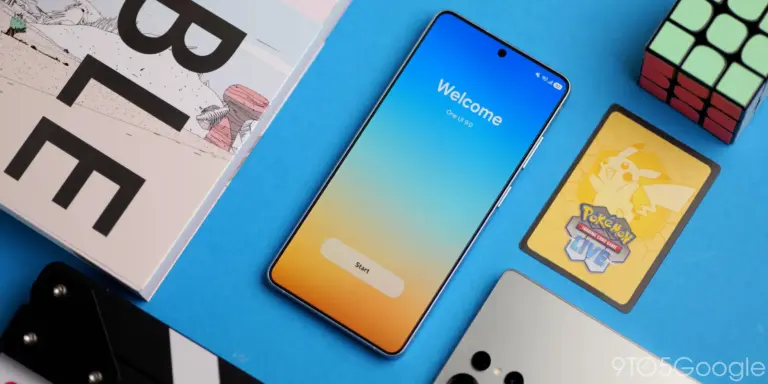
Google began rolling out the stable Android 17 QPR1 release to supported Pixel smartphones on September 15, introducing visual refinements to standard status bar indicators alongside its quarterly feature additions and monthly security patches.
Key points
- Android 17 QPR1 replaces the status bar mute speaker icon with a crossed-out bell.
- Google originally switched from the bell icon to the speaker icon in Android 14.
- The change appeared only in the stable build and is absent in current Android 17 QPR2 betas.
- The update also thickens the VPN status indicator and adds customizable notification haptic patterns.
The most noticeable interface adjustment alters the system mute indicator. When a device is set to silent mode, the status bar now displays a crossed-out bell icon instead of the crossed-out speaker icon that Google adopted in previous platform releases. The update also applies minor cosmetic tweaks across the top panel, including a thicker, filled-in icon for active virtual private network (VPN) connections.
Reverting the Silent Mode Indicator
Google initially used a crossed-out bell for silent mode before replacing it with a crossed-out speaker during the release of Android 14. That change aimed to align the top indicator with system volume terminology, though the top toggle in the Pixel volume slider continued to use a bell symbol.
With the arrival of the stable Android 17 QPR1 release, the bell icon has returned to the status bar. The change went unnoticed during public testing because it was completely absent throughout the earlier preview period. Beta releases leading up to the public rollout continued to display the speaker icon.
Subsequent testing builds, including early previews for Android 17 QPR2, still use the crossed-out speaker icon. Because the change appeared without documentation in official release notes, it remains uncertain whether the bell icon represents an intentional design reversal or an accidental code regression from an older software branch.
Broader Interface and Haptic Upgrades
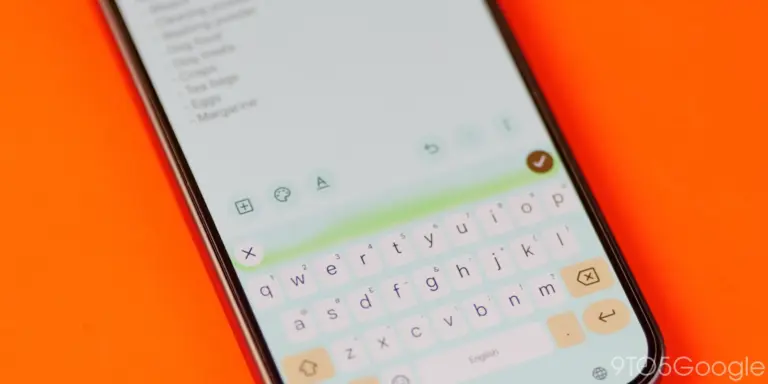
Beyond icon adjustments, the quarterly update introduces several functional changes to daily system interactions. Google expanded notification customization by adding selectable vibration rhythms linked to specific ringtones. Users can assign distinct vibration cadences to communication apps, including Phone by Google, Telegram, and Discord, allowing users to identify callers without looking at the screen.
System aesthetics also received refinements that were previewed during the Android 17 QPR1 development phase. The home screen now features a redesigned quick wallpaper selector that appears with rounded corners when pressing and holding on empty space. Additionally, Google enabled system-wide translucency blurs behind system panels and restructured the media playback carousel in the notification shade.
Status Bar Icon Comparison
| Indicator | Android 14 through Android 16 | Android 17 QPR1 Stable | Android 17 QPR2 Beta |
|---|---|---|---|
| Mute / Silent | Crossed-out speaker | Crossed-out bell | Crossed-out speaker |
| VPN Active | Outlined key | Thicker, filled key | Thicker, filled key |
| Volume Slider Toggle | Bell icon | Bell icon | Bell icon |
Rollout Availability Across Devices
Google issues Quarterly Platform Releases to deliver mid-cycle features and platform maintenance between major yearly OS milestones. While testing began during the early Android 17 QPR1 builds earlier in the year, the finished software is currently reaching consumer hardware through over-the-air packages.
The stable update is available across most supported Google Pixel handsets, including models from the Pixel 7 series onward. Pixel 11 series hardware is scheduled to receive the build as carrier and regional validations conclude over the coming weeks.