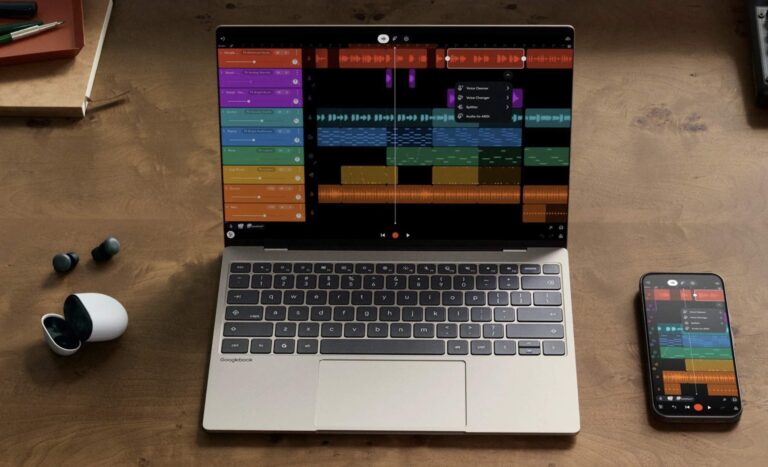
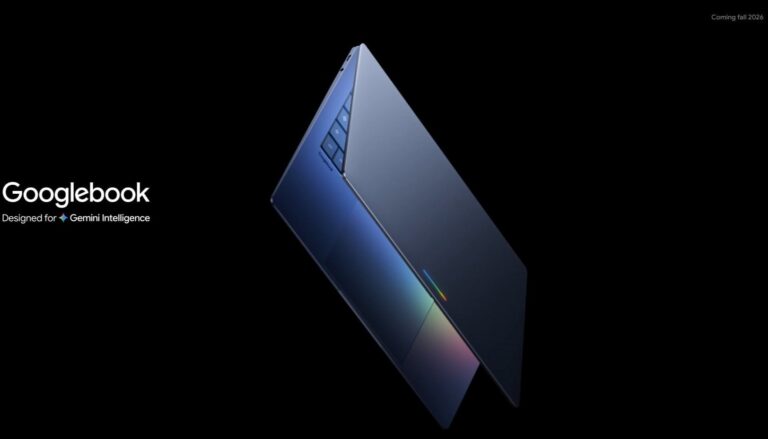
Google is reportedly developing Android-powered laptops, known as “Googlebook” devices, without publicly detailing their purpose or compelling reasons for consumer excitement.
This behind-the-scenes work to shift Google’s laptop strategy to Android raises questions among tech observers about the new hardware’s value proposition against established computing platforms.

Reports indicate Google has been working to move its laptop initiatives from the Chrome OS platform to Android. This development suggests a potential new direction for Google’s hardware ecosystem, aiming to integrate its dominant mobile operating system more deeply into computing devices. The company positions Googlebook as a new category of laptops built for “Gemini intelligence,” running on the Android technology stack and designed for tight continuity with Android phones.
However, specific details regarding features, advantages, or target audiences for these Android laptops are currently scarce. While Google highlights features like “Magic Pointer” for contextual Gemini actions and direct Android app and file access from phones, some of these capabilities are also coming to Chrome or already exist on Chrome OS.
Google has a history of developing laptop-form factor devices, most notably its Chromebook line. These devices, running on Chrome OS, have established a market presence in education and budget-friendly segments by offering a lightweight, web-centric computing experience. The potential introduction of Android-based laptops could signify a convergence strategy or a distinct product category within Google’s diverse hardware offerings, but without a clear user benefit, its adoption remains uncertain.
Meanwhile, Android is primarily recognized as the operating system for smartphones and tablets. Expanding it to laptops could present both opportunities and challenges in terms of software compatibility, user experience, and app ecosystem integration, especially concerning productivity applications traditionally found on desktop operating systems.
Furthermore, the laptop market is highly competitive, with established players and diverse offerings from Windows and macOS. For Googlebook devices to succeed, they would need to offer a compelling reason for users to choose them over existing options. Google states its strategy is to build a platform around its core strengths: Android, Gemini AI, and cross-device ecosystem integration.
Further information on Google’s plans for these “Googlebook” devices, including specifications, release timelines, or target markets, is anticipated for a fall launch with partners like Acer, ASUS, Dell, HP, and Lenovo. Industry analysts will be watching for Google to articulate a compelling reason for these new laptops to garner consumer interest and compete effectively in the existing laptop market. Consumers can explore current Google hardware at the Google Store.