




Samsung’s Galaxy S26 Ultra emerged as the world’s best-selling Android smartphone in the second quarter of 2026, demonstrating strong flagship performance despite the ongoing global memory chip crisis known as “RAMageddon.”
The “RAMageddon” refers to a severe global shortage of memory chips, primarily driven by the high demand for artificial intelligence (AI) data center infrastructure, which has diverted supply from consumer electronics and led to increased prices for devices like smartphones. This shortage is projected to continue well into 2026 and potentially extend to 2028.
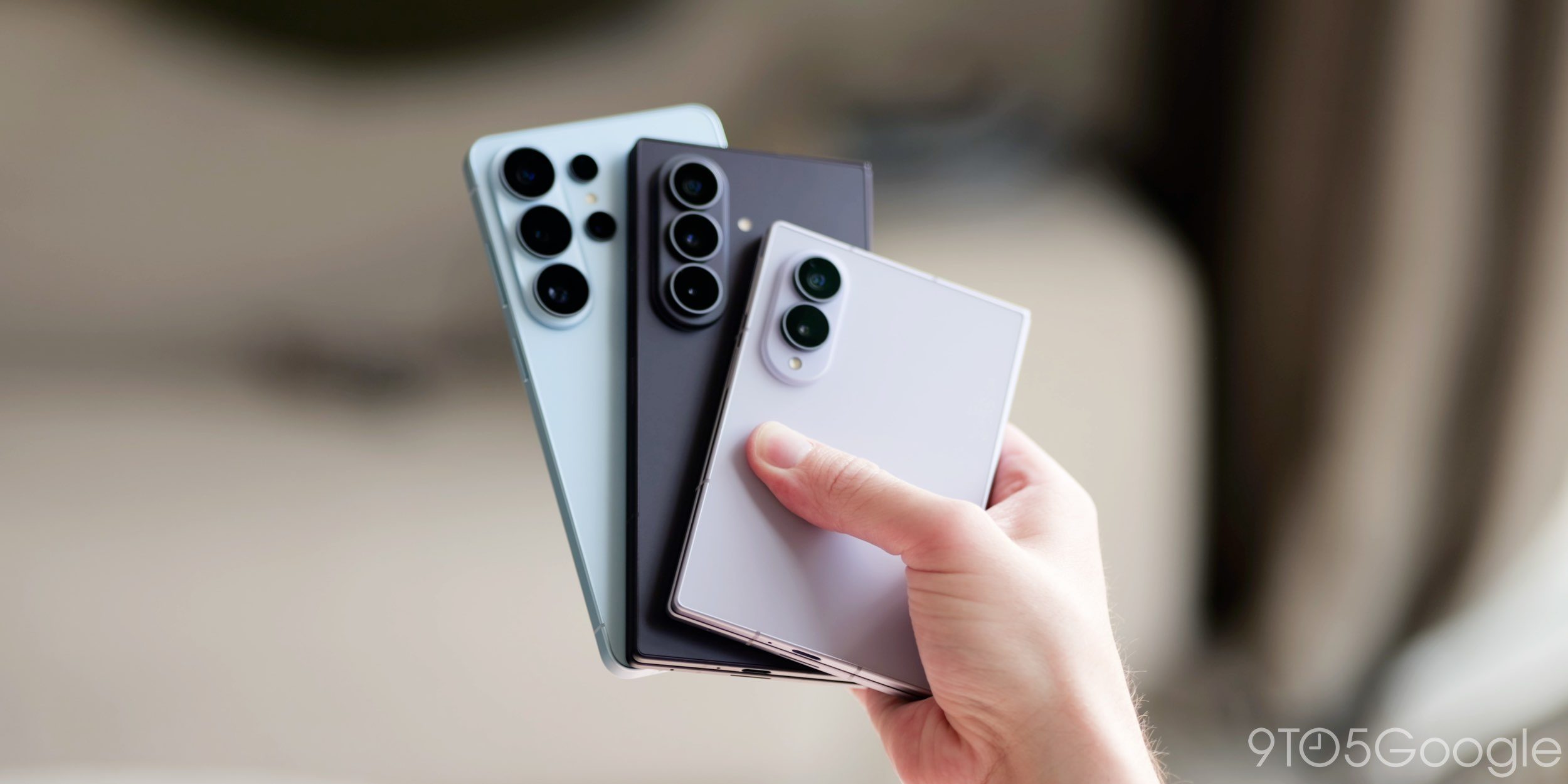
Samsung’s Flagship Performance
The Galaxy S26 Ultra secured the top spot among Android devices in global sales during Q2 2026, ranking fourth overall behind three iPhone 17 models. This marks the first time an ultra-premium Android smartphone has led Android sales during a June quarter. Samsung also accounted for five of the top ten best-selling smartphones globally, matching Apple’s representation.
Overall smartphone shipments declined 11 percent year-on-year in Q2 2026, reaching the lowest level for a second quarter since 2013, with the memory shortage cited as a primary factor. However, the contribution of the top 10 models reached a June quarter high of 26% of overall sales, as brands strategically focused on key devices to navigate the component scarcity.
Navigating RAM Shortages
Samsung has intensified its focus on flagship smartphones, enhancing promotions and allocating resources strategically to mitigate revenue declines amidst rising production costs. Other Android manufacturers, particularly Chinese OEMs, are also shifting their focus to higher-value devices and scaling back entry-level segments to manage the RAM shortages and increased expenses.
Despite the strong sales performance, the company has implemented price adjustments for the Galaxy S26 series, with higher-capacity variants in Europe and Asia seeing increases of EUR 100 to EUR 280. These adjustments reflect the higher costs associated with memory procurement. Samsung is also exploring a dual-sourcing strategy for components to minimize future cost increases.
Industry Impact
The AI industry’s demand for high-bandwidth memory (HBM) is consuming a significant portion of the global memory supply, impacting the availability and pricing of dynamic random access memory (DRAM) and NAND flash used in consumer devices. Analysts predict that prices for mainstream laptops could rise by as much as 40% in 2026, and smartphone prices are also expected to increase. The ongoing crisis is compelling manufacturers to prioritize efficiency and carefully balance performance with manufacturing costs. For more information on the Android ecosystem, visit Android’s official website.